£4.61 – £5.31Price range: £4.61 through £5.31
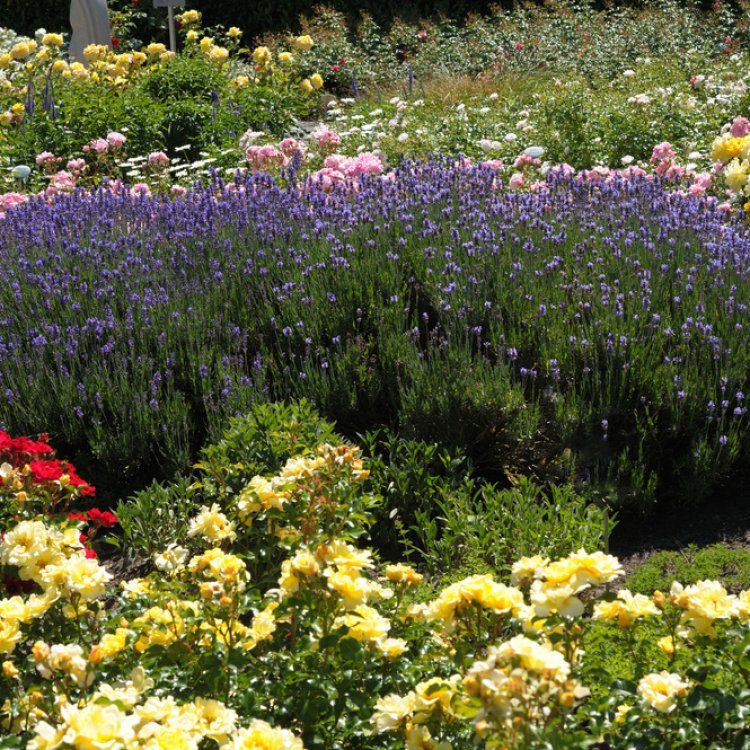
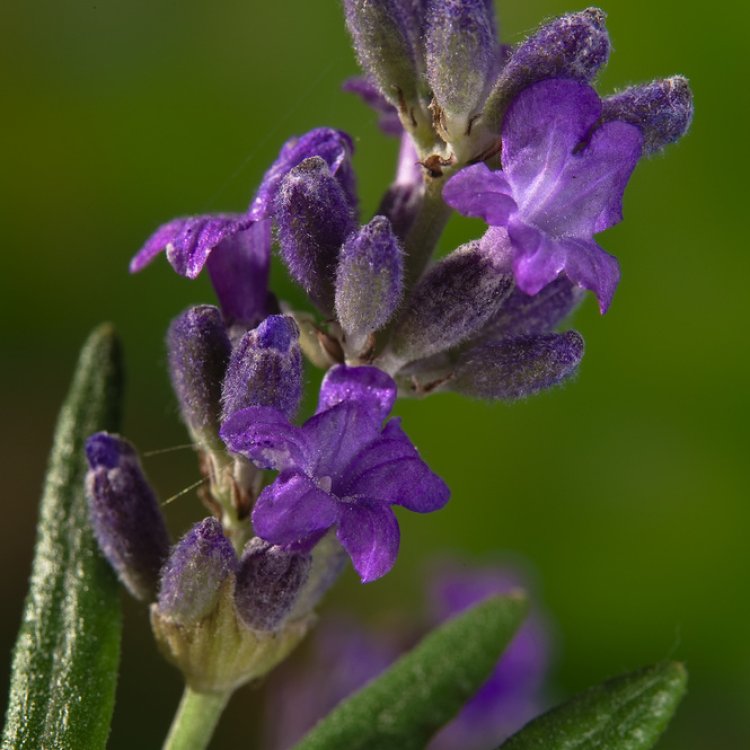
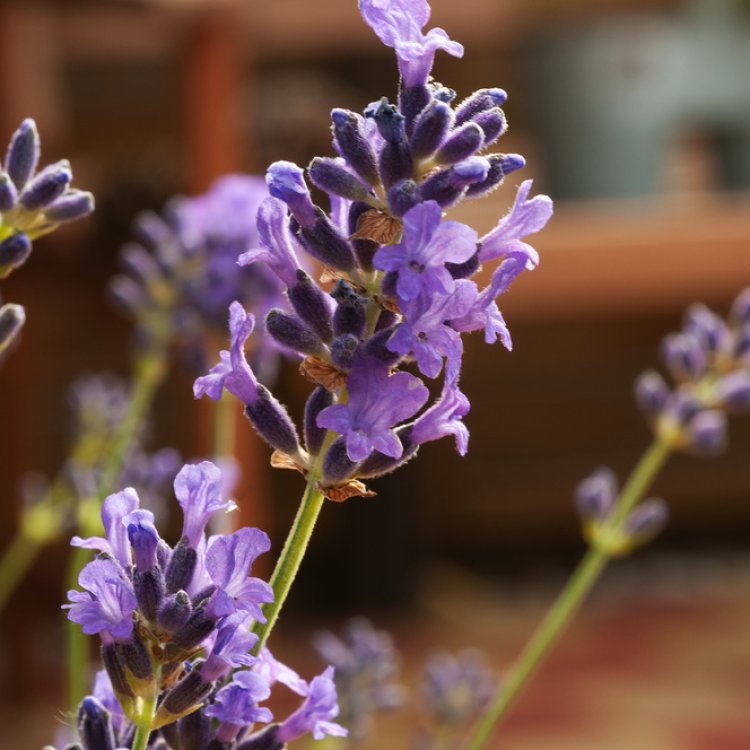
Lavandula angustifolia ‘Munstead’ is a beloved English Lavender, offering fragrant violet-blue flowers from June to August. Its compact form, evergreen foliage, and appeal to pollinators make it perfect for UK borders, edgings, or patio pots.
1000 in stock
Lavandula angustifolia ‘Munstead’ offers timeless charm. This English lavender, with vibrant purple flowers and delightful fragrance, enhances any UK garden.
Lavandula angustifolia ‘Munstead’, commonly known as English Lavender, holds a cherished place in British gardens. This exquisite plant was named after Munstead Wood in Surrey, the famed garden of Arts and Crafts pioneer Gertrude Jekyll. Its classic appeal stems from its abundant, aromatic blooms and tidy, compact form. Gardeners across the UK value ‘Munstead’ for its resilience and ability to thrive in various settings. It beautifully evokes a sense of calm and natural beauty, becoming a focal point in any landscape it graces.
The name ‘Munstead’ honours Gertrude Jekyll’s iconic garden, Munstead Wood. This renowned horticulturist selected and popularised this particular variety. Consequently, it reflects a history of thoughtful cultivation and garden design. It quickly became a favourite, due to its reliable performance and beautiful appearance. Today, it remains a staple for many garden enthusiasts seeking classic English garden charm.
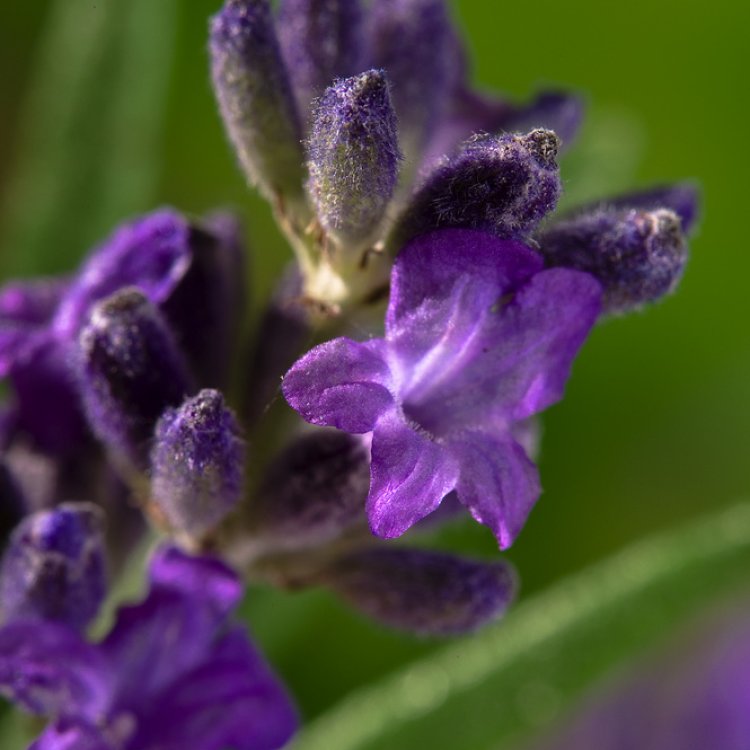
Lavandula angustifolia ‘Munstead’ produces an abundance of intensely fragrant, vivid violet-blue flower spikes. These beautiful blooms emerge from June through to August, bringing a splash of colour to the summer garden. Furthermore, its slender, silvery-grey-green foliage provides an attractive backdrop throughout the year. The leaves are evergreen, ensuring continuous interest. Moreover, rubbing the leaves releases a soothing, classic lavender scent.
This versatile plant fits many garden styles. For instance, you can use Lavandula angustifolia ‘Munstead’ to create neat, fragrant edgings along pathways or borders. It also shines in cottage garden schemes, blending well with other perennials. Furthermore, its compact size makes it ideal for rockeries or planting in containers on patios. It tolerates coastal conditions well, thus broadening its appeal for seaside gardens too.
Pruning is key to maintaining the attractive shape and vigour of this English Lavender. After the main flowering period, typically in late summer, prune spent flower stalks. This encourages a second flush of blooms, if possible, and keeps the plant tidy. Additionally, a light trim in early spring helps to maintain its compact, bushy form. Avoid cutting into old woody stems; focus on the current season’s growth.
Lavandula angustifolia ‘Munstead’ acts as a magnet for beneficial insects. Its nectar-rich flowers are particularly appealing to bees, especially bumblebees, and various species of butterflies. Planting this lavender contributes significantly to local biodiversity. Therefore, it supports the health of your garden ecosystem. You will often observe a delightful buzz of activity around your plants during flowering season, a true sign of a healthy garden.
Hardy in all of the UK and northern Europe. Suitable for exposed sites.
Lavandula angustifolia 'Munstead' is a low-maintenance plant once established. Water new plants regularly until they are settled. Established plants are drought-tolerant and need minimal watering, ensuring the soil never becomes waterlogged. Prune your lavender after its main flowering period, typically in late summer, by removing spent flower stalks and shaping the plant. A light trim in early spring can also help maintain its compact form. Avoid cutting into old, woody stems, as these may not re-sprout. This plant generally thrives without much feeding, especially in good garden soil; avoid high-nitrogen fertilisers. Ensure it is planted in a full sun position with well-drained soil for best results.