£4.30 – £5.00Price range: £4.30 through £5.00
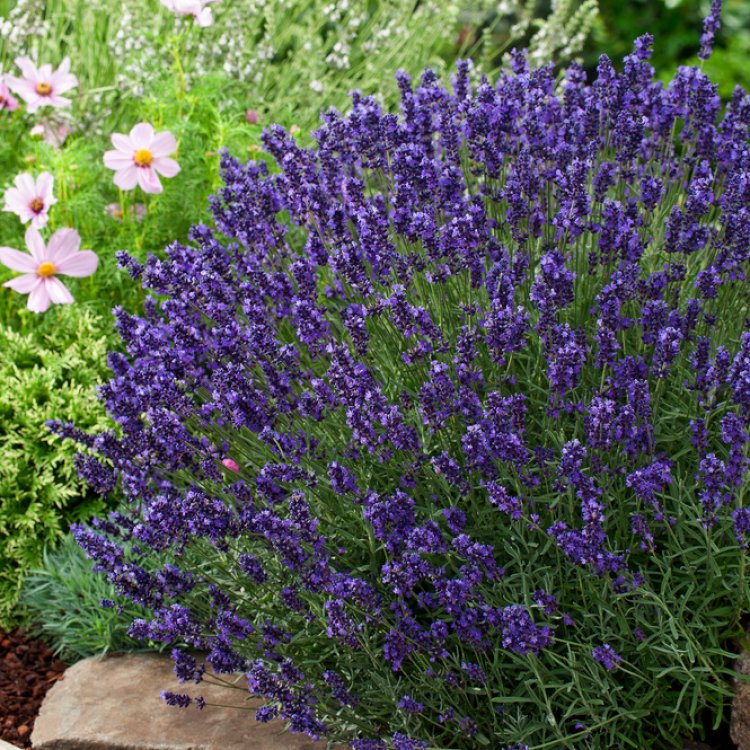
Lavandula angustifolia ‘Imperial Gem’ is a fragrant English Lavender with vibrant purple flowers and compact, bushy growth. It thrives in full sun, attracting bees and butterflies, making it ideal for borders, pots, and wildlife gardens.
101 in stock
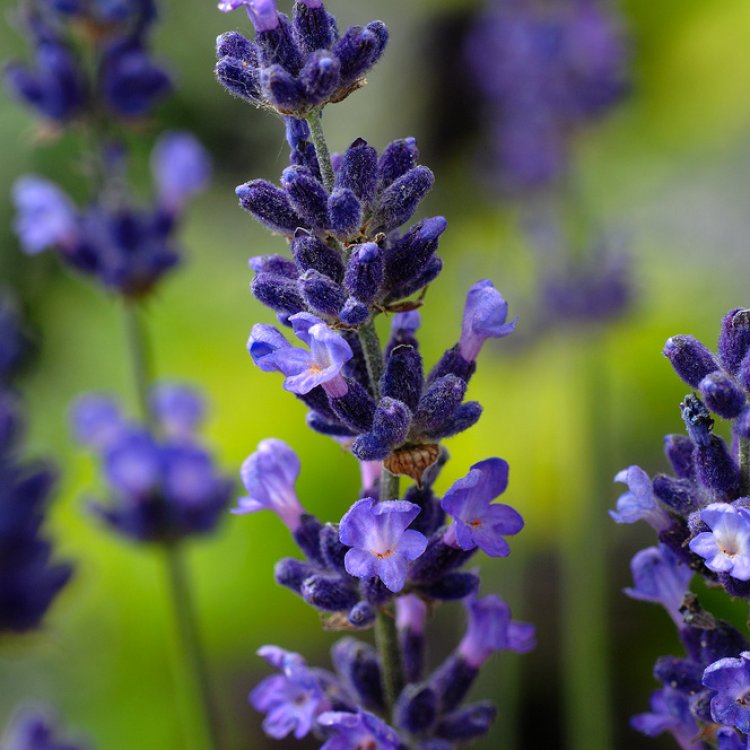
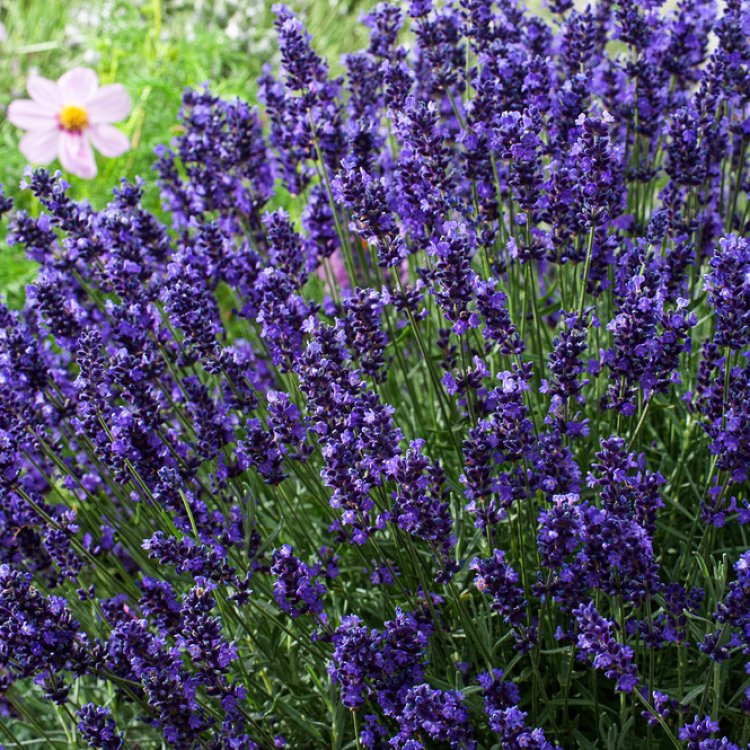
Discover the timeless charm of Lavandula angustifolia ‘Imperial Gem’, a truly exquisite English Lavender cultivar admired for its vibrant purple flowers.
This delightful perennial brings a touch of classic British garden elegance to any space. Lavandula angustifolia ‘Imperial Gem’ is cherished for its intense fragrance and robust nature. It forms a neat, compact mound of silvery-green foliage, creating a perfect backdrop for its stunning blooms. Gardeners appreciate its low maintenance requirements and enduring beauty throughout the summer months.
Features of ‘Imperial Gem’ Lavender:
Lavandula angustifolia ‘Imperial Gem’ is a superb cultivar of the beloved English Lavender, also known as Common Lavender or True Lavender. This particular variety captivates with its striking, rich violet-blue flower spikes. These beautiful blooms emerge from late spring and continue throughout the summer, filling the air with their distinctive, calming perfume. The plant typically reaches a height and spread of around 60cm. It forms a dense, rounded shape, making it perfect for many garden styles. Its narrow, linear leaves give the species name ‘angustifolia’, meaning ‘narrow-leaved’, a fitting description for its elegant, slender foliage.
The allure of this plant extends beyond its visual appeal. Indeed, its aromatic grey-green leaves release a soothing scent when brushed. Consequently, this makes Lavandula angustifolia ‘Imperial Gem’ an ideal choice for planting near pathways or seating areas. Furthermore, its abundant flowers provide a vital nectar source for a variety of pollinators. Bees and butterflies flock to these blooms eagerly, ensuring your garden thrives with life and activity. This makes it an invaluable addition for creating a wildlife-friendly environment and boosting local biodiversity.
Gardeners across the UK value Lavandula angustifolia ‘Imperial Gem’ for its remarkable versatility. You can use it to create tidy low hedges, define sunny borders, or as a charming specimen in patio pots. Moreover, it performs wonderfully in rock gardens and Mediterranean-themed landscapes due to its preference for warmth. This hardy lavender cultivar thrives in full sun and well-drained soil, tolerating poorer, stony conditions once established. To maintain its neat shape and encourage abundant flowering, gardeners often prune Lavandula angustifolia ‘Imperial Gem’ annually. This usually occurs after the main flush of flowers fades, typically in late summer, ensuring fresh growth for the following season. A light trim in spring also helps.
Hardy in all of the UK and northern Europe. Suitable for exposed sites.
Deadhead spent flower spikes to encourage further blooming. Prune annually after the main flowering period, usually in late summer, by removing about a third of the plant's growth to maintain a compact shape and prevent woodiness. A light trim in spring can also tidy the plant. Water newly planted lavender regularly until established, then it becomes drought-tolerant. Avoid overwatering, especially in winter, as this can lead to root rot. Feed sparingly, if at all, with a balanced fertiliser in spring.