£4.61 – £5.31Price range: £4.61 through £5.31
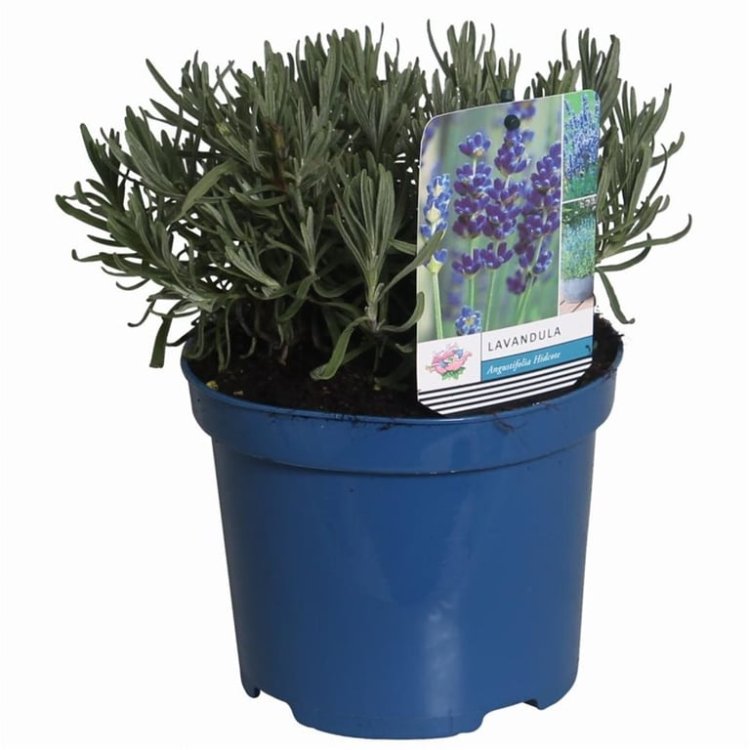
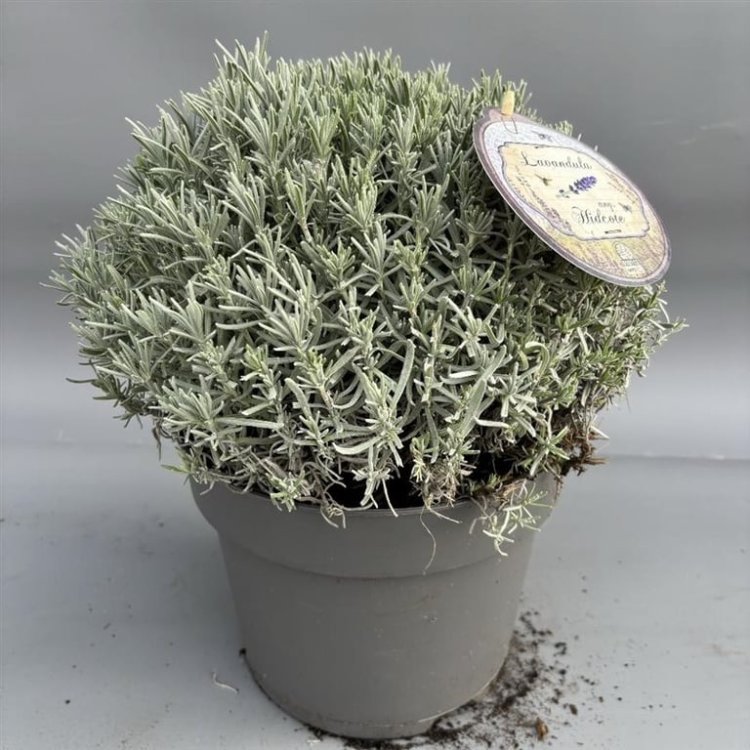
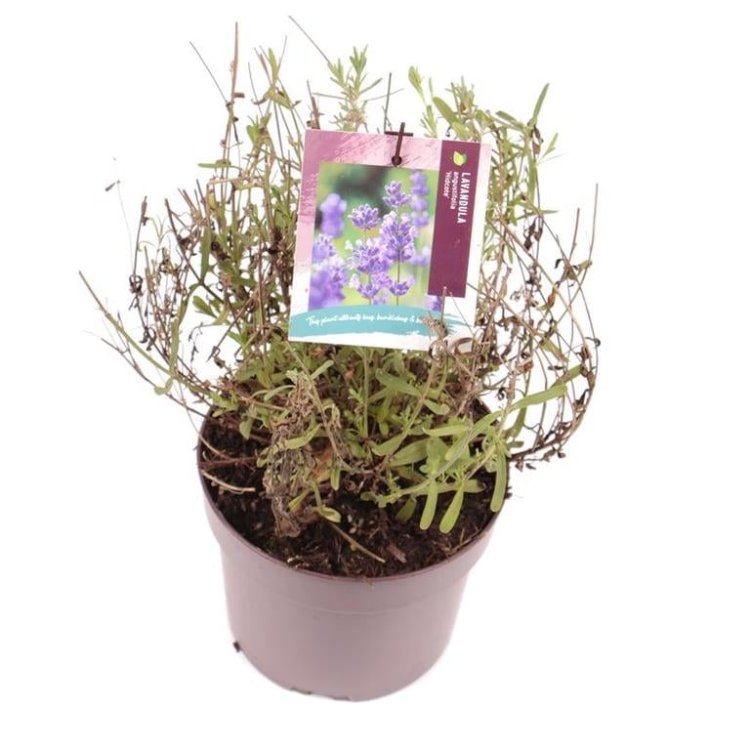
Lavandula angustifolia ‘Hidcote’ is a classic English Lavender, prized for its fragrant deep purple flowers. This compact sub-shrub brings enduring beauty and attracts pollinators, making it perfect for borders, hedging, or pots in UK gardens.
300 in stock
Discover Lavandula angustifolia ‘Hidcote’, a classic English Lavender cherished for its deep purple flowers and delightful aroma, bringing timeless charm to any UK garden.
Lavandula angustifolia ‘Hidcote’ is a beloved, enduring favourite among UK gardeners. This exceptional cultivar of English Lavender provides a vibrant splash of deep violet-blue in summer. Its compact habit and strong, sweet scent make it a versatile plant. Gardeners often choose it for its consistent performance and ability to attract beneficial wildlife. Furthermore, ‘Hidcote’ is remarkably easy to grow, thriving in a range of conditions.
Lavandula angustifolia ‘Hidcote’ is one of the most popular lavender cultivars grown today. This particular variety earned its name from Hidcote Manor Garden in Gloucestershire, England, where it was first selected. It is a form of English Lavender, even though its native range includes the Mediterranean. People often refer to it as ‘True Lavender’ due to its widely recognised aromatic and medicinal properties.
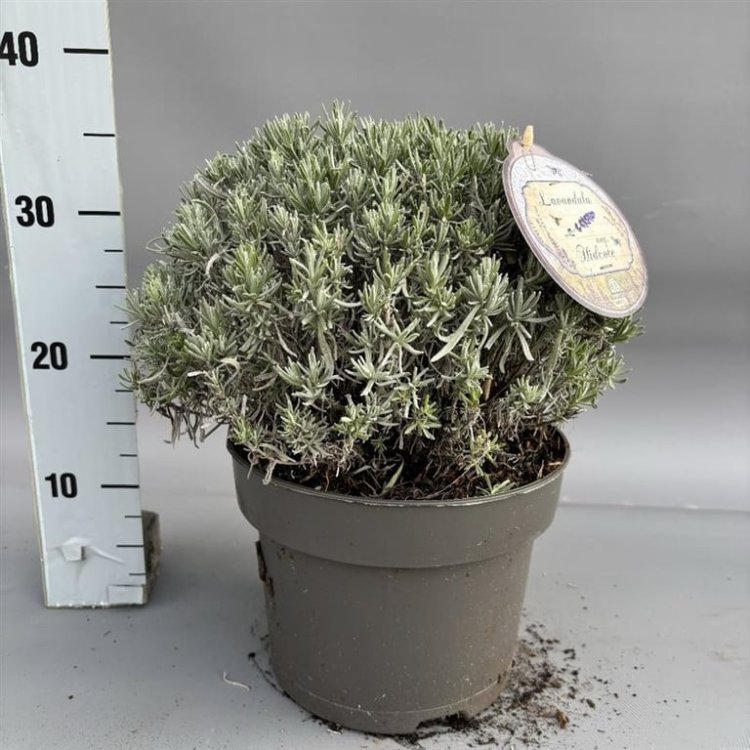
This plant forms a neat, bushy mound, typically reaching heights and spreads of around 50-60 centimetres. Its foliage is slender, silvery-green, and aromatic, providing year-round interest. Consequently, ‘Hidcote’ remains attractive even when not in bloom.
During the summer months, Lavandula angustifolia ‘Hidcote’ produces an abundance of striking, deep purple flower spikes. These flowers sit above the foliage on short stems. The rich colour and strong, sweet fragrance are unmistakable. Indeed, the scent alone makes it a must-have for sensory gardens. Many people enjoy using its dried flowers in potpourri or as culinary ingredients.
Gardeners value ‘Hidcote’ for its adaptability and visual appeal. It excels as low hedging, defining paths or garden rooms with elegance. Moreover, it works beautifully in mixed borders, rock gardens, and containers. The plant’s dense habit means it makes an effective ground cover when planted in drifts. Bees and butterflies flock to the nectar-rich flowers. Thus, it significantly supports local pollinator populations.
Regular pruning helps maintain the plant’s shape and vigour. People usually prune ‘Hidcote’ after its main flush of flowers fades. This encourages a second, smaller bloom and prevents the plant from becoming woody. A light trim in spring can also promote new growth. This simple care routine ensures a healthy and productive display for many years.
Hardy in all of the UK and northern Europe. Suitable for exposed sites.
Plant Lavandula angustifolia 'Hidcote' in well-drained soil in a sunny spot. Water regularly until established, then it becomes drought tolerant. Prune annually after flowering by cutting back faded flower stalks and about a third of the current year's growth to maintain a compact, bushy shape and encourage new blooms. Avoid cutting into old, woody stems too harshly. A light trim in spring can also tidy the plant and promote fresh foliage. No significant feeding is usually required; lavender thrives in poorer soils.