£4.59 – £5.31Price range: £4.59 through £5.31
Lavandula angustifolia ‘Dwarf Blue’ offers captivating fragrance and vibrant violet-blue blooms. This compact English Lavender is ideal for UK borders, containers, and attracting pollinators, providing year-round beauty.
1500 in stock
Immerse your UK garden in the timeless charm of Lavandula angustifolia ‘Dwarf Blue’, a compact lavender renowned for its exquisite fragrance and vibrant violet-blue blooms.
For centuries, lavender has been a beloved staple in British gardens, cherished for its delightful aroma and striking beauty. Lavandula angustifolia ‘Dwarf Blue’, also known as English Lavender or Common Lavender, is a superb, compact cultivar that captures all these classic qualities. It is a firm favourite amongst gardeners, offering a neat, bushy habit and a profusion of flowers. This cultivar excels in providing a vibrant splash of colour and an enchanting perfume throughout the summer months, making it an indispensable addition to any outdoor space.
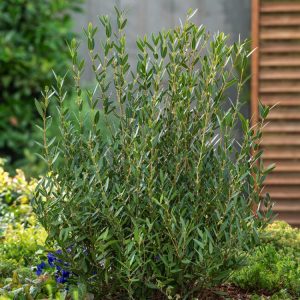
Lavandula angustifolia ‘Dwarf Blue’ is a distinguished cultivar of the renowned English Lavender, celebrated for its particularly compact growth. The ‘Dwarf Blue’ name aptly describes its smaller stature compared to other varieties and its characteristic vivid blue-purple flowers. This plant is a fantastic choice for gardeners seeking the traditional beauty of lavender without the larger size, ensuring it fits neatly into various garden designs across the UK. It naturally forms a dense, rounded mound.
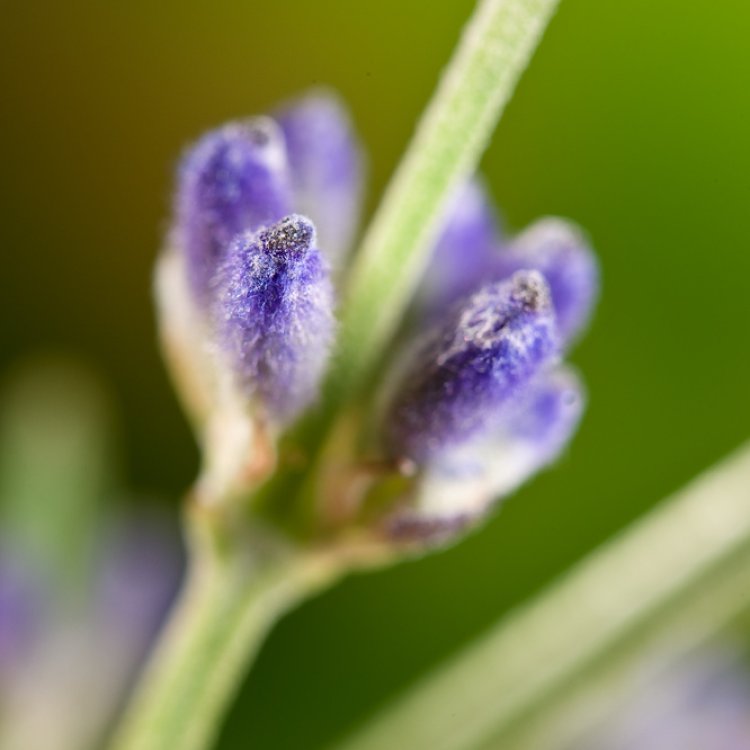
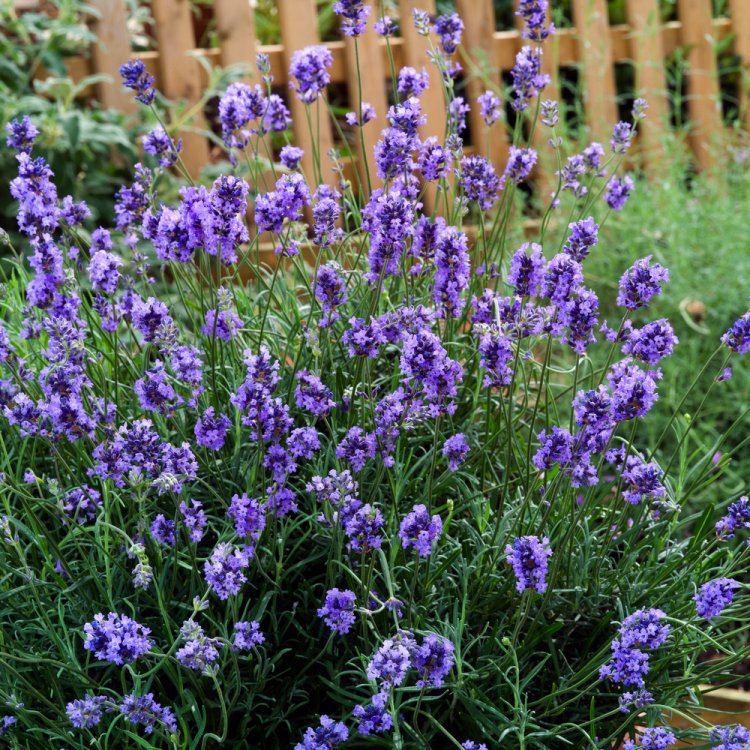
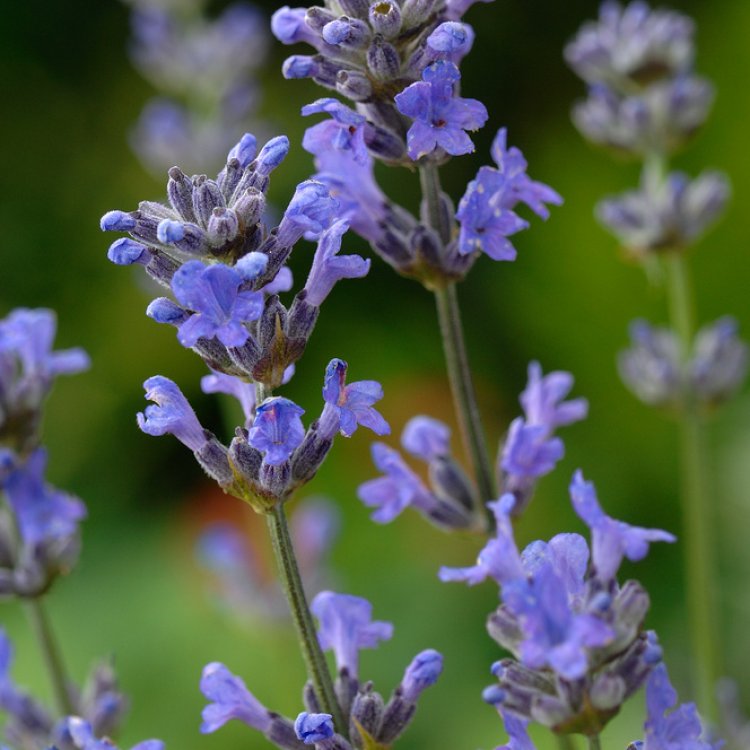
During the summer, Lavandula angustifolia ‘Dwarf Blue’ bursts into a magnificent display of fragrant, deep violet-blue flower spikes. These blooms are not only visually appealing but also release an intoxicating aroma that will drift delightfully through your garden on a warm day. The slender, grey-green foliage remains attractive throughout the year, providing evergreen interest. Furthermore, the abundant nectar-rich flowers are an absolute magnet for local wildlife. They notably attract bees and butterflies, thereby supporting local biodiversity.
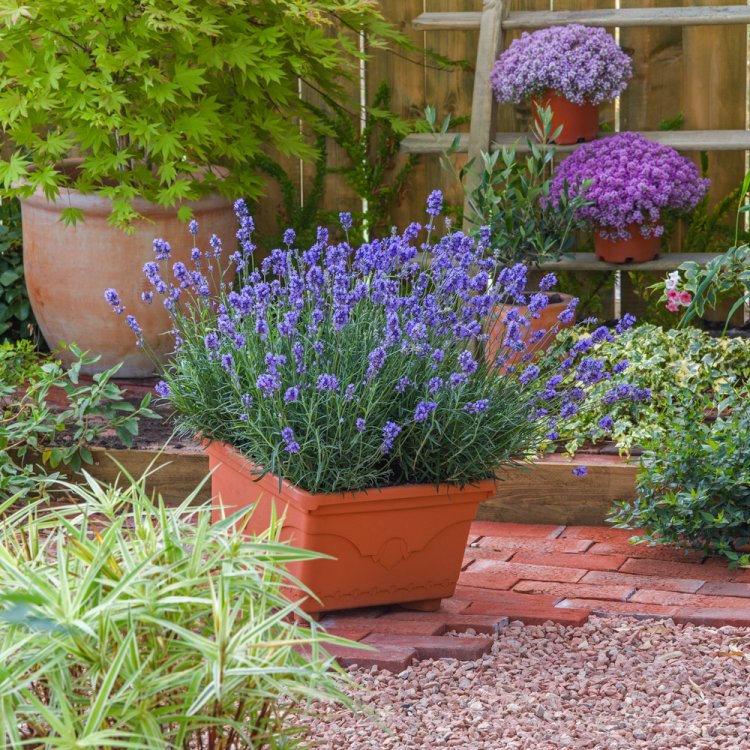
This versatile plant offers numerous possibilities for enhancing your outdoor spaces. Its compact form makes Lavandula angustifolia ‘Dwarf Blue’ perfect for creating neat, fragrant low hedges along pathways. It also works well to delineate borders effectively. Furthermore, it thrives exceptionally well in containers, bringing its charm to patios, balconies, and smaller garden areas.
Many gardeners also use it effectively in rockeries or as an edging plant. Its structured shape and colour provide strong visual appeal in these settings. This plant truly elevates any garden.
To ensure your Lavandula angustifolia ‘Dwarf Blue’ maintains its desirable compact shape and encourages a generous subsequent flush of blooms, regular pruning is beneficial. This practice helps to prevent the plant from becoming leggy and woody, therefore keeping it looking its best year after year. A simple trim after the main flowering period will promote healthier growth and ensure a continuous vibrant presence in your garden.
Hardy across most of the UK except particularly exposed or cold regions.
Water regularly during its first season to establish roots. Once established, Lavandula angustifolia 'Dwarf Blue' is highly drought-tolerant and requires minimal watering, especially in UK climates where rainfall is generally sufficient. Avoid overwatering, which can lead to root rot.
This plant prefers lean soil and generally does not require much feeding. If your soil is particularly poor, a light application of a balanced, slow-release fertiliser in early spring can be beneficial, but typically, it thrives without supplementary nutrients.
Pruning is crucial for maintaining a compact shape and encouraging prolific flowering. Prune after the main flowering flush in late summer or early autumn, cutting back about a third of the plant's height, but avoid cutting into old, woody stems that have no foliage. A lighter tidy-up can also be done in spring to remove any winter damage or straggly growth.
Ensure excellent drainage during winter months, as waterlogged soil is the primary cause of winter losses for lavender. In very exposed areas or during exceptionally harsh frosts, a light mulch around the base may offer some protection, though 'Dwarf Blue' is generally hardy.
Lavandula angustifolia 'Dwarf Blue' is typically robust and resistant to most common pests and diseases. Ensuring good air circulation and proper drainage will further prevent issues.