£6.41 – £8.77Price range: £6.41 through £8.77
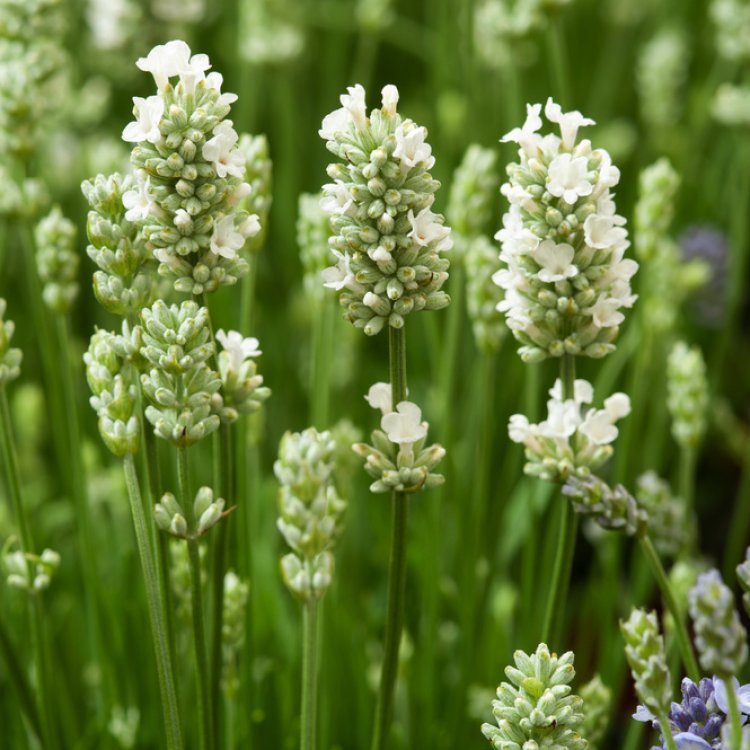
Lavandula angustifolia ‘Alba’ is a beautiful white English Lavender. It offers fragrant pure white flower spikes and aromatic grey-green foliage. This compact plant thrives in UK gardens, attracting bees and butterflies.
900 in stock
Lavandula angustifolia ‘Alba’ is a superb white English Lavender, bringing elegance and a timeless, calming fragrance to any UK garden.
This exquisite cultivar, known as Lavandula angustifolia ‘Alba’, offers a classic touch with its pure white flower spikes. It is a prized choice for its aromatic grey-green foliage and neat, compact form. Gardeners across the UK value this plant for its versatility and charming presence throughout the summer months. It truly enhances various garden styles, from formal borders to informal cottage gardens, and provides a delightful sensory experience.
The name Lavandula originates from the Latin word ‘lavare’, meaning to wash, reflecting its historical use in perfumery and bathing. Angustifolia means ‘narrow-leaved’, describing its slender foliage. Furthermore, ‘Alba’ is Latin for white, signifying the distinctive colour of its blooms. This plant is a member of the mint family, Lamiaceae, and comes from the Mediterranean region.
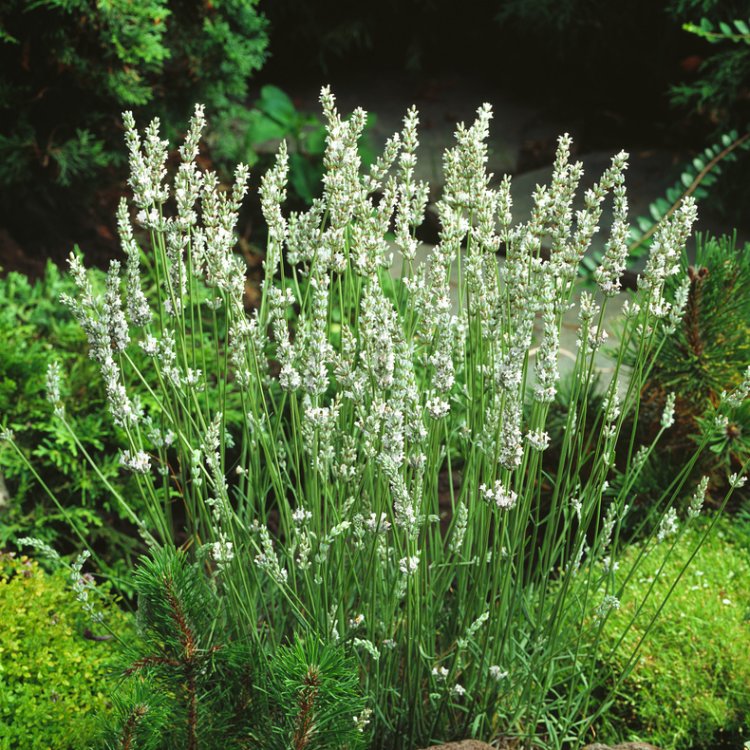
Lavandula angustifolia ‘Alba’ showcases attractive slender, grey-green leaves. They remain evergreen, providing structure and colour even in winter. These leaves are intensely aromatic, releasing a soothing fragrance when brushed or warmed by the sun. Therefore, this plant makes a wonderful addition near paths or seating areas.
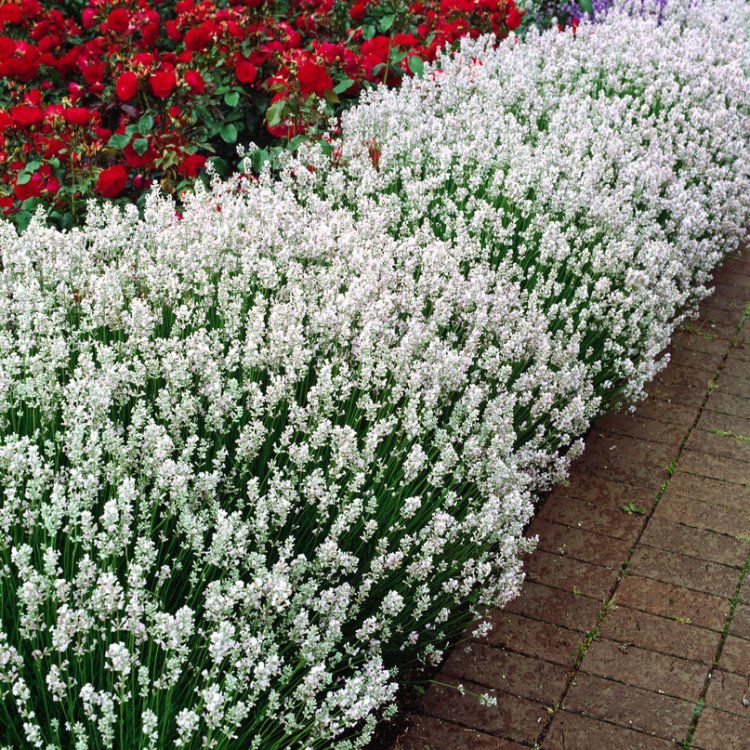
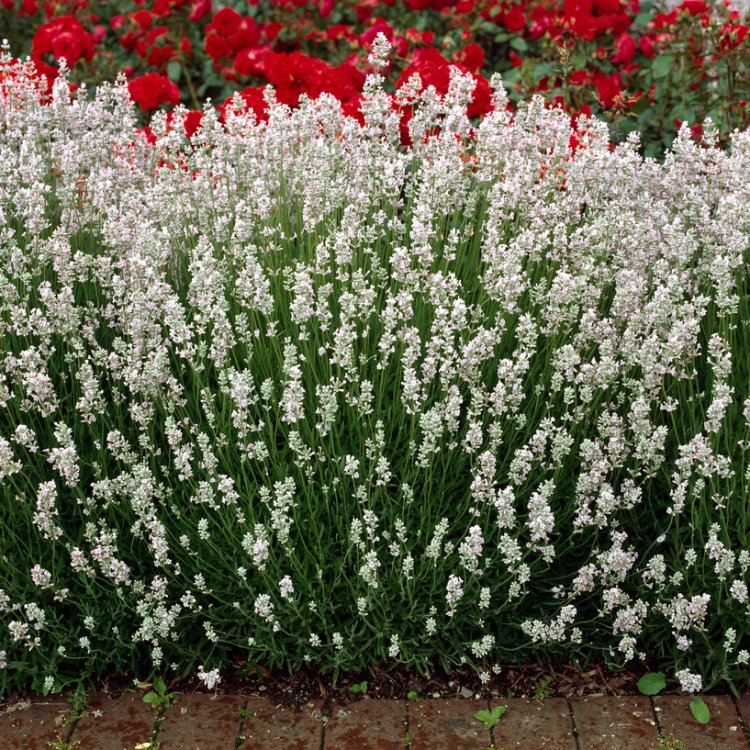
In summer, usually from June through to August, the plant produces an abundance of pure white flower spikes. These delicate blooms are held proudly on upright stems, creating a beautiful contrast against the silvery foliage. These flowers look striking when planted in rows or drifts. They also make excellent cut flowers for fresh bouquets or for drying.
The compact nature of this white English Lavender makes it perfect for many garden roles. You can use it to create formal or informal hedging. It also excels as an edging plant along paths or borders, clearly defining garden beds. It suits cottage gardens, Mediterranean-themed landscapes, and rock gardens very well. Its bright, airy flowers help to lighten up any area. Also, it grows happily in pots, making it perfect for patios, balconies, or smaller urban spaces.
Lavandula angustifolia ‘Alba’ is incredibly wildlife friendly. Its nectar-rich white flowers are a strong magnet for beneficial insects. Bees and butterflies flock to the plant, ensuring your garden thrives with activity. This contributes greatly to local ecosystems, supporting pollinator populations. Regular deadheading and a light prune after its main flowering period are beneficial. This helps to maintain its neat shape and encourages more blooms the following year, ensuring your plant stays vigorous and healthy.
Hardy across most of the UK except particularly exposed or cold regions.
Plant Lavandula angustifolia 'Alba' in a sunny position with well-drained soil, avoiding waterlogged conditions. Water regularly until established, then it becomes drought-tolerant. Prune lightly after the main flush of flowers in late summer to remove spent blooms and shape the plant. An annual harder prune in spring (March/April) helps maintain a compact, bushy habit and encourages vigorous new growth. Avoid cutting into old wood where possible. No need for heavy feeding; a little compost can be added to poor soils.