£4.18 – £4.90Price range: £4.18 through £4.90
Discover Lavandula angustifolia, the classic English Lavender, with its highly fragrant purple flowers. This beautiful evergreen shrub attracts bees and butterflies, thriving in full sun. It is perfect for borders, hedging, or pots, bringing a touch of Mediterranean charm and a calming scent to your UK garden.
1251 in stock
Discover the timeless beauty and fragrant charm of Lavandula angustifolia, also known as English Lavender, a beloved shrub for any British garden.
Lavandula angustifolia offers delightful purple blooms and an iconic scent. This classic plant brings a touch of the Mediterranean to UK gardens. It thrives in sunny spots, proving resilient and beautiful. Gardeners prize it for its ease of care and its ability to attract vital pollinators. This versatile lavender enhances borders, paths, and containers, creating a serene atmosphere.
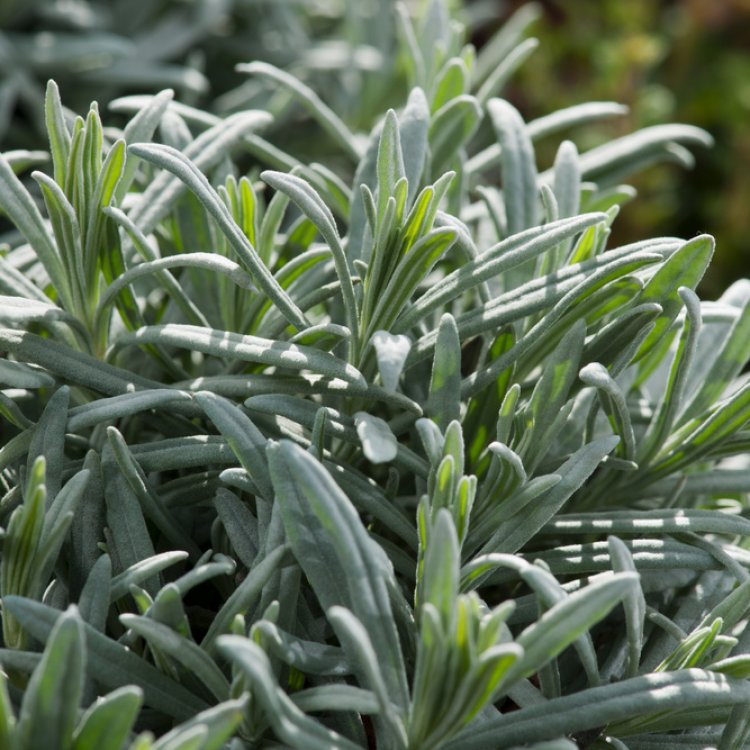
Lavandula angustifolia, quite simply meaning “narrow-leaved lavender”, is a species native to the Mediterranean region. It encompasses parts of Southern Europe. Its botanical name aptly describes its slender, often grey-green leaves. The plant has been cherished for centuries, consequently becoming a staple in many garden styles.
This wonderful plant develops neat, upright mounds of aromatic, grey-green foliage. This provides year-round visual appeal due to its evergreen nature. The soft leaves release a gentle, comforting scent when brushed. Consequently, it adds sensory delight to pathways. Its compact form makes it an excellent choice for structured planting.
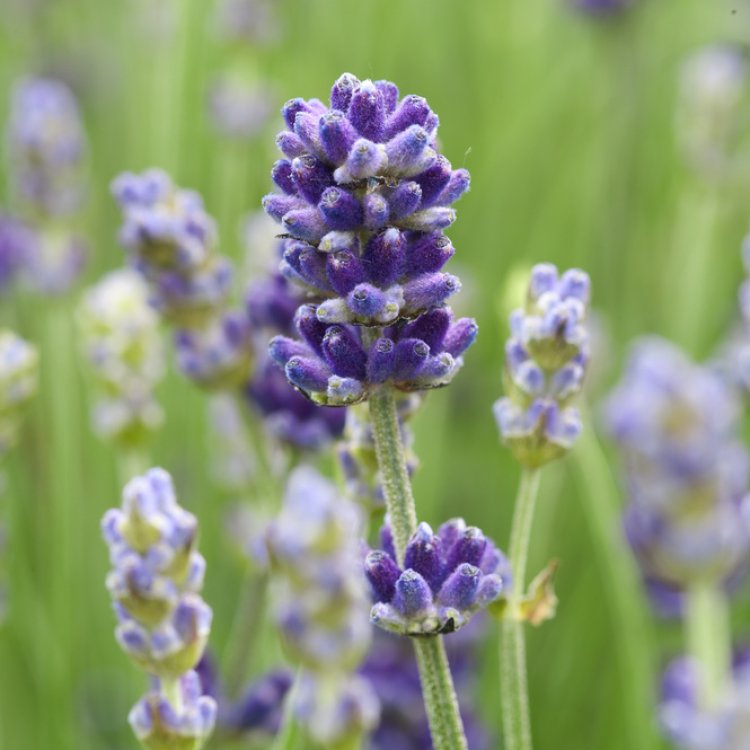
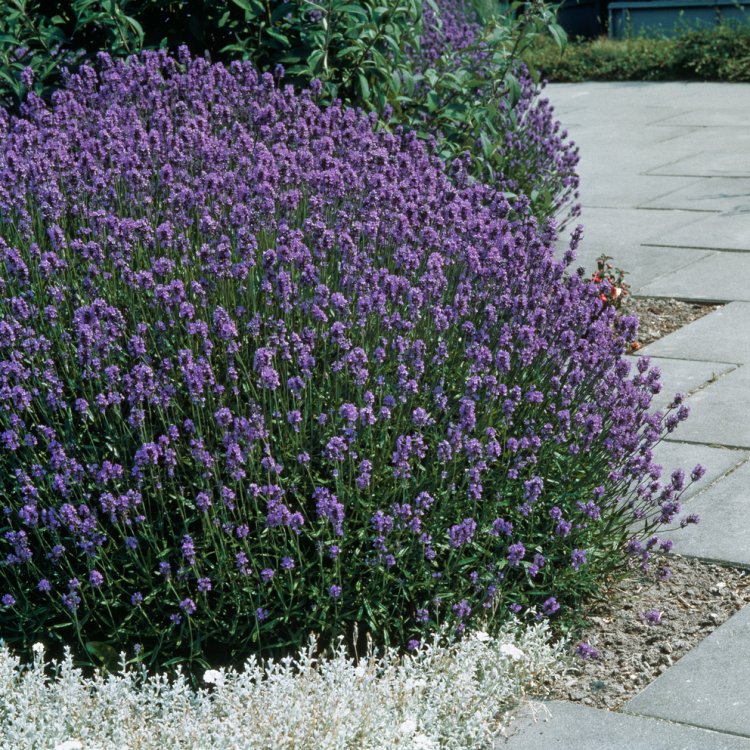
From early summer onwards, Lavandula angustifolia proudly produces slender spikes of densely packed, deep violet-purple flowers. These vibrant blooms stand tall above the foliage, creating a stunning display. They emit the classic, soothing lavender fragrance. This renowned scent is often linked with relaxation. The flowers offer a rich source of nectar for numerous pollinators.
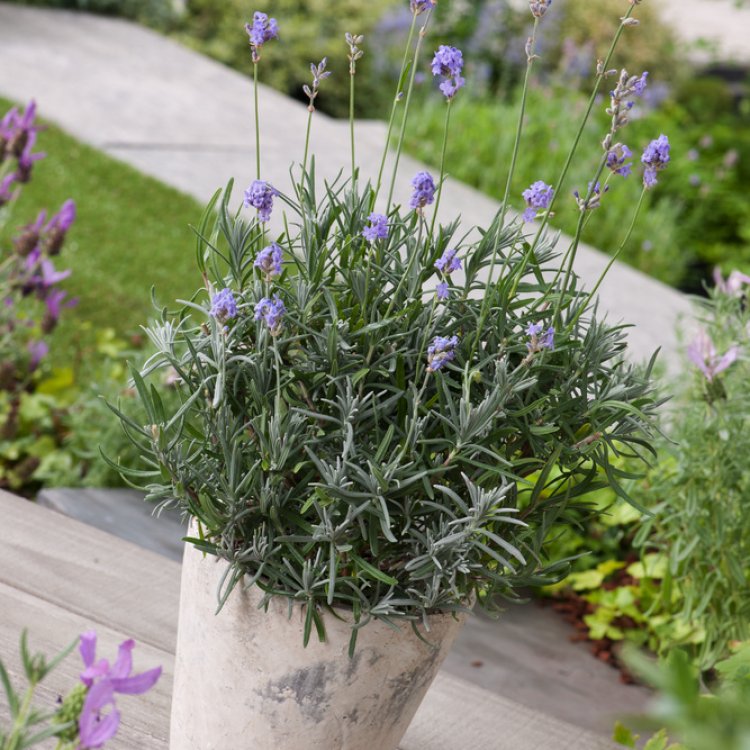
English Lavender is perfect for creating elegant low hedges along pathways. It also forms attractive, fragrant borders around flowerbeds. Furthermore, it excels in traditional cottage gardens and sun-drenched rockeries. You can plant it in pots for a moveable burst of colour and fragrance on patios. Its uniform growth habit readily suits formal garden designs.
Regular pruning helps maintain the plant’s desirable shape and encourages abundant flowering. Typically, a light trim after the main bloom period tidies the plant. A harder prune in spring (March/April) keeps the plant compact. This prevents it from becoming woody or leggy. Therefore, your lavender remains vibrant and full of life.
The delightful flowers of Lavandula angustifolia act as a powerful magnet for local wildlife. Bees, hoverflies, and a variety of butterflies flock to this plant, actively seeking its nectar. This makes it an invaluable addition to any wildlife-friendly garden design. The presence of this plant strongly supports local ecosystems. Ultimately, it encourages biodiversity in your outdoor space.
Hardy in all of the UK and northern Europe. Suitable for exposed sites.
Plant Lavandula angustifolia in full sun and well-drained soil. Water regularly during its first year to establish strong roots, then it becomes very drought-tolerant. Prune lightly after the main flowering period in late summer to remove spent flower spikes and tidy its shape. Perform a harder prune in spring (March/April) by cutting back about one-third of the plant's height, ensuring new growth emerges from woody stems. Avoid cutting into old, woody stems that have no new growth, as this can harm the plant. Feeding is generally not required in good soil, but a light application of a balanced fertiliser in spring can encourage vigour. Ensure good air circulation around plants to prevent fungal issues.