£3.26 – £3.96Price range: £3.26 through £3.96
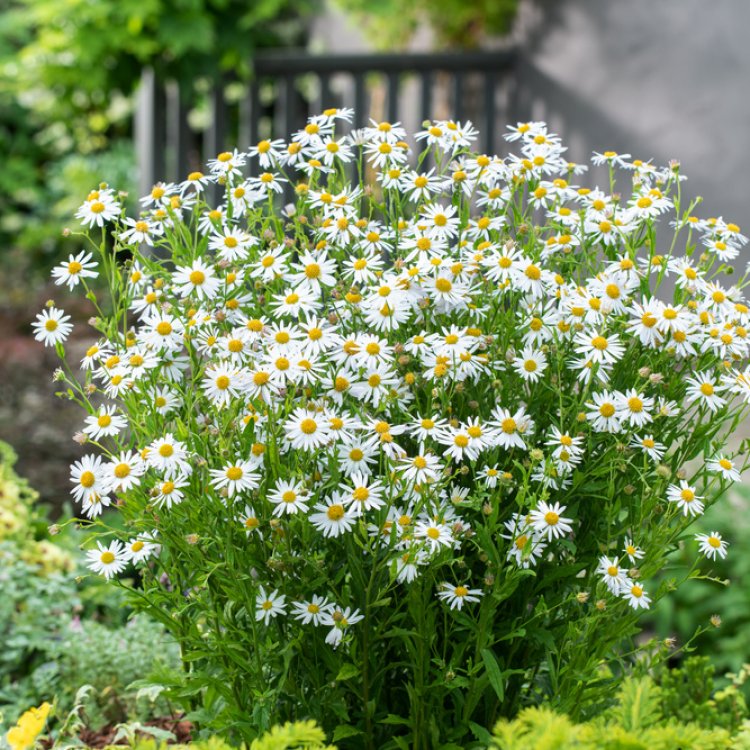
Kalimeris incisa ‘Alba’, the Japanese Aster, offers pure white daisy-like flowers with yellow centres from July to October. This hardy perennial brightens borders and attracts vital pollinators like bees and butterflies. Enjoy its easy charm.
199 in stock
Discover the delicate charm of Kalimeris incisa ‘Alba’, a delightful perennial offering a profusion of pure white, daisy-like blooms throughout the summer.
Kalimeris incisa ‘Alba’ adds enduring elegance to any UK garden. This robust herbaceous perennial is often known as Japanese Aster. It graces borders and beds with abundant white flowers. Gardeners value its easy-going nature. Its long flowering season makes it a superb choice for sustained summer interest. The bright, star-like blooms truly illuminate garden spaces, offering a gentle yet captivating presence from July onwards.
Kalimeris incisa ‘Alba’ emerges as a beacon of understated beauty. This perennial belongs to the Asteraceae family. This family also includes familiar daisies and sunflowers. The genus name, Kalimeris, originates from Greek words. “Kallos” means beauty, and “meris” means a part. This aptly describes its beautiful, distinct flower components.
The specific epithet “incisa” refers to its deeply cut, or incised, leaves. These leaves lend the foliage an attractive, delicate texture. Furthermore, ‘Alba’ signifies the pure white colour of its charming blooms. This cultivar is truly a lovely addition to any British garden seeking subtle grace.
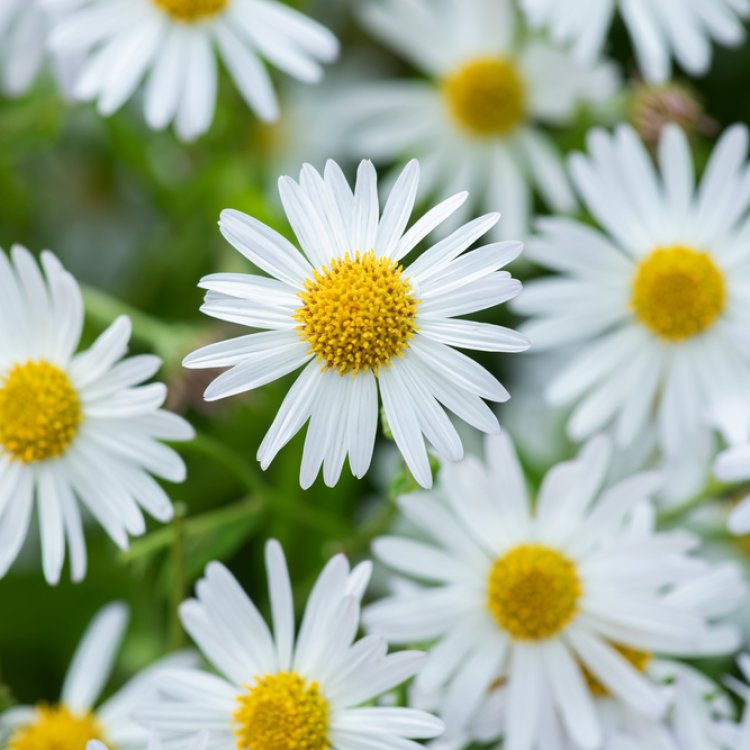
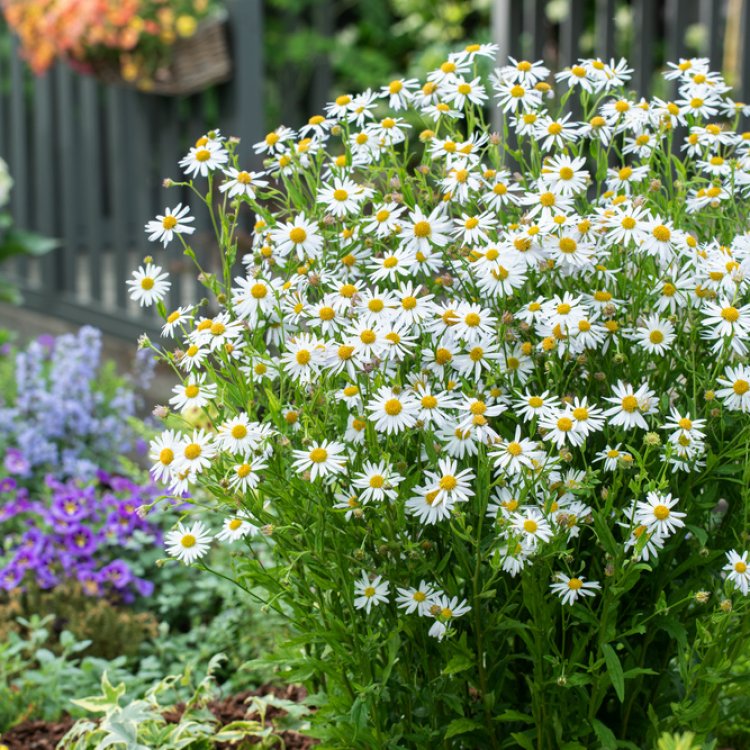
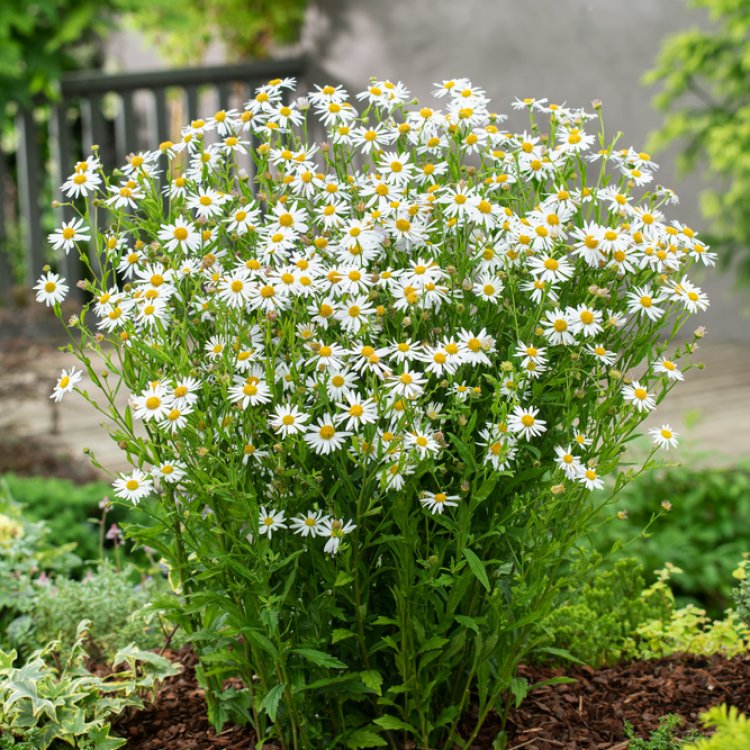
From mid-summer through to early autumn, Kalimeris incisa ‘Alba’ produces a spectacular display. It boasts dainty, single white flowers. Each bloom features a vivid yellow centre. This creates a classic daisy-like appearance that brightens garden spaces. These charming flowers appear in great abundance. They cover the plant with a luminous, airy quality.
Below the blossoms, deeply lobed, mid-green leaves form a tidy, bushy mound. This fresh foliage provides an excellent backdrop for the pristine white petals. It significantly enhances their visual impact. The plant diligently maintains an attractive shape throughout the entire growing season.
Kalimeris incisa ‘Alba’ performs wonderfully across various garden settings. It makes a superb choice for the middle or front of mixed perennial borders. Here, its clean white flowers provide excellent contrast to more vibrant hues. Gardeners also use it effectively in cottage gardens. It suits informal planting schemes, or as a softening edge along pathways.
Moreover, this plant offers significant benefits for local wildlife. Its accessible, open flowers are a clear magnet for buzzing bees and colourful butterflies. They frequently visit the blooms, diligently gathering vital nectar and pollen. Thus, they actively support essential pollinator populations in your garden. Gardeners commonly cut back spent flower stems after blooming to encourage further vigour.
Hardy in all of the UK and northern Europe. Suitable for exposed sites.
Kalimeris incisa 'Alba' is a low-maintenance perennial. Water regularly during dry spells, especially in its first year, to establish a strong root system. Deadhead spent flowers throughout the summer to encourage further blooming and maintain a tidy appearance. In late autumn or early spring, cut back all the old foliage to ground level before new growth appears. This keeps the plant healthy and vigorous. An annual mulch of well-rotted compost around the base in spring will provide nutrients and help retain soil moisture.