£17.95 – £20.30Price range: £17.95 through £20.30
Juglans regia, the Common Walnut, is a majestic deciduous tree known for its delicious nuts. It forms an impressive specimen, offering shade and supporting wildlife in larger UK gardens. A truly rewarding and long-lasting addition.
350 in stock
Discover Juglans regia, the esteemed Common Walnut tree, a magnificent and enduring specimen that offers both beauty and a valuable harvest to UK gardens.
Known widely as the English Walnut or Persian Walnut, Juglans regia is a stately deciduous tree. Gardeners cherish it for its impressive stature and delicious nuts. Originating from central Asia, this tree has been cultivated across Europe for centuries. It is now a familiar and beloved sight in British landscapes. Its rich history and generous bounty make it a compelling choice for larger gardens and estates. Here, it can truly thrive and become a long-standing feature.
The scientific name, Juglans regia, means “royal nut of Jupiter.” This name highlights its ancient appreciation and esteemed status. This magnificent tree develops a strong, sturdy trunk. It forms an expansive, often domed canopy. This canopy casts welcome shade on warm summer days. Its bark becomes deeply furrowed as the tree ages, adding distinct character. The large, pinnate leaves emerge in spring. They comprise several oval leaflets. These leaves show a fresh green hue. They turn a lovely golden-yellow before falling in autumn. When bruised, these leaves release a pleasant, aromatic scent.
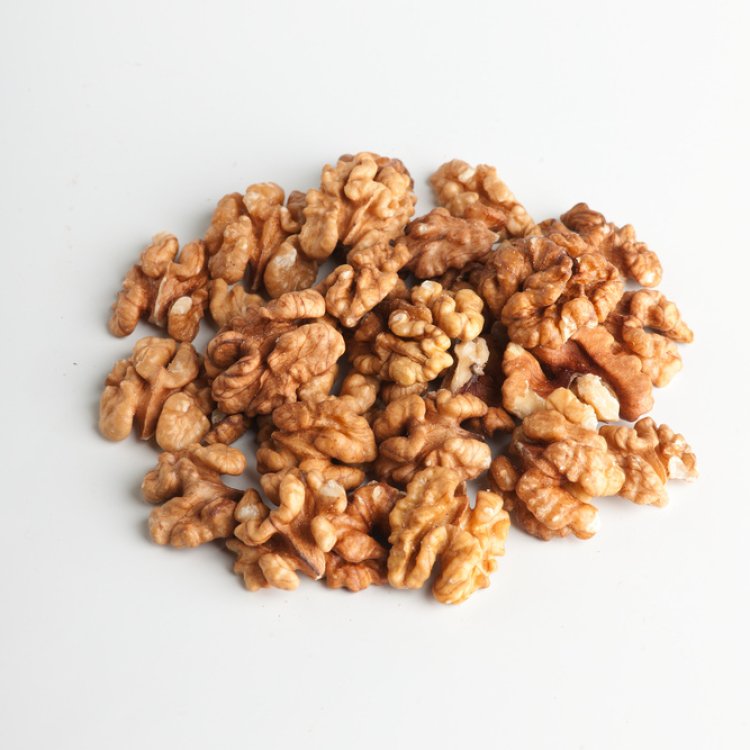
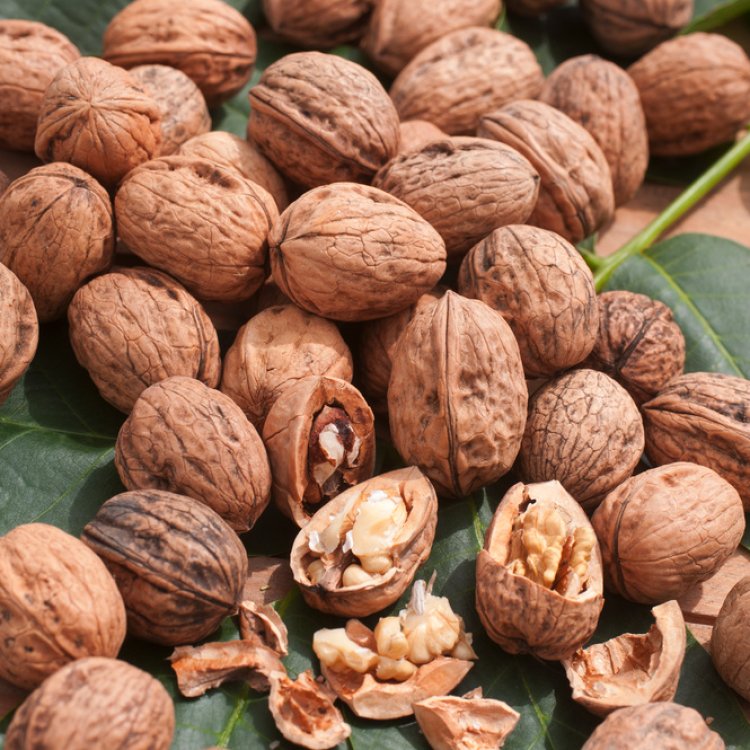
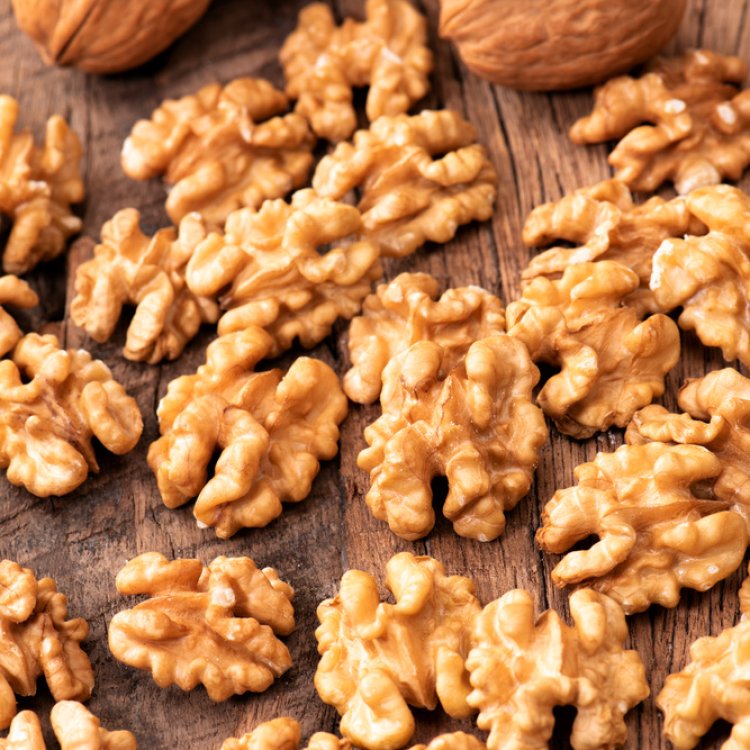
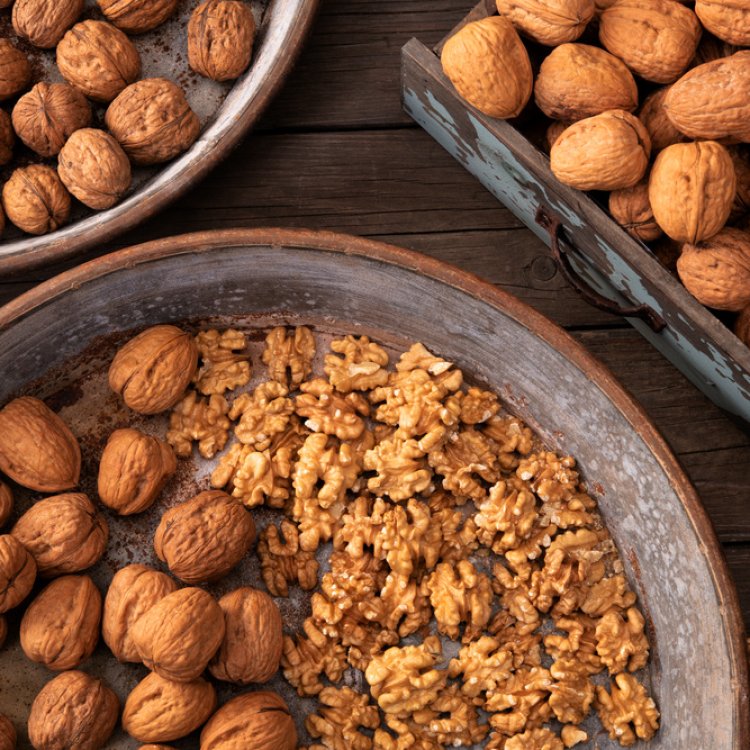
In late spring, usually around April to May, the Common Walnut produces separate male and female flowers. Both grow on the same tree, a feature known as monoecious. The male flowers appear as slender, pendulous catkins. Conversely, the female flowers are smaller. They are borne in clusters at the tips of new shoots. While these flowers are not notably showy, they lead to the tree’s most prized asset. This is its collection of edible nuts. The familiar walnuts develop within a fleshy, green husk. This happens throughout the summer. They gradually ripen and split open from September to October. This reveals the hard-shelled nuts inside. These nuts offer a rich, earthy flavour. They are perfect for many culinary uses or simply enjoying fresh.
Juglans regia is primarily grown as a majestic specimen tree. It provides both shade and a significant focal point in a spacious garden. It truly excels when given ample room to develop its impressive spread. This makes it ideal for large lawns or parkland settings. The tree can also be planted in an orchard setting for nut production. Minimal pruning is typically needed for a mature Common Walnut. Focus on removing any dead, diseased, or crossing branches. Do this during summer to prevent sap bleed. Its broad canopy offers shelter for various bird species. Its nutritious nuts are a valuable food source for squirrels. Consequently, it strongly contributes to garden biodiversity.
Very hardy. Tolerates temperatures typical of a continental winter.
Plant Juglans regia in a spacious location with full sun and deep, well-drained soil. Water regularly during dry spells, especially while the tree is establishing. Minimal pruning is generally required; remove any dead, diseased, or crossing branches during summer to minimise sap bleed and prevent potential fungal issues. Protect young trees from animal damage. Ensure good air circulation around the canopy.
This plant is deciduous so it will lose all of its leaves in the autumn and get fresh new foliage each spring.