£9.16 – £9.86Price range: £9.16 through £9.86
Discover Jasminum officinale, the Common Jasmine, a vigorous climber with wonderfully fragrant white flowers. It offers a rich, sweet perfume from summer to early autumn, attracting bees and butterflies. Perfect for walls, pergolas, and adding timeless charm.
256 in stock
Discover the enchanting allure of Jasminum officinale, a classic climbing plant celebrated for its abundant, wonderfully fragrant white flowers and vigorous growth.
Common Jasmine, known scientifically as Jasminum officinale, offers a truly sensory experience in any UK garden. This robust deciduous climber brings beauty and a rich, sweet perfume throughout the summer months. Its elegant foliage and prolific blooms make it a cherished choice. Gardeners love its ability to transform walls, pergolas, and fences into fragrant cascades. Furthermore, it readily attracts beneficial wildlife. Truly, Jasminum officinale adds timeless charm.
Jasminum officinale, often called Common Jasmine or Poet’s Jasmine, hails from the Caucasus, northern Iran, Afghanistan, Nepal, and parts of China. This beloved plant has a rich history, cultivated for centuries for its beauty and intoxicating scent. Its name, “Jasminum,” derives from the Persian word “yasmin,” meaning “gift from God.” The species epithet “officinale” indicates its use in traditional medicine or perfumery.
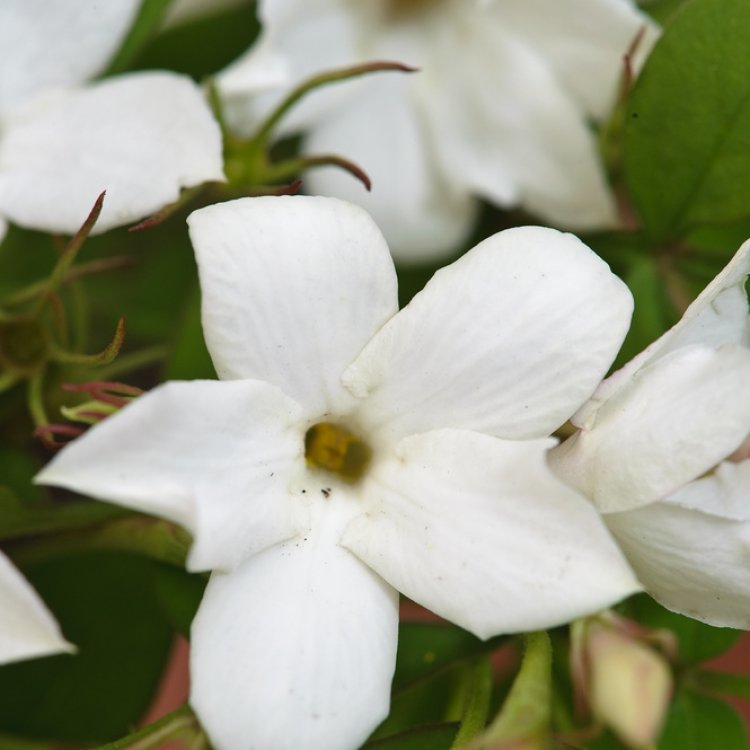
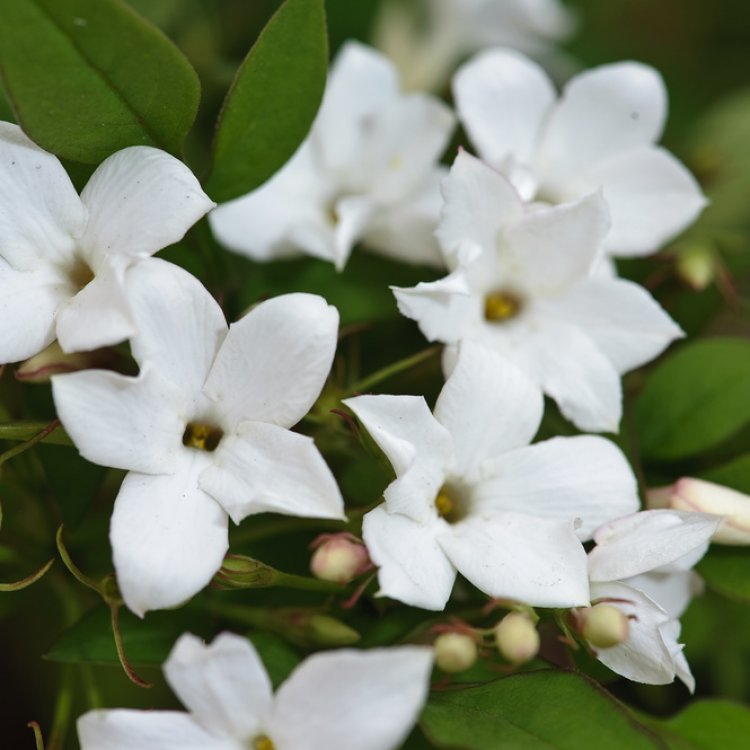
From June to September, Jasminum officinale explodes with a profusion of small, star-shaped white flowers. These blooms release an exquisite, sweet fragrance that drifts beautifully on warm evening air. The delicate scent makes it a perfect choice near seating areas. Its foliage consists of pinnate leaves, each with five to nine small, ovate leaflets. These leaves maintain a fresh green colour through the growing season. In autumn, they transition to yellow before falling, signalling its deciduous nature.
This versatile climbing plant thrives in many garden settings. Use Jasminum officinale to soften architectural features, such as arbours, trellises, or unsightly walls. It creates a stunning, living screen. You can also train it to scramble through trees or large shrubs, adding another layer of interest. The plant provides excellent vertical accent and fills spaces with its wonderful aroma. Its vigorous habit allows for quick coverage.
Pruning is simple and best done after flowering. This helps manage its size and encourages healthy new growth for the following season. Remove any dead or congested stems to maintain good air circulation. As well as its beauty, Jasminum officinale offers great benefits to local wildlife. Its sweet, open flowers are a magnet for buzzing bees and elegant butterflies, enriching your garden’s ecosystem. These pollinators visit frequently, gathering nectar and aiding other plants.
Hardy in all of the UK and northern Europe. Suitable for exposed sites.
Provide sturdy support for its climbing stems. Water regularly during dry spells, especially when young, to help it establish. Prune after flowering to maintain shape and encourage new blooms. Feed with a balanced fertiliser in spring.
This plant is deciduous so it will lose all of its leaves in the autumn and get fresh new foliage each spring.