£4.18 – £4.88Price range: £4.18 through £4.88
Isotoma fluviatilis, a charming ground cover, adorns UK gardens with a dense mat of tiny green leaves and abundant star-shaped blue-purple flowers from late spring to autumn. Ideal for paths and rockeries, it attracts bees and tolerates light foot traffic.
557 in stock
Unveil the charm of Isotoma fluviatilis, a remarkable ground cover perfect for bringing vibrant blue blooms and lush greenery to your garden.
Isotoma fluviatilis, also commonly known as Blue Star Creeper, offers a delightful display with its prolific flowering and dense, mat-forming habit. This resilient plant flourishes in various settings, particularly thriving in moist, well-drained soils. Originating from Australia and New Zealand, it brings a touch of Antipodean beauty to British gardens. Gardeners often choose it for its low-maintenance nature and enduring appeal throughout the seasons. Therefore, it provides excellent ground cover.
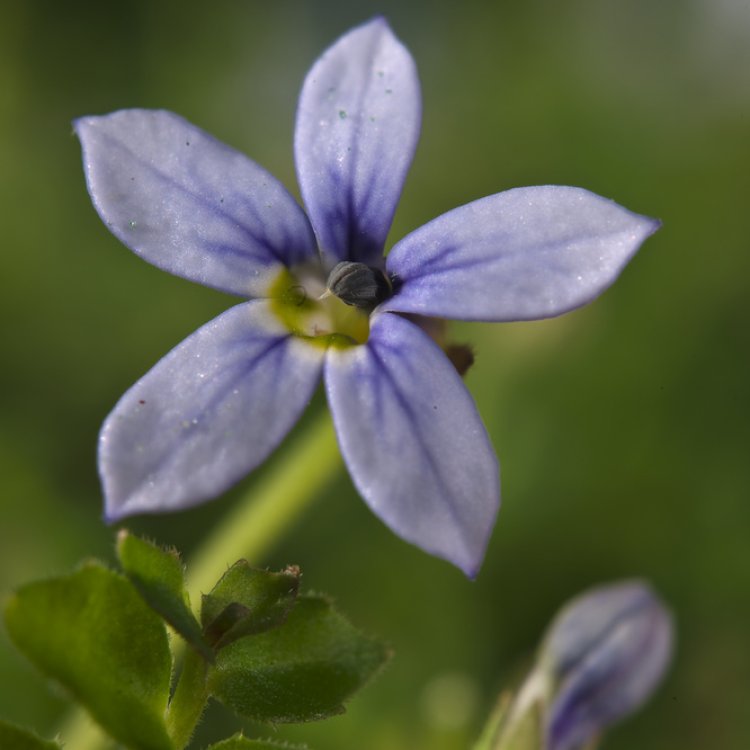
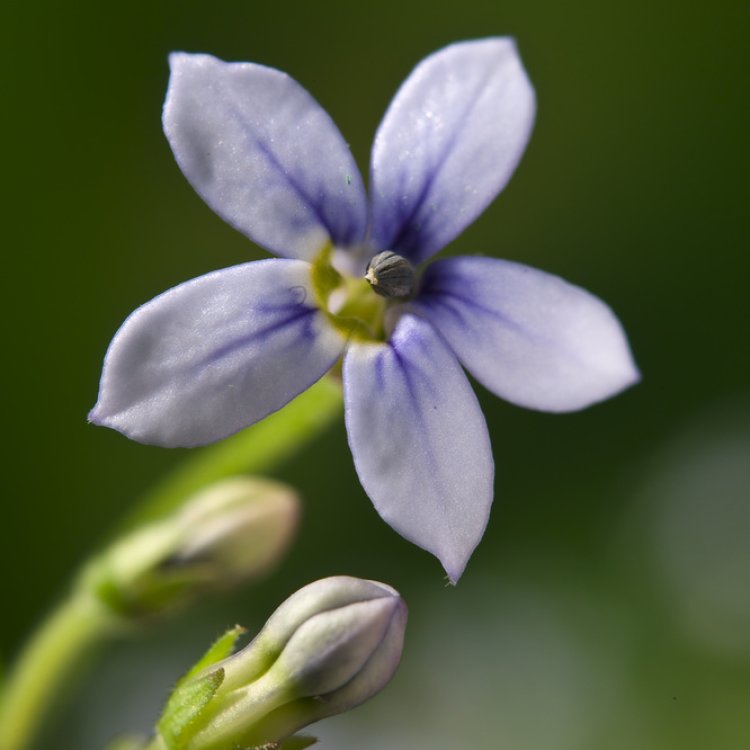
Isotoma fluviatilis is an enchanting herbaceous perennial, celebrated for its unique ability to form a verdant carpet. Its botanical name, ‘Isotoma’, comes from Greek words meaning ‘equal cuts’, which refers to the five equally-lobed petals of its distinctive flowers. Furthermore, ‘fluviatilis’ indicates its natural habitat near rivers or streams, hinting at its preference for consistent moisture. This plant is well-suited to the UK climate.
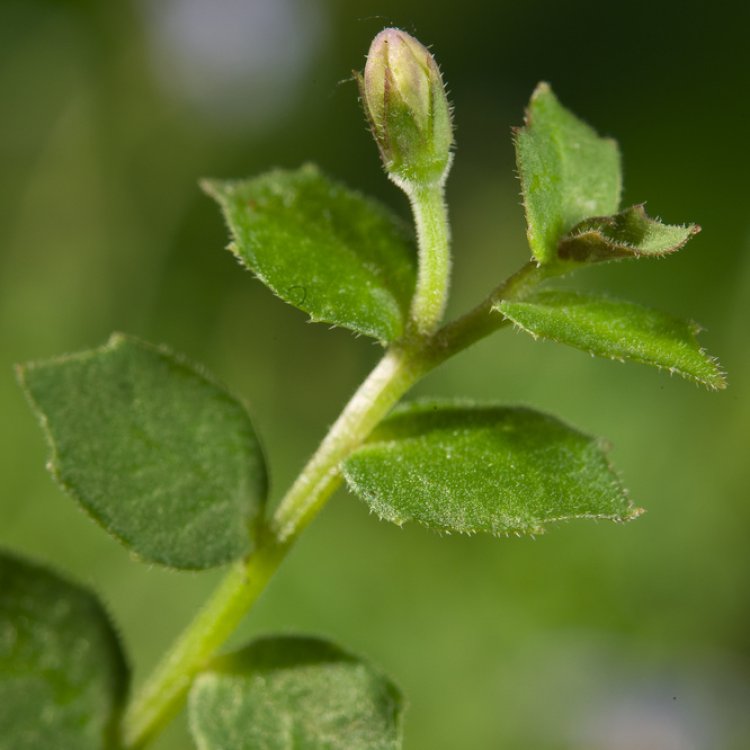
This spreading plant features tiny, bright green leaves that create a dense, creeping mat. From late spring, typically May, through to early autumn, often September, Isotoma fluviatilis bursts into life. It produces a spectacular display of star-shaped flowers, each a delicate shade of blue or lavender-purple. Indeed, these charming blooms appear in such profusion that they can almost obscure the foliage below. Consequently, they offer a truly captivating sight, adding significant visual interest to any space.
Gardeners find Isotoma fluviatilis incredibly versatile, making it a valuable addition to many garden designs. It excels as a living carpet, especially when planted between paving stones or along the edges of paths. Its robust nature also allows it to tolerate light foot traffic, which further enhances its practicality in high-use areas.
Moreover, Isotoma fluviatilis softens hard landscaping elements, such as patios and steps. It thrives equally well in rock gardens, cascading gracefully over low walls, or at the front of borders. Here, it forms a neat, weed-suppressing ground cover. This plant truly shines in damp, sunny spots.
Beyond its beauty, Isotoma fluviatilis offers benefits to local wildlife. Its small, open flowers are a magnet for bees and other beneficial pollinators, drawing them to your garden. This plant requires minimal pruning; generally, you just need to trim it back if it spreads beyond its desired boundaries or to tidy its appearance after the main flowering flush. Therefore, it is a fantastic choice for gardeners seeking both beauty and ease of maintenance.
Hardy across most of the UK except particularly exposed or cold regions.
Isotoma fluviatilis thrives in moist, well-drained soil and prefers a sunny to partially shaded spot. Water regularly, especially during dry spells, to maintain consistent soil moisture. It generally requires little feeding; a light application of balanced granular fertiliser in spring can encourage vigorous growth. To maintain its neat appearance and prevent excessive spread, trim back any unwanted growth after flowering. Division of congested clumps in spring can rejuvenate older plants. Although hardy, a light mulch in very exposed, cold areas during winter may provide extra protection. This plant is generally trouble-free regarding pests and diseases, making it an easy-care choice for your garden.