£6.53 – £7.96Price range: £6.53 through £7.96
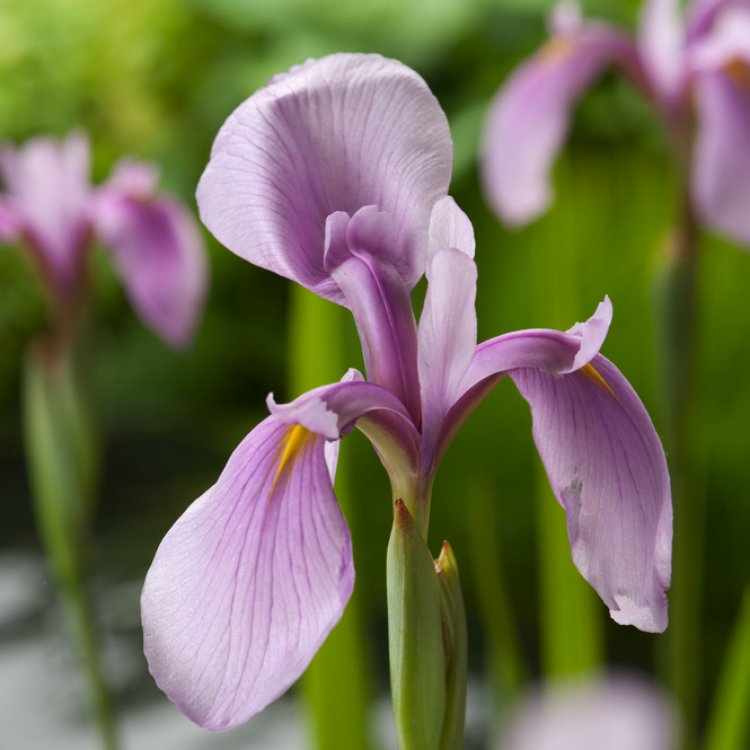
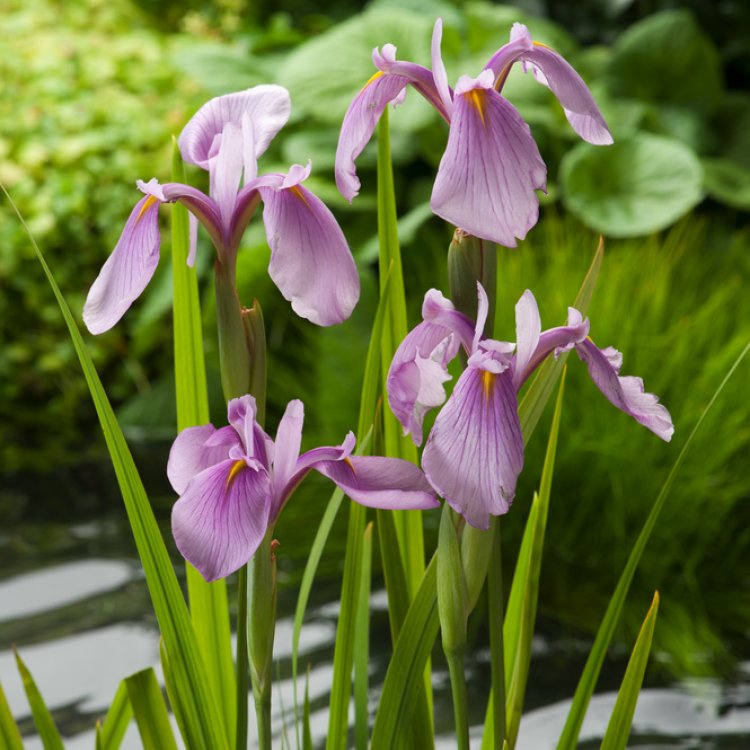
Iris laevigata ‘Rose Queen’ is a stunning Japanese water iris, featuring vibrant rose-pink flowers. Ideal for pond margins or bog gardens, it brings elegant colour and attracts pollinators to your UK garden.
300 in stock
Discover Iris laevigata ‘Rose Queen’, a captivating Japanese water iris bringing vibrant colour and graceful form to UK pond edges and bog gardens.
Iris laevigata ‘Rose Queen’ presents an exquisite display of large, vibrant rose-pink flowers. This stunning plant thrives in wet conditions. It is perfect for water margins or damp, boggy areas within your garden. These irises come from Asia, specifically Japan. People have admired them for centuries for their beauty. ‘Rose Queen’ is a specific type, chosen for its special colour and strong growth.
The name Iris comes from a Greek word. It means ‘rainbow’. This refers to the many flower colours in the genus. The name laevigata means ‘smooth’. It likely points to the plant’s smooth leaves. ‘Rose Queen’ describes its great, rose-pink flowers. Each flower has broad, overlapping petals. These are called falls. Subtle dark pink veins mark the falls. They spread out from a small yellow spot. These lovely flowers grow on strong, upright stems.
Long, strap-like leaves appear in spring. They stay a bright green all season. This upright foliage gives a strong vertical accent in your garden. It looks good even when the plant is not flowering. The plant forms thick groups over time. This makes a notable feature. Its graceful shape looks wonderful near water. It adds both structure and texture.
Iris laevigata ‘Rose Queen’ suits many garden styles. Gardeners often place it along pond edges or by streams. It also grows well in special bog gardens. Here, the soil stays wet all the time. This plant builds a strong root system. This helps hold soil on banks. Its bright flowers also draw in helpful insects. Bees and butterflies visit the blooms often. They collect nectar and help with plant spread. This makes Iris laevigata ‘Rose Queen’ good for local wildlife.
This iris needs no regular cutting back or shaping. Just snip off old flower stems after it blooms. This keeps the plant tidy. Divide dense clumps every few years. This helps the plant stay strong.
Very hardy. Tolerates temperatures typical of a continental winter.
Positioning: Plant Iris laevigata 'Rose Queen' in a sunny spot, ideally at the edge of a pond or in a bog garden where soil stays consistently wet. It thrives with its roots in shallow water up to 10cm deep, but also adapts well to moist, rich garden soil.
Watering: Ensure the soil remains continuously moist, especially during dry spells and the growing season. If planted in a container within a pond, keep the water level consistent.
Feeding: Apply a balanced aquatic fertiliser in spring as new growth begins, or a general slow-release fertiliser for bog garden plants. Avoid high-nitrogen feeds which can encourage leafy growth at the expense of flowers.
Maintenance: Deadhead spent flowers to keep the plant tidy and encourage more blooms. In late autumn or early winter, cut back any dead or yellowing foliage to ground level.
Division: Divide overcrowded clumps every 3-5 years, ideally in spring, to maintain vigour and flowering performance. Replant healthy outer sections.
Pests and Diseases: Generally trouble-free. Keep an eye out for iris rot in poorly drained conditions (though this plant loves wet feet, ensure water is not stagnant) or iris leaf spot, which can be managed by removing affected leaves.