£4.12 – £5.54Price range: £4.12 through £5.54
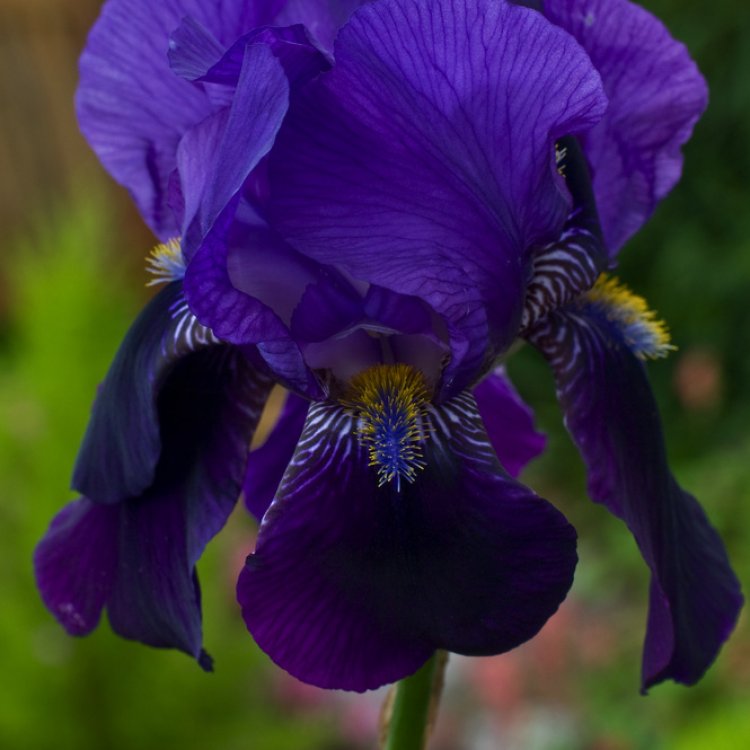
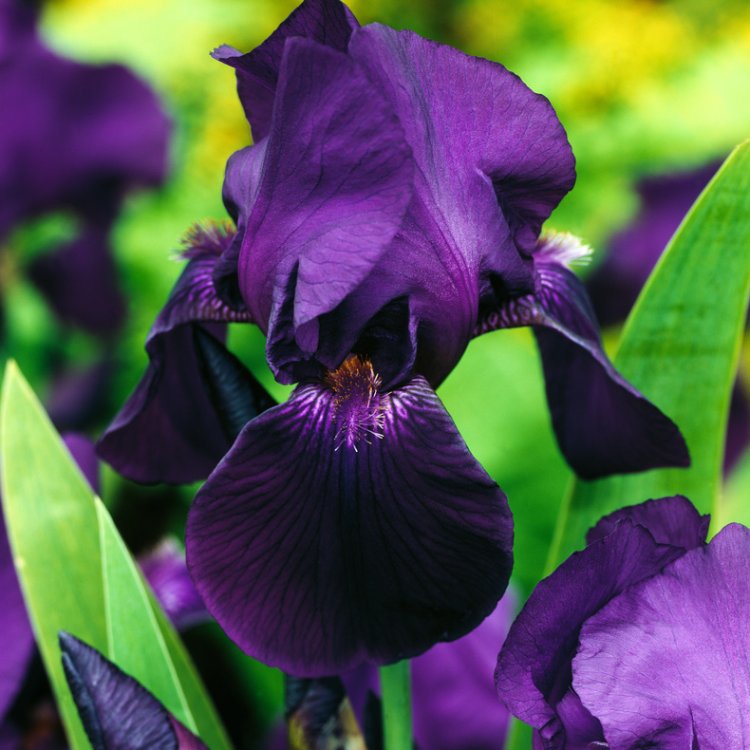
Iris (G) ‘Black Knight’ is a dramatic Bearded Iris with intense, velvety, near-black blooms. Flowering late spring to early summer, it adds mystery and elegance to UK gardens, while attracting bees and butterflies.
70 in stock
Discover Iris (G) ‘Black Knight’, a truly captivating Bearded Iris, famous for its extraordinarily dark, velvety, near-black blooms, adding drama to any UK garden.
This remarkable perennial brings a touch of opulent mystery to borders and beds. Iris (G) ‘Black Knight’ is a classic choice among garden enthusiasts. Gardeners celebrate its unique colour and elegant form. Its deep, rich flowers create a striking contrast against brighter garden hues. This variety is surprisingly easy to grow. It thrives in sunny spots across the UK, making it a reliable and rewarding addition.
The name Iris (G) ‘Black Knight’ truly defines this striking plant. Its flowers display an intense, deep violet, which often appears almost black in certain light conditions. This creates a memorable visual impact. The velvety texture of its petals further enhances this dramatic hue. A distinctive dark ‘beard’ also graces the lower falls. These robust blooms emerge dependably from late May through June, announcing summer’s arrival with grandeur.
Majestic flowers accompany the plant’s unique sword-like leaves. These grey-green blades provide an attractive architectural element throughout the year. They grow upright, forming a dense clump. Consequently, this ensures continuous visual interest even when flowers are absent. This herbaceous perennial, a classic Tall Bearded Iris, brings both strong vertical structure and rich colour to diverse garden schemes.
Iris (G) ‘Black Knight’ excels in various garden settings. It forms a superb focal point within sunny borders. Planting it in drifts particularly maximises its stunning visual effect. Gardeners frequently use it for bold statements in contemporary designs. Conversely, it adds character and depth to traditional cottage gardens. Its unique, dark colour offers fantastic opportunities for contrasting with lighter shades, such as whites, silvers, or vibrant yellows.
This variety contributes to garden biodiversity. It actively draws in valuable pollinators. Bees and butterflies, in particular, are attracted to its nectar-rich blooms. These insects are essential for a thriving garden ecosystem. Therefore, choosing this variety helps support local wildlife populations, making your outdoor space more vibrant and alive.
General maintenance for this Bearded Iris is simple. After flowering, remove spent blooms to maintain tidiness. This also directs the plant’s energy towards healthy root development. Additionally, cut back foliage in late autumn or early winter. This action helps prevent pests and diseases. Such practice is especially beneficial in the UK’s often damp climate. Iris (G) ‘Black Knight’ offers low maintenance with high impact, promising enduring beauty.
Hardy in the harshest UK conditions and below. Suitable for mountain regions.
Plant in full sun with rhizomes partially exposed in well-drained, neutral to slightly alkaline soil. Deadhead spent flowers. Cut back foliage in late autumn or early winter to prevent disease. Divide congested clumps every 3-5 years in late summer.