£2.43 – £3.85Price range: £2.43 through £3.85
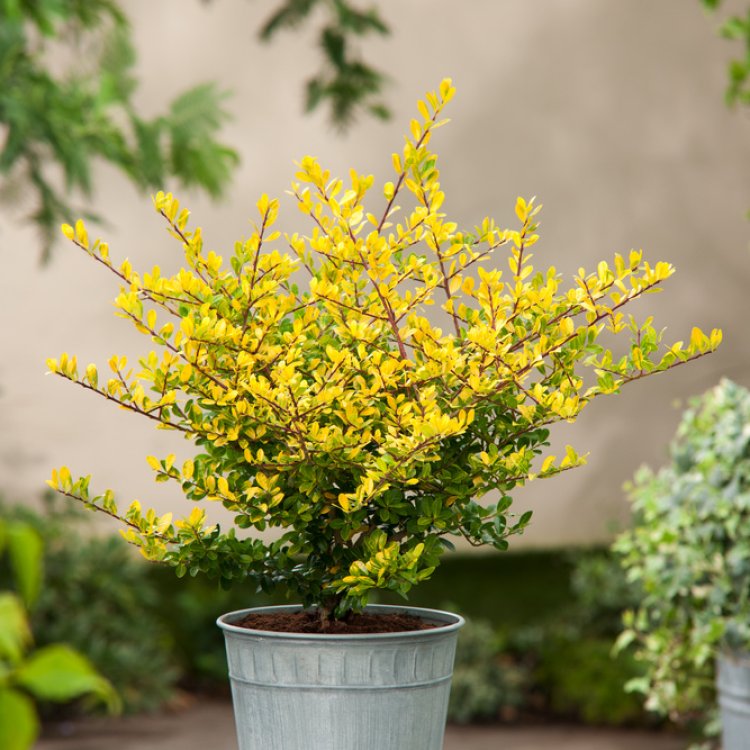
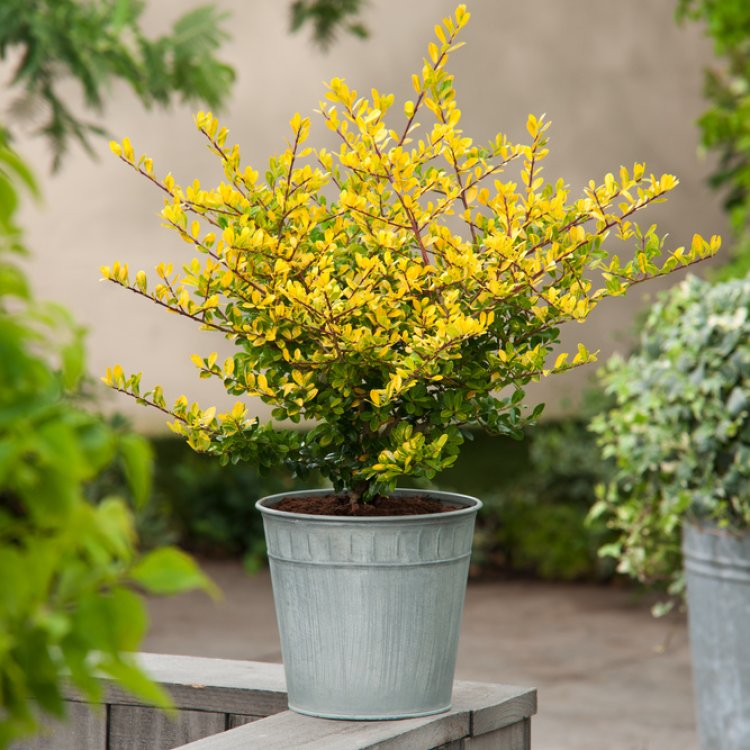
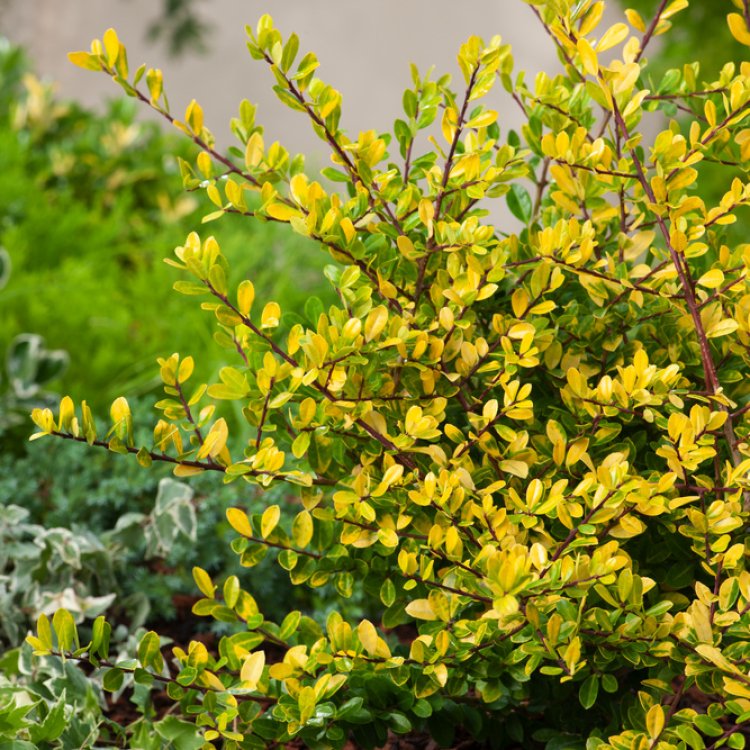
Ilex crenata ‘Golden Gem’ is a vibrant evergreen Japanese Holly, flaunting striking golden-yellow foliage all year. Perfect for neat hedges or exquisite topiary, it offers continuous colour and structure, attracting bees with its subtle spring flowers.
300 in stock
Introduce the captivating Ilex crenata ‘Golden Gem’, a vibrant evergreen shrub, perfect for adding golden brightness and structure to UK gardens.
Ilex crenata ‘Golden Gem’ is a distinguished evergreen shrub, celebrated for its striking golden-yellow foliage. This resilient plant brings year-round colour and a refined presence to any garden setting. Often chosen for its resemblance to Box, it offers a wonderful alternative. Moreover, its compact habit and fine texture make it a versatile choice for gardeners across the UK.
Origin and Naming
Ilex crenata ‘Golden Gem’ hails from East Asia, specifically Japan, Korea, and China. The name Ilex is the classical Latin name for Holm Oak, which has similar foliage. Meanwhile, crenata refers to the crenate, or scalloped, edges of its small leaves. ‘Golden Gem’ is a cultivar selected for its distinctive golden leaf colour.
Foliage and Bloom
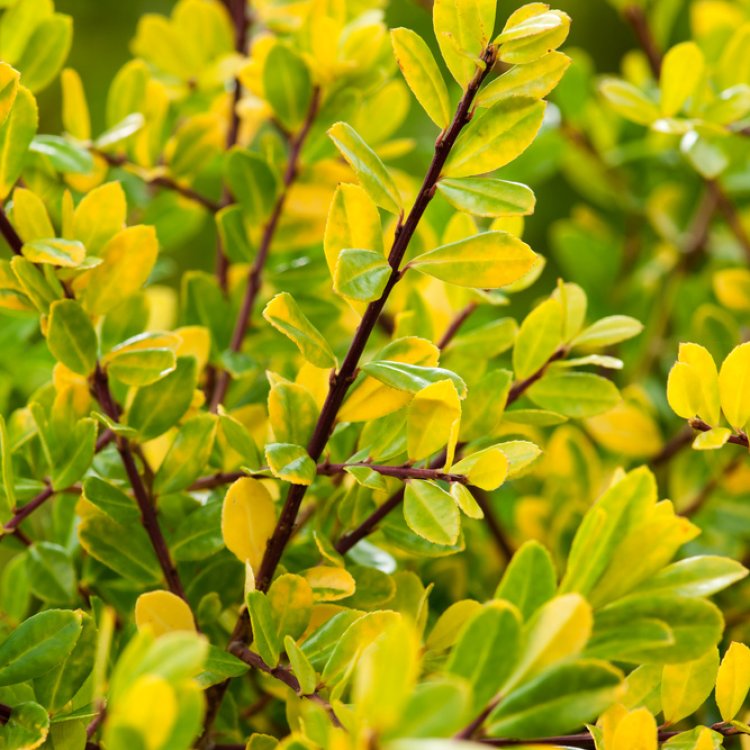
This plant showcases small, oval, glossy leaves, which emerge a brilliant golden-yellow. These leaves maintain their vibrant hue all year, offering exceptional contrast in mixed borders. In late spring to early summer, typically around May to June, inconspicuous white flowers appear. While not showy, these flowers are important. Consequently, they attract essential pollinating insects. This particular cultivar produces few or no berries.
Garden Uses and Pruning
Ilex crenata ‘Golden Gem’ is exceptionally adaptable for various garden roles. Many gardeners use it to create low hedges, defining pathways or garden rooms. Furthermore, its dense growth makes it an excellent choice for intricate topiary shapes. You can also plant it as an elegant specimen or use it to edge borders, providing a neat, formal appearance. This plant tolerates regular pruning very well; therefore, shaping it is straightforward. Regular trimming maintains its desired form and density.
Wildlife Appeal
Although its berries are minimal, the small, nectar-rich flowers of Ilex crenata ‘Golden Gem’ offer a valuable food source for bees and other beneficial insects during their flowering season. By including this plant, you help support the garden ecosystem. Thus, it adds both beauty and ecological benefit.
Hardy in all of the UK and northern Europe. Suitable for exposed sites.
Ensure Ilex crenata 'Golden Gem' is planted in moist, well-drained, slightly acidic to neutral soil. Water regularly after planting until established, especially during dry spells. Mulch around the base in spring to retain moisture and suppress weeds. Prune annually, ideally in late spring or early summer after flowering, to maintain its shape and density. Light trimming can also be done in late summer. Protect from strong, drying winds in exposed sites, particularly during winter. Feed with a balanced slow-release fertiliser in spring.