£33.43 – £35.06Price range: £33.43 through £35.06
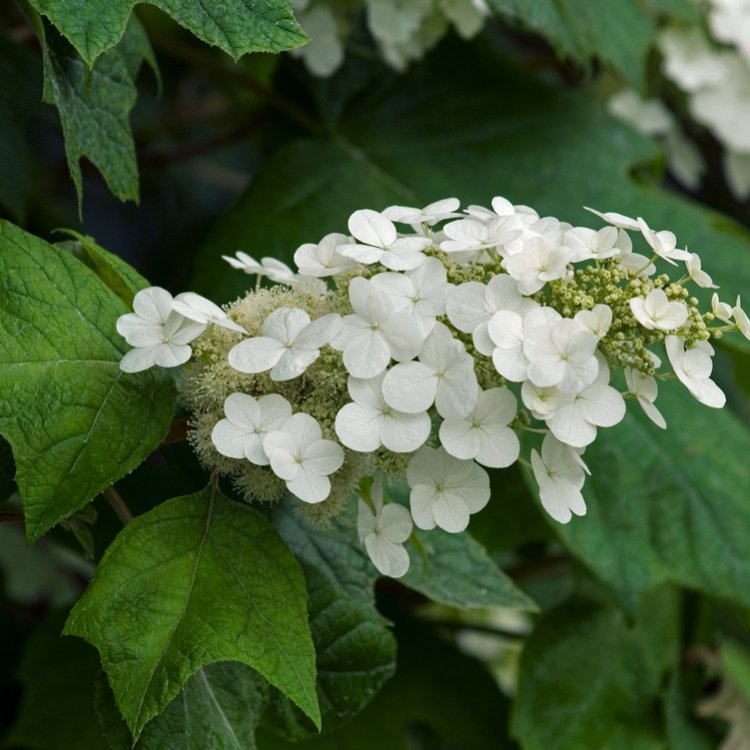
Bring year-round beauty to your UK garden with Hydrangea quercifolia, the Oakleaf Hydrangea. Enjoy its distinct oak-shaped leaves, conical white blooms maturing to pink, and fiery autumn foliage. A truly captivating, low-maintenance shrub.
16 in stock
Hydrangea quercifolia, or Oakleaf Hydrangea, offers year-round allure to UK gardens, celebrated for its distinct foliage and captivating seasonal transformations.
This exceptional shrub provides unparalleled visual interest from spring through winter. Its unique oak-shaped leaves, large conical flower clusters, and spectacular autumn colours truly set it apart. Gardeners across the UK increasingly appreciate its robust nature and enduring beauty, making it a cherished addition to many landscapes.
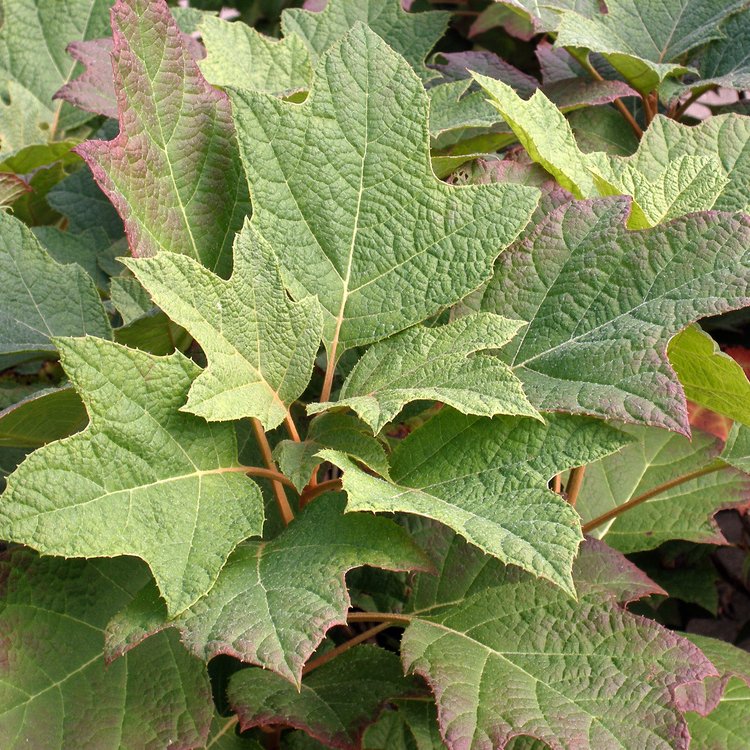
The plant’s botanical name, Hydrangea quercifolia, clearly describes its most striking feature. “Quercifolia” derives from Latin, meaning “oak-leaved,” directly referencing its deeply lobed foliage, which strikingly resembles that of an oak tree. Native to the woodlands of the southeastern United States, this species thrives in environments where it can grow freely. Unlike many other hydrangeas, its leaves offer a unique texture and form, providing a strong visual anchor in any planting scheme. Consequently, it has become a firm favourite with gardeners seeking something truly special.
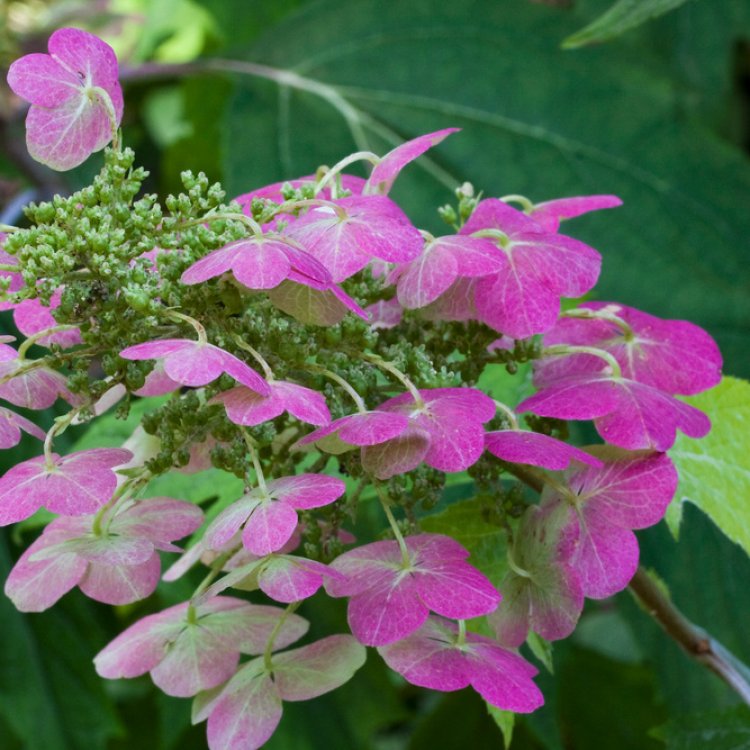
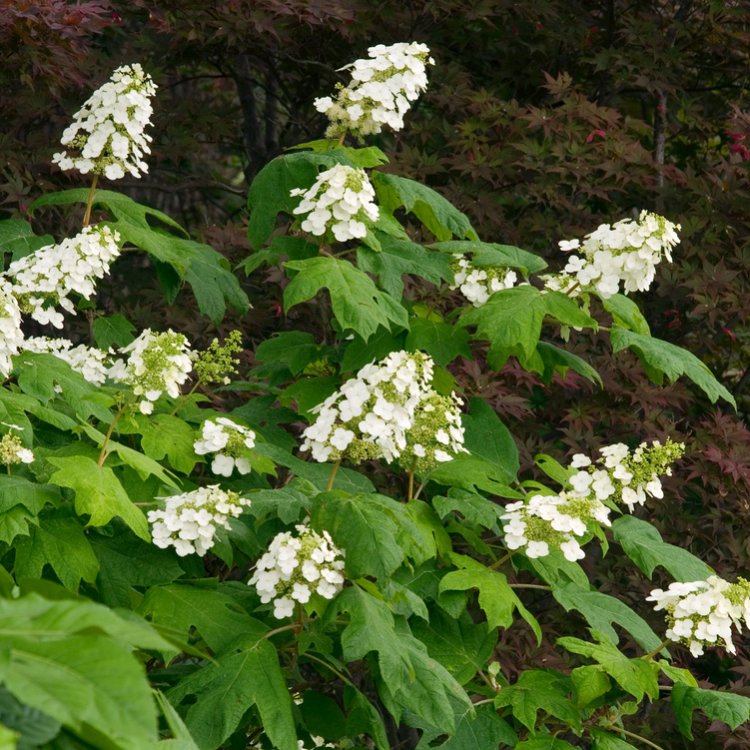
Throughout summer, Hydrangea quercifolia produces magnificent, elongated, conical flower panicles. These impressive flower heads initially emerge a pristine creamy white. They gradually mature to soft pink or rose, sometimes displaying deeper reddish tones as the season progresses. Importantly, these flowers persist on the plant well into autumn, thus adding extended decorative appeal to your garden. Their changing colour provides a charming visual journey.
However, the true spectacle of the Oakleaf Hydrangea unfolds when autumn arrives. The deeply cut leaves transform into a breathtaking tapestry of fiery reds, deep burgundies, and rich purples. This dramatic colour change creates a vibrant display. Coupled with the cinnamon-toned, exfoliating bark that becomes visible in winter, this plant ensures continuous seasonal beauty and architectural interest.
This versatile shrub is a superb choice for a multitude of garden applications within the UK. It excels as a prominent specimen plant, commanding attention when given space to flourish. Additionally, it integrates beautifully into mixed shrub borders, woodland garden settings, or even along pathways where its seasonal changes can be fully appreciated. Its robust structure and striking appearance make it an effective focal point, while its long season of interest ensures year-round appeal. Importantly, Hydrangea quercifolia also supports local ecosystems; its nectar-rich flowers attract a variety of beneficial insects, including bees and butterflies, thereby enhancing garden biodiversity. This creates a lively and dynamic outdoor space.
Gardeners will find the Hydrangea quercifolia a relatively low-maintenance shrub. It generally requires minimal pruning, which helps maintain its natural, graceful shape. Any necessary pruning typically involves removing dead, damaged, or awkwardly placed branches in late winter or early spring, just before new growth commences. As its flowers develop on old wood, heavy pruning is usually unnecessary and should be avoided if you desire abundant blooms. This hands-off approach makes it an excellent choice for those seeking high impact with less effort.
Hardy in all of the UK and northern Europe. Suitable for exposed sites.
Water thoroughly and regularly during dry periods, especially during its first year of establishment. Ensure the soil remains consistently moist but not waterlogged. Apply a balanced, slow-release granular fertiliser around the base in early spring as new growth begins. Lay a 5-7cm layer of organic mulch, such as composted bark or leaf mould, around the plant's base in spring. This helps retain soil moisture, regulate temperature, and suppress weeds. Prune Hydrangea quercifolia lightly in late winter or early spring before new growth appears. Focus on removing any dead, damaged, or crossing branches. Minimal pruning is usually sufficient to maintain its natural shape; avoid heavy pruning as flowers form on old wood. In very exposed or exceptionally cold areas, a protective layer of mulch can further safeguard roots during severe winters, though it is generally very hardy.
This plant is deciduous so it will lose all of its leaves in the autumn and get fresh new foliage each spring.