£8.01 – £9.41Price range: £8.01 through £9.41
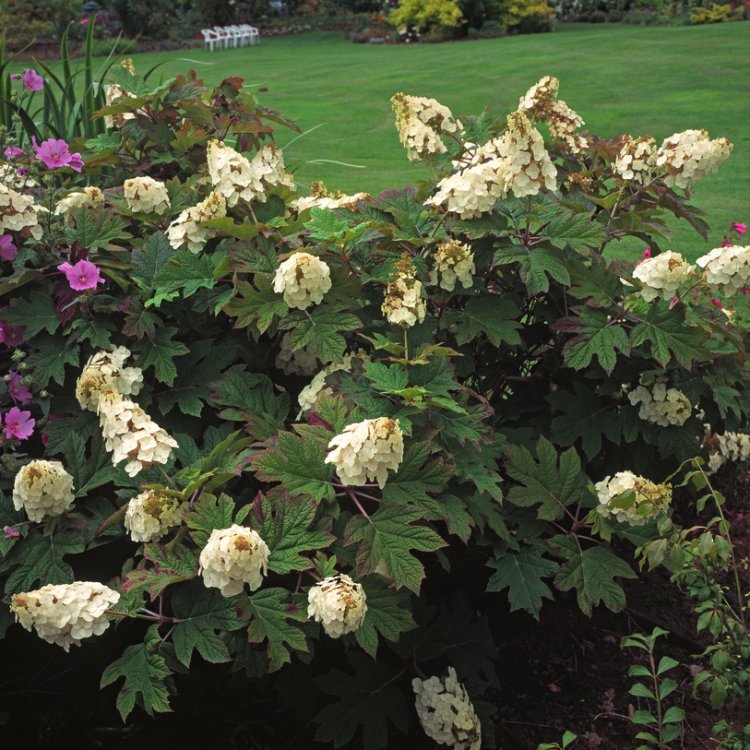
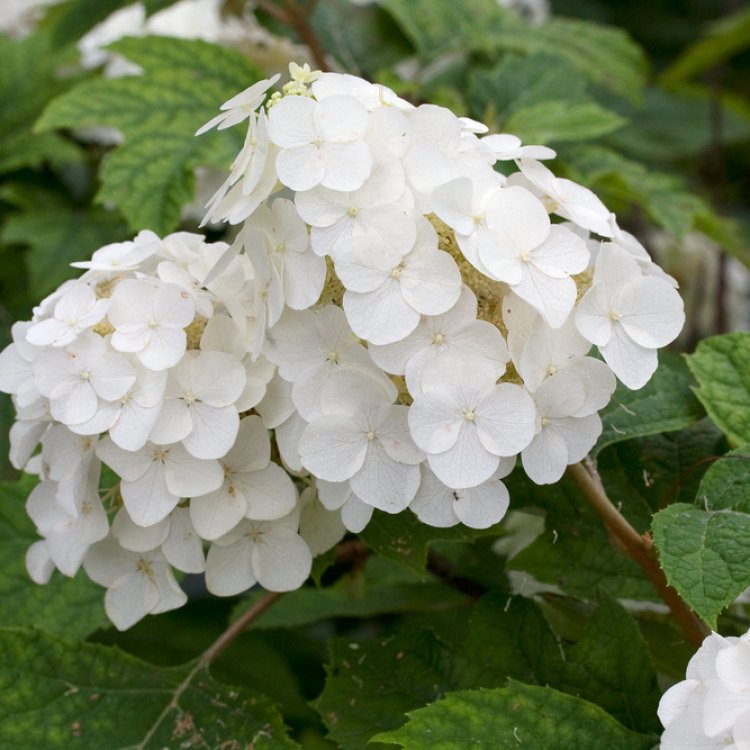
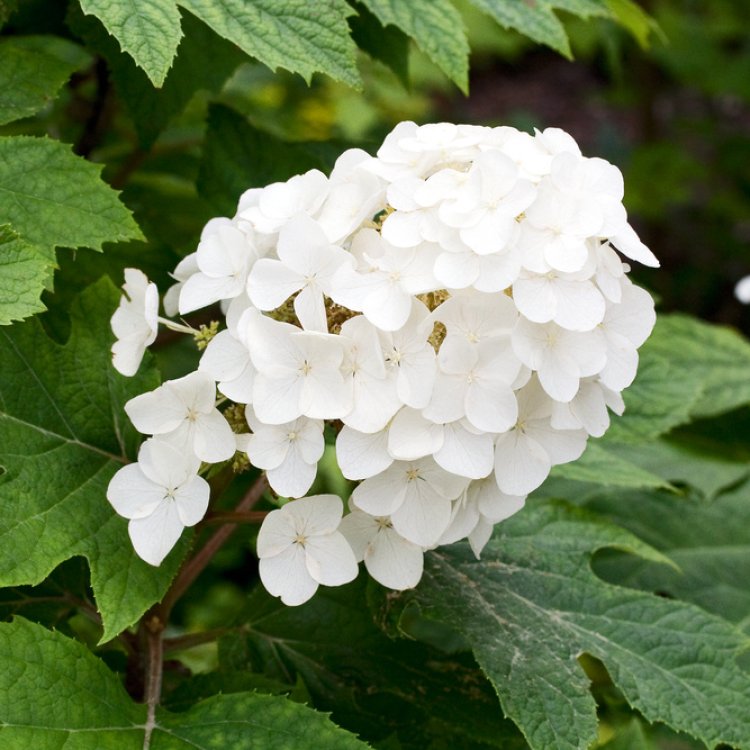
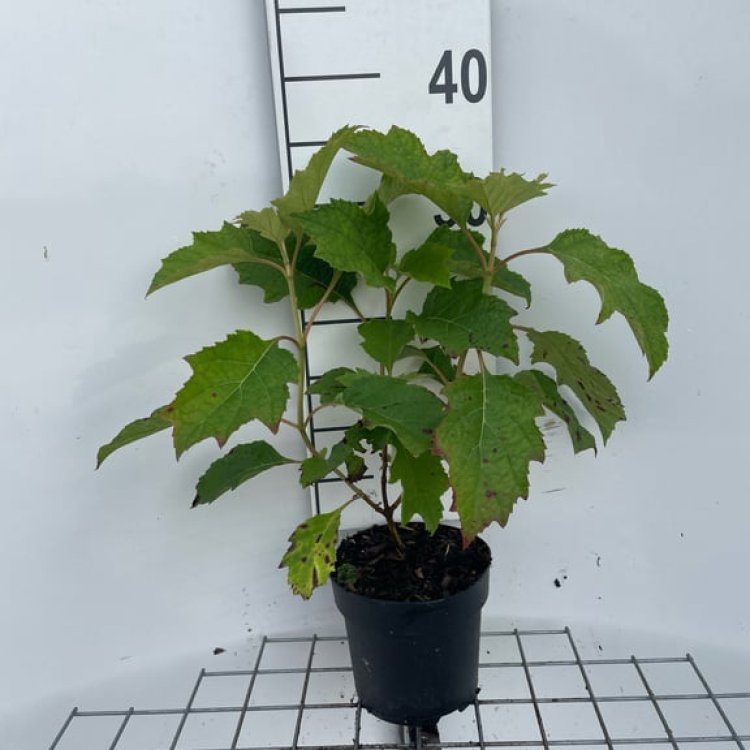
Hydrangea quercifolia Snow Queen is a stunning Oakleaf Hydrangea, boasting large white summer flowers that age to pink-red. Its distinctive oak-like leaves provide exceptional crimson and burgundy autumn colour, creating year-round interest.
225 in stock
Discover Hydrangea quercifolia Snow Queen, a magnificent deciduous shrub with distinctive oak-like leaves and stunning conical white flowers, perfect for UK gardens.
Hydrangea quercifolia Snow Queen truly stands out in any garden setting. This particular cultivar offers exceptional seasonal interest, making it a firm garden favourite. Its common name, Oakleaf Hydrangea, perfectly describes its uniquely shaped foliage. These impressive leaves provide a striking texture throughout the growing season. Furthermore, it boasts spectacular, long-lasting blooms. Gardeners appreciate its robust nature and impressive display, which transforms beautifully with the changing seasons in the British landscape.
The name Hydrangea originates from Greek words ‘hydor’ and ‘angos’, which mean ‘water jar’, directly referencing its distinctive cup-shaped seed capsules. Meanwhile, quercifolia translates directly to ‘oak-leaved’, accurately describing its remarkable foliage. ‘Snow Queen’ is a distinguished cultivar, specifically chosen for its profusion of large, brilliant white flower clusters, which truly illuminate the garden.
Hydrangea quercifolia Snow Queen provides a long season of visual interest. In early summer, generous, conical panicles of pure white flowers begin to emerge. These impressive blooms stand upright, creating a dramatic and elegant display. As the season progresses into autumn, the flowers gradually transition through soft pinks to a deeper rosy-red hue. Simultaneously, the large, deeply lobed leaves – which indeed strongly resemble oak leaves – undergo their own stunning transformation. They turn from vibrant green to rich shades of crimson, burgundy, and purple. This provides exceptional autumn colour, ensuring the plant remains a captivating focal point even as other plants begin to fade.
Gardeners often use Oakleaf Hydrangea in various landscape capacities. It performs beautifully as a striking specimen plant, allowing its unique form and seasonal changes to be fully admired. Moreover, it works exceptionally well within mixed borders or in woodland garden settings, adding structure, texture, and height. Its medium size makes it suitable for many garden designs, from formal to informal. Importantly, the flowers provide a valuable nectar source for local wildlife. Bees and butterflies regularly visit the blooms, contributing significantly to a thriving garden ecosystem and enhancing biodiversity.
This deciduous shrub generally requires minimal pruning to thrive. Typically, you only need to remove any dead, damaged, or weak stems in late winter or early spring. If you wish to reshape the plant or gently control its size, perform any major pruning immediately after flowering. This practice ensures you do not remove the following season’s flower buds, which form on old wood. Hydrangea quercifolia Snow Queen usually maintains a pleasing natural shape, so heavy or drastic pruning is rarely necessary for its continued health and beauty.
Hardy in all of the UK and northern Europe. Suitable for exposed sites.
Plant Hydrangea quercifolia Snow Queen in spring or autumn, ensuring the soil is consistently moist and well-drained. Choose a location with partial shade, preferably receiving morning sun, to protect the foliage from intense afternoon heat, especially in warmer regions. Water regularly, particularly during dry spells, to maintain soil moisture. Apply a balanced, slow-release fertiliser in early spring. Mulch around the base with organic matter like compost or well-rotted manure to conserve moisture and suppress weeds. Pruning is minimal; remove dead, damaged, or weak stems in late winter or early spring. If reshaping is necessary, prune immediately after flowering to preserve next season's blooms, which form on old wood. This hardy shrub generally requires little intervention once established.
This plant is deciduous so it will lose all of its leaves in the autumn and get fresh new foliage each spring.