£17.10 – £19.46Price range: £17.10 through £19.46
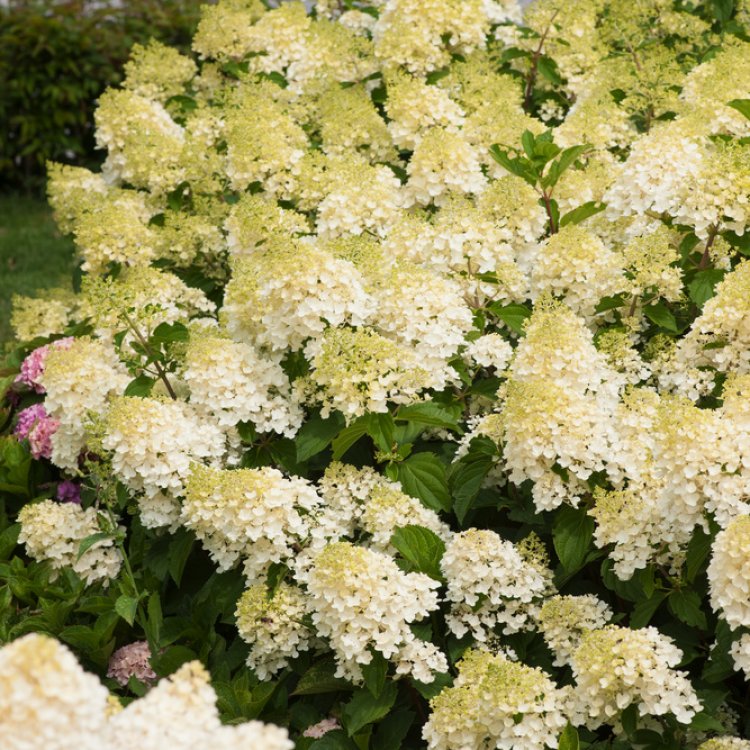
Hydrangea paniculata ‘Silver Dollar’ offers stunning conical white blooms that mature to pink, providing long-lasting summer and autumn colour. This hardy, wildlife-friendly shrub is perfect for UK gardens, attracting bees and butterflies.
100 in stock
Discover Hydrangea paniculata ‘Silver Dollar’, a robust and beautiful panicle hydrangea, perfect for adding elegant, long-lasting blooms to your UK garden.
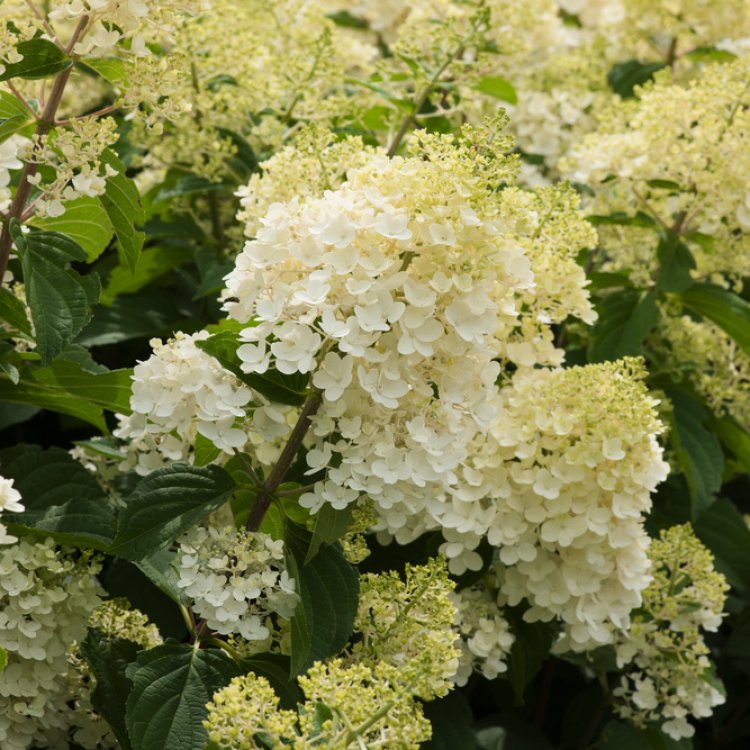
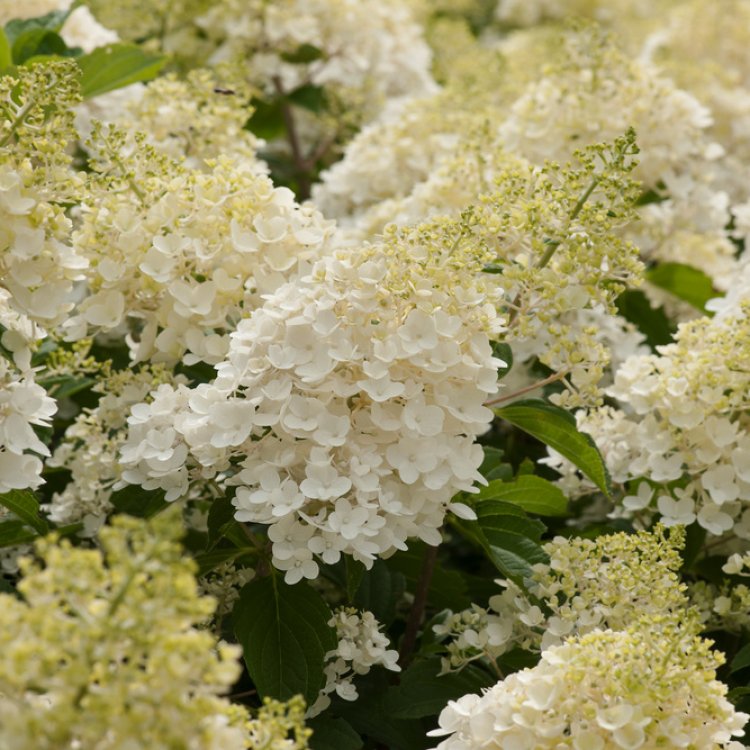
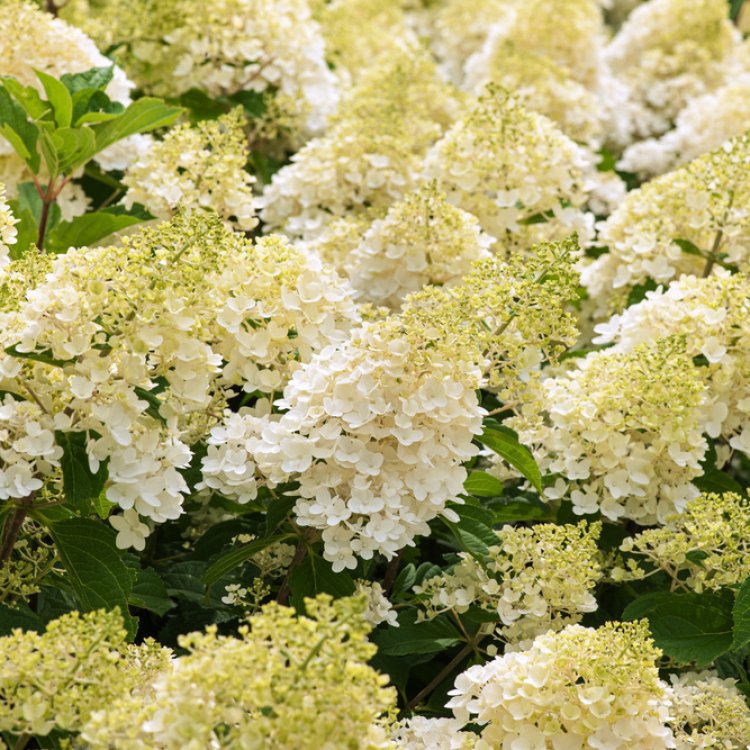
Hydrangea paniculata ‘Silver Dollar’ offers a superb display for any UK garden. It provides spectacular flowers from summer until autumn. This deciduous shrub is known for its impressive conical blooms. They emerge white, then gradually turn soft pink. Gardeners highly value its robust nature. Its reliable flowering makes it a favourite for borders or as a feature plant. Furthermore, it thrives in varied conditions, adding versatility.
The name Hydrangea paniculata ‘Silver Dollar’ suggests its initially bright, almost silvery-white blooms. They appear in great abundance. This cultivar boasts strong stems. These ensure the large flowerheads remain upright, even after heavy rain. Consequently, the plant maintains a tidy, attractive look throughout its season. Its robust habit forms a substantial yet manageable presence. It grows into a beautiful rounded shrub.
Flowering begins in mid-summer with lime-green buds. They open into magnificent, creamy-white panicles. As days shorten, usually from late August, these blooms gain rosy-pink flushes. Ultimately, they mature to deeper pink. They then fade to an attractive papery beige, decorative into winter. Meanwhile, oval, mid-green leaves provide excellent contrast. This creates a fresh, lively backdrop for the evolving floral show.
Hydrangea paniculata ‘Silver Dollar’ offers great flexibility. It shines as a striking specimen plant, capturing attention with its seasonal colours. Moreover, it works well in mixed borders, adding height and texture. Gardeners can use it for informal hedges. It is also an elegant choice for large patio containers. Its upright growth habit forms a graceful structure. This fits both formal and informal settings.
This panicle hydrangea flowers dependably on new wood. Therefore, routine pruning is simple and beneficial. For best results and the largest flowers, prune in late winter or early spring. This should occur before new growth starts. Cut back previous year’s growth to a strong framework of two or three buds. This encourages vigorous new shoots. These shoots will bear many impressive blooms.
This plant is not just beautiful. It is also a valuable asset for local wildlife. Its many individual florets offer nectar to pollinators. Consequently, during its long flowering season, it attracts bees and butterflies. Planting Hydrangea paniculata ‘Silver Dollar’ boosts biodiversity. It supports essential insects through late summer and autumn.
Very hardy. Tolerates temperatures typical of a continental winter.
Pruning: Prune in late winter or early spring (February-March in UK). Cut back the previous year's growth to a strong framework, leaving two to three buds on each stem. This promotes robust new growth and larger flowers. Remove any weak, dead, or crossing stems.
Watering: Keep the soil consistently moist, especially during dry spells and in its first year of establishment. Avoid waterlogging.
Feeding: Apply a balanced granular fertiliser in early spring as new growth emerges. A slow-release option is also suitable.
Mulching: Apply a generous layer of organic mulch, such as compost or well-rotted manure, around the base of the plant in spring. This helps retain soil moisture, suppress weeds, and enrich the soil.
Location: Choose a site with good air circulation to reduce the risk of fungal diseases. Protect from strong, drying winds which can damage blooms and foliage.
Pests/Diseases: Generally trouble-free. Watch for aphids or powdery mildew, though these are rare.
This plant is deciduous so it will lose all of its leaves in the autumn and get fresh new foliage each spring.