£27.85 – £30.20Price range: £27.85 through £30.20
Hydrangea paniculata Little Spooky is a charming dwarf shrub, ideal for UK gardens. Enjoy its abundant creamy white, conical flowers that mature to soft pink from summer to autumn. Perfect for pots or borders, it attracts pollinators.
250 in stock
Discover Hydrangea paniculata Little Spooky, a delightful, compact shrub offering an abundance of creamy white flowers throughout the British summer and autumn.
This charming deciduous shrub brings elegance to smaller gardens, patios, and containers alike. Gardeners celebrate Hydrangea paniculata Little Spooky for its petite stature and prolific blooming. Its robust nature makes it an excellent choice for UK gardeners seeking consistent performance. Gardeners appreciate its easy care and long-lasting floral display. This hardy plant offers fantastic visual appeal from mid-summer until the first frosts arrive.
Hydrangea paniculata Little Spooky is a dwarf cultivar, specifically bred for its small size and dense flower production. Its name, “Little Spooky,” cleverly hints at its compact and almost ethereal appearance, much like a friendly garden ghost, rather than any sinister origin. This makes it a perfect choice for gardeners who desire the grandeur of panicle hydrangeas but have limited space.
The plant creates a strong visual impact even in small garden designs. It originates from the paniculata species, which are known for their conical flower heads and impressive hardiness.
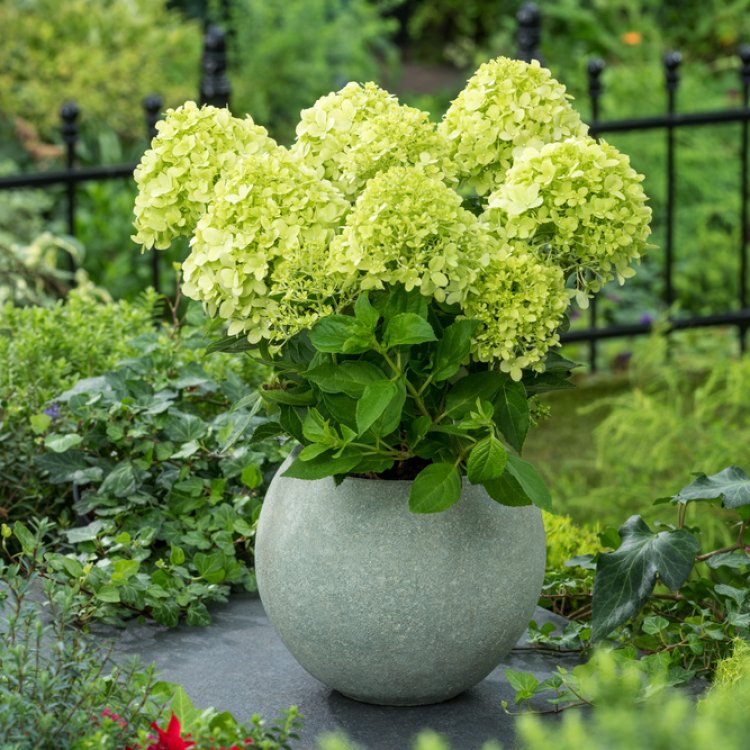
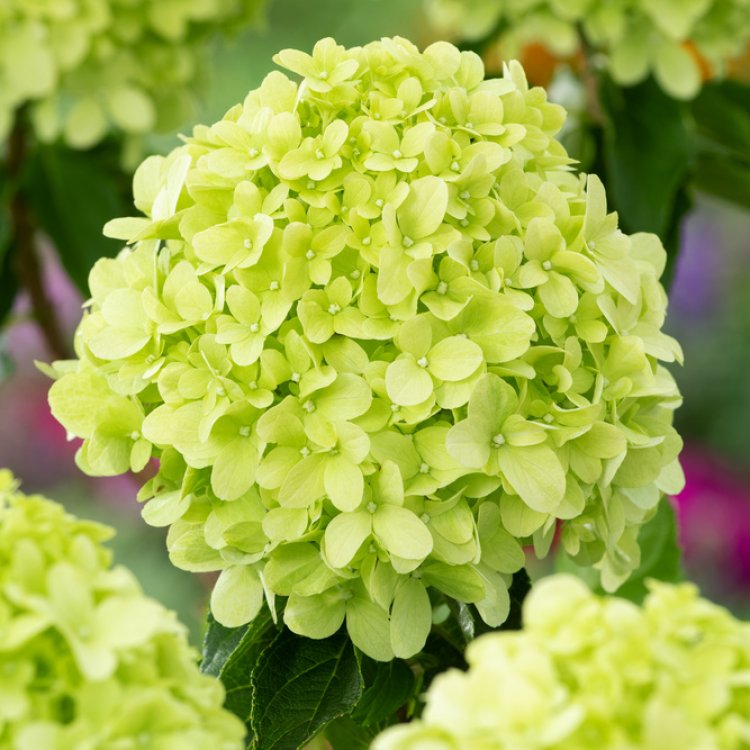
Throughout summer, Hydrangea paniculata Little Spooky produces numerous conical flower clusters. These blooms emerge as a pristine creamy white, offering a bright and refreshing presence in the garden. As the season progresses, particularly into late summer and early autumn, the flowers gradually take on delicate rosy pink tints.
This colour transformation adds extended interest, ensuring your garden remains vibrant for many weeks. The plant’s mid-green, oval leaves provide a lush backdrop, enhancing the beauty of the abundant flower display. They maintain their fresh appearance throughout the growing season.
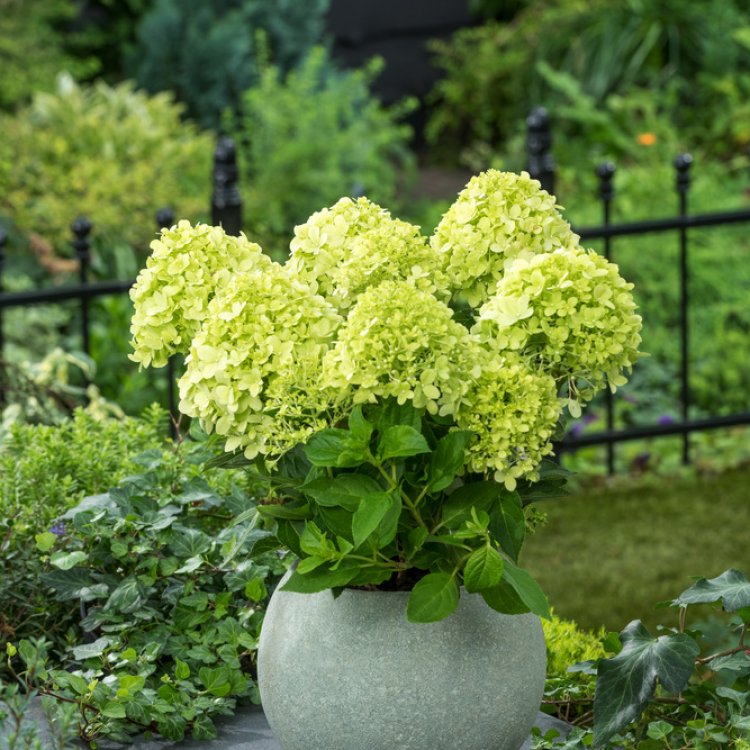
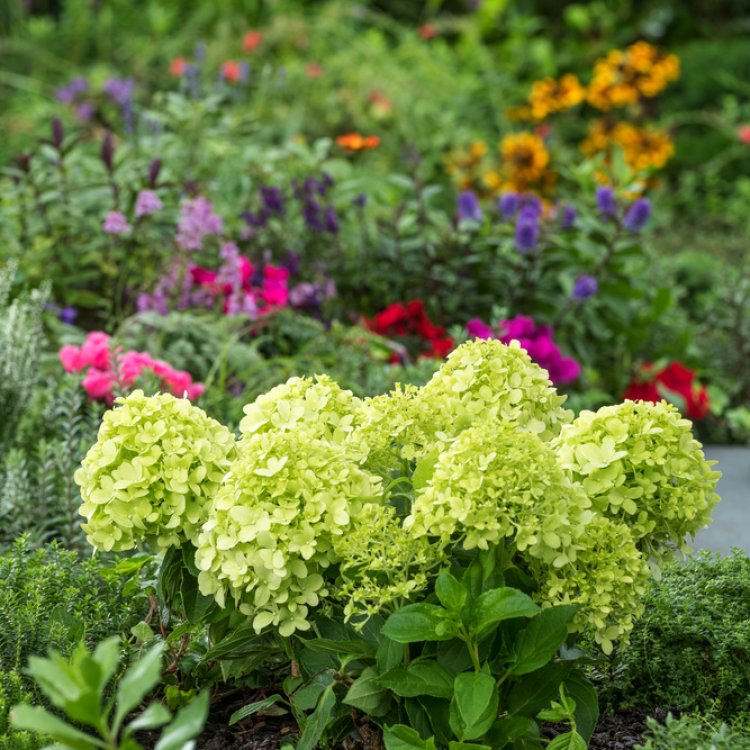
This versatile hydrangea fits beautifully into various garden settings. Its compact dimensions make Hydrangea paniculata Little Spooky superb for front-of-border planting, creating a neat, floriferous edge. Furthermore, it thrives in decorative pots and containers, allowing flexibility for patio displays or small courtyards.
You can also plant it in groups for a stunning massed effect, or use it as an elegant specimen plant. It introduces both structure and soft texture, fitting seamlessly into cottage, modern, or urban garden schemes.
Regular pruning helps maintain the plant’s shape and encourages vigorous blooming. Prune Hydrangea paniculata Little Spooky in late winter or early spring before new growth appears. Simply remove spent flowers and cut back stems to a few buds above ground level. This practice ensures a stronger framework and more abundant flowers each year.
Significantly, the open structure of its panicle flowers makes them easily accessible to pollinating insects. Bees and butterflies frequently visit the blooms, contributing to garden biodiversity and vibrancy. This makes Hydrangea paniculata Little Spooky a wonderful addition for wildlife-friendly gardens.
Hardy in all of the UK and northern Europe. Suitable for exposed sites.
Water Hydrangea paniculata Little Spooky regularly, especially during dry spells and in its first year after planting, to ensure consistent moisture. Apply a balanced, general-purpose fertiliser in early spring to support strong growth and prolific flowering. Prune in late winter or early spring before new growth emerges. Remove any dead or weak stems, and cut back the previous year's growth by up to two-thirds, leaving two to three buds on each stem. This encourages the formation of larger, more abundant flowers. While generally hardy, a layer of mulch around the base in late autumn can offer extra root protection in exceptionally cold UK regions.
This plant is deciduous so it will lose all of its leaves in the autumn and get fresh new foliage each spring.