£27.04 – £37.57Price range: £27.04 through £37.57
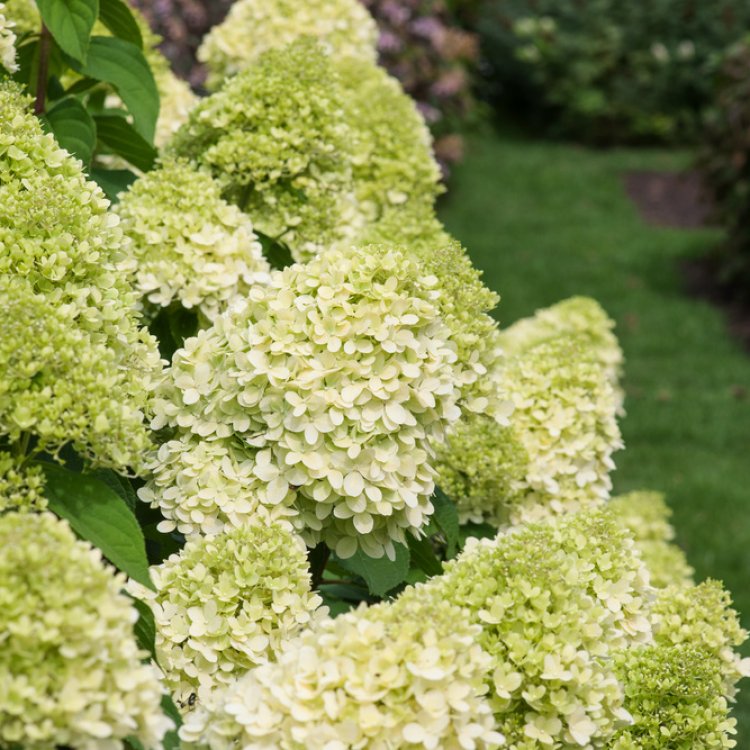
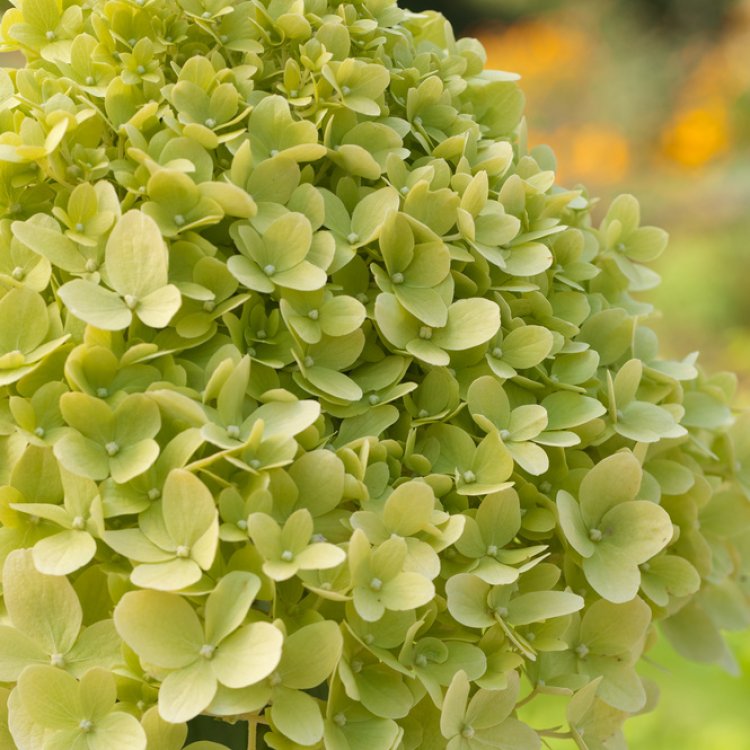
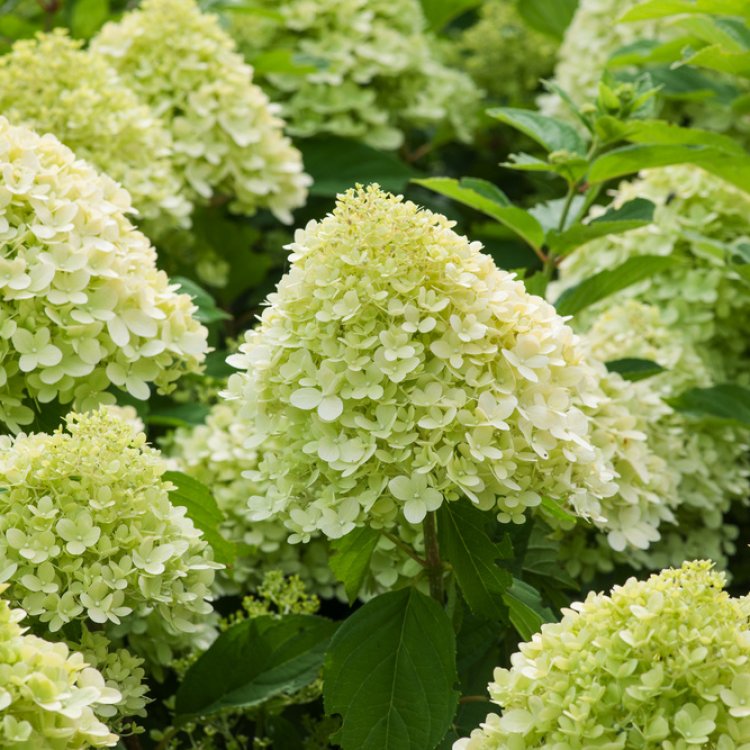
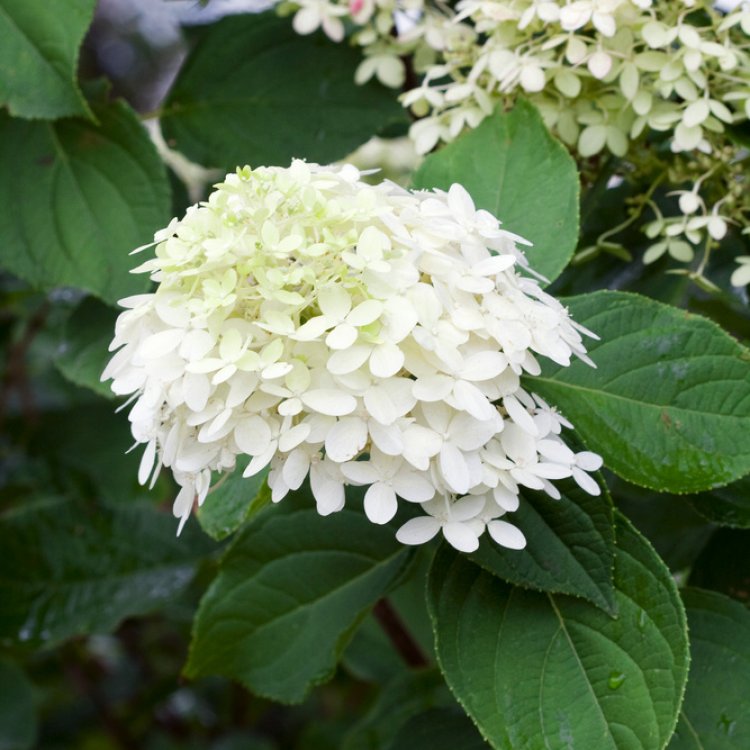
Hydrangea paniculata ‘Limelight’ is a beautiful deciduous shrub, displaying large conical flowers that evolve from lime-green to shades of pink and red from summer to autumn. Perfect for UK gardens, it provides long-lasting colour and attracts pollinators.
500 in stock
Discover Hydrangea paniculata ‘Limelight’, a truly stunning deciduous shrub. Its vibrant blooms bring a spectacular display to any UK garden throughout summer and autumn.
Hydrangea paniculata ‘Limelight’ offers an exceptional spectacle in the British garden. This popular cultivar is celebrated for its distinctive lime-green flowers, which mature beautifully as the season progresses. It’s a robust and reliable choice for adding late-season colour and structure. Originating from Asia, the species Hydrangea paniculata has given rise to many impressive cultivars. ‘Limelight’ stands out for its unique colour transformation and adaptability, hence its widespread appeal among gardeners.
Hydrangea paniculata ‘Limelight’ provides a magnificent floral display. From July right through to October, its large, conical flower heads emerge. These start a fresh lime-green colour. As summer deepens and autumn arrives, the blooms gradually transform. They develop stunning shades of pink, then rose, and finally deep red.
This extended period of colour adds real value to any planting scheme. The name ‘paniculata’ describes its distinctive flower shape. It means “having panicles,” referring to these cone-like clusters of blooms. Therefore, ‘Limelight’ truly lives up to its name with its vibrant, long-lasting blossoms.
The foliage of Hydrangea paniculata ‘Limelight’ is equally appealing. It features broad, oval, mid-green leaves that provide a lush backdrop to the showy flowers. These leaves turn yellow in autumn before falling, marking it as a deciduous shrub. The plant forms a sturdy, upright framework. This creates a bold structural presence in the garden, even when it is not in flower. Its strong stems reliably hold the large blooms aloft.
Gardeners value ‘Limelight’ Hydrangea for its versatility. It makes an excellent specimen plant, standing proudly alone. You can also use it to create an impactful informal hedge or incorporate it into a mixed border. Furthermore, its robust nature means it tolerates various conditions well. This makes it a dependable choice for many garden designs. The plant’s ability to thrive in urban settings also increases its appeal.
Hydrangea paniculata ‘Limelight’ truly benefits from regular pruning. Gardeners perform this task in late winter or early spring. You should cut back the previous year’s growth by one-third to two-thirds. This encourages the plant to produce stronger stems and larger flower heads. It also helps maintain a desirable size and shape. Skipping this step results in smaller blooms and a less vigorous plant over time. Proper pruning ensures a spectacular display each year.
This wonderful shrub also offers great benefits to local wildlife. Its numerous flowers attract a variety of pollinators. Bees and butterflies visit the blooms frequently, seeking nectar. Therefore, planting Hydrangea paniculata ‘Limelight’ supports biodiversity in your garden. It provides a valuable food source during the late summer and autumn months. This contributes positively to the garden ecosystem.
Hardy in all of the UK and northern Europe. Suitable for exposed sites.
Hydrangea paniculata 'Limelight' thrives with minimal fuss in UK gardens. Plant in well-drained, fertile soil, ideally in full sun to partial shade. Ensure consistent moisture, especially during dry periods and while the plant establishes, by watering deeply. Apply a balanced, general-purpose fertiliser in early spring to support vigorous growth and abundant flowering. Prune in late winter or early spring before new growth appears. Cut back old flower heads and up to one-third of the previous year's stems to encourage larger blooms and maintain a desirable shape. Mulching around the base in spring helps retain soil moisture and suppress weeds.
This plant is deciduous so it will lose all of its leaves in the autumn and get fresh new foliage each spring.