£8.24 – £9.67Price range: £8.24 through £9.67
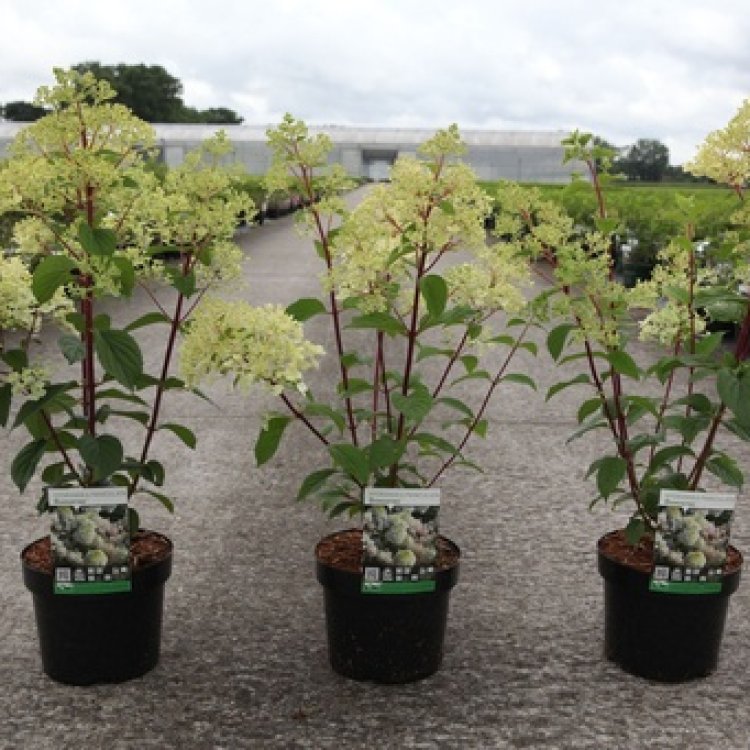
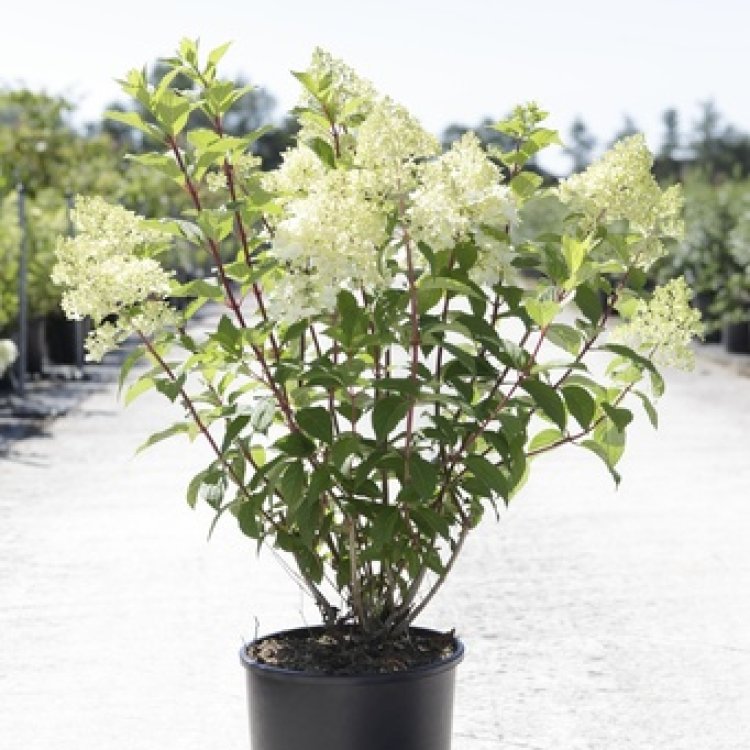
Hydrangea paniculata Diamantino offers robust, cone-shaped blooms that emerge white, then transform through shades of pink, adding vibrant colour to UK gardens from summer to autumn. This compact panicle hydrangea suits borders or pots beautifully.
90 in stock
Discover Hydrangea paniculata Diamantino, a captivating panicle hydrangea, celebrated for its robust blooms and season-long garden interest across the UK.
This award-winning cultivar offers a stunning display, transforming throughout the growing season. From its strong, compact growth habit to its remarkable flower colour changes, the Diamantino is a superb choice for a variety of garden settings. It provides excellent visual appeal and structure, furthermore, it’s known for its reliability and ease of care, making it a favourite among British gardeners.
The botanical name Hydrangea paniculata indicates its origins in eastern Asia, particularly China and Japan, where it thrives in various environments. The ‘Diamantino’ cultivar was developed for its outstanding garden performance and aesthetic qualities. Its name, derived from ‘diamant’ (diamond), likely alludes to the brilliant, sparkling quality of its flowers, especially when they first unfurl. This panicle hydrangea features mid-green, oval leaves which provide a lush backdrop for the impressive floral show.
Hydrangea paniculata Diamantino produces abundant, large, conical flower heads. Initially, these blooms present as a fresh lime-green, swiftly maturing to a bright, clean white. As summer progresses into autumn, the flowers gradually deepen, blushing with shades of soft pink before finally settling into a rich, deep red. Consequently, this provides an extended period of colour and interest in the garden. The foliage remains vibrant throughout the growing season, turning to soft yellows in autumn before falling, as this is a deciduous shrub.
Thanks to its compact size and strong structure, Hydrangea paniculata Diamantino is incredibly versatile in UK gardens. It performs admirably as a striking specimen plant, commanding attention in a mixed border or patio container. Furthermore, multiple plants can be grouped to create a colourful, low hedge or mass planting. The sturdy stems ensure that the heavy flower heads remain upright, even after rain. This resilient shrub also serves as a valuable resource for local wildlife. Its numerous florets provide accessible nectar and pollen, drawing in bees and butterflies, thereby supporting garden biodiversity.
To ensure the best flowering display and maintain a desirable shape, pruning Hydrangea paniculata cultivars like Diamantino is beneficial. This is typically carried out in late winter or early spring, just before new growth begins. Old, spent flower heads can be removed, and the plant can be cut back to a framework of strong, healthy stems. This encourages vigorous new growth, which in turn produces larger and more abundant blooms for the forthcoming season.
Hardy in all of the UK and northern Europe. Suitable for exposed sites.
For best results, plant Hydrangea paniculata Diamantino in a location with moist, well-drained soil, enriched with organic matter. Water regularly, especially during dry spells and in its first year, to establish a strong root system. A general-purpose slow-release fertiliser can be applied in spring. Pruning is best performed in late winter or early spring before new growth emerges; cut back previous year's growth to strong buds to encourage abundant flowering. Deadheading spent flowers is not strictly necessary but can improve appearance.
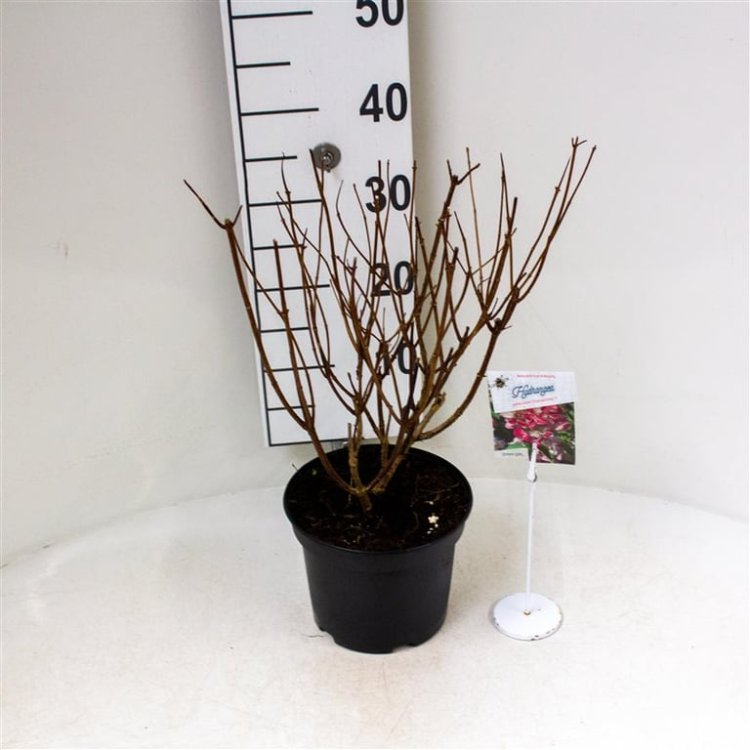
This plant is deciduous so it will lose all of its leaves in the autumn and get fresh new foliage each spring.