£3.02 – £4.43Price range: £3.02 through £4.43
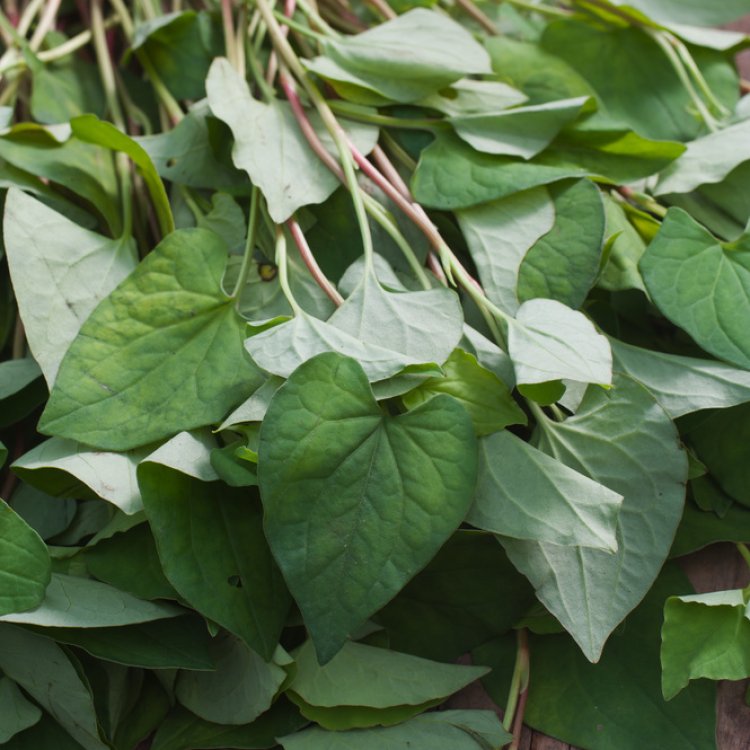
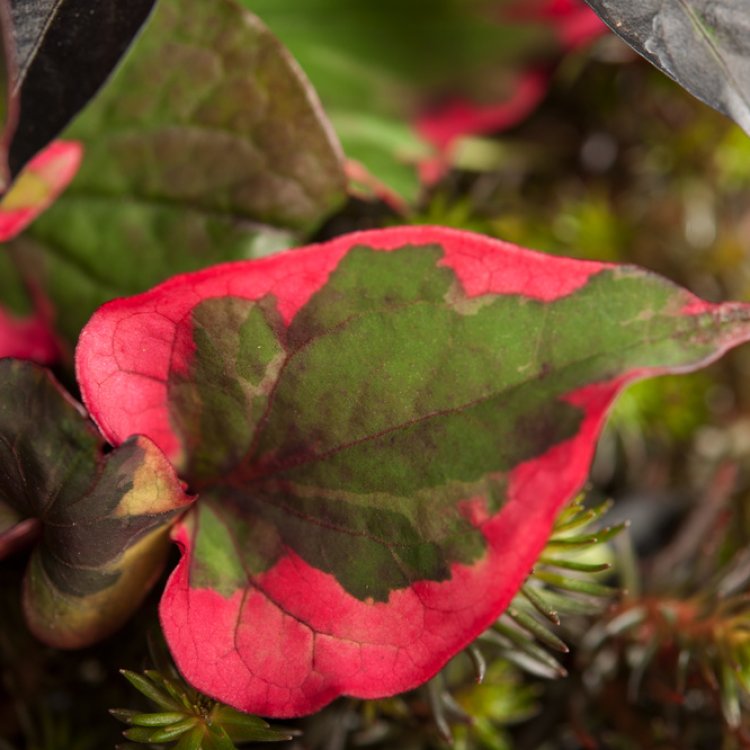
Houttuynia cordata, the Chameleon Plant, offers vibrant, heart-shaped foliage in green, red, and yellow. Perfect for moist groundcover or pond margins, its colourful leaves create a striking display. This vigorous perennial brings unique texture and a lively palette to your garden spaces.
77 in stock
Discover Houttuynia cordata, often called Chameleon Plant, a truly distinctive and vibrant herbaceous perennial perfect for adding unique colour to your garden.
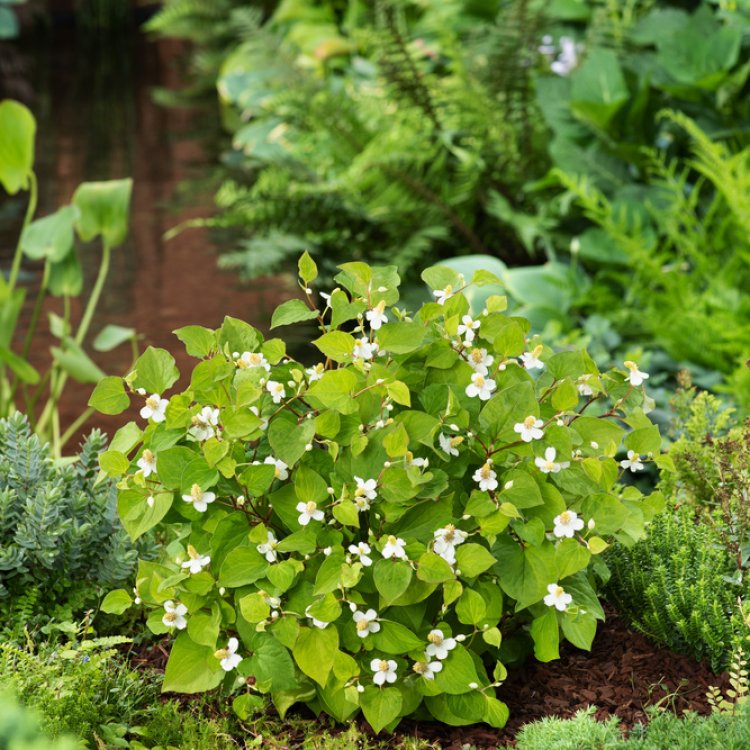
Houttuynia cordata brings a splash of unique vibrancy to UK gardens, especially the popular ‘Chameleon’ cultivar. Gardeners cherish this plant for its striking foliage, showcasing an array of green, red, pink, and yellow hues. It thrives in moist, even boggy, conditions, making it an excellent choice for pond margins, bog gardens, or containers. Its vigorous growth ensures quick coverage, creating a mesmerising tapestry of colour where other plants might struggle. Consequently, it offers a dynamic visual interest throughout the growing season.
The name Houttuynia cordata honours Martin Houttuyn, a notable Dutch naturalist. Its specific epithet, ‘cordata’, originates from Latin, meaning heart-shaped, a clear reference to its distinct leaf form. The common name, Chameleon Plant, perfectly describes the ever-changing colours of its leaves, especially in the ‘Chameleon’ cultivar. This particular variety is also known as ‘Tricolor’ or ‘Harlequin’, reflecting its striking palette.
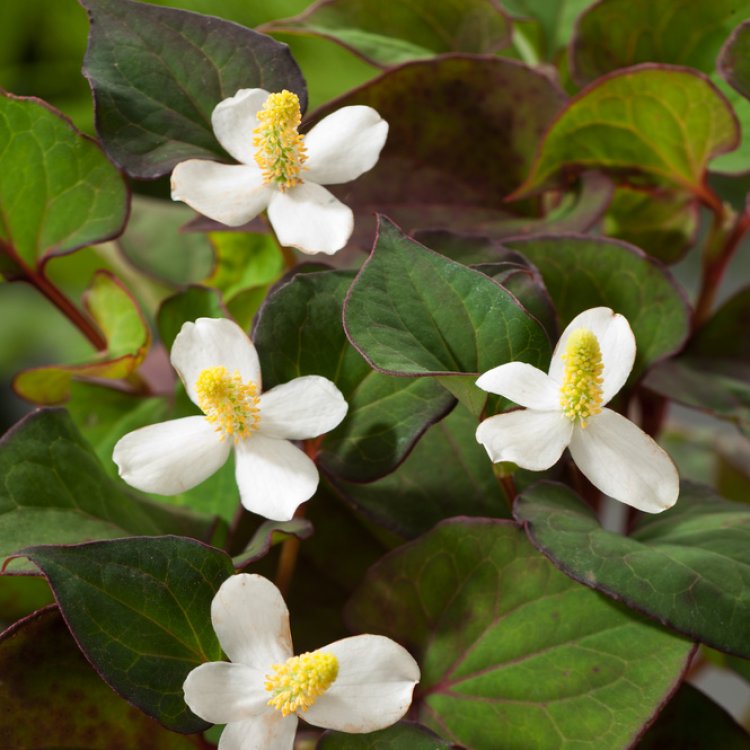
While Houttuynia cordata produces small, inconspicuous white flowers in summer, it is the foliage that truly captures attention. The heart-shaped leaves display a breathtaking mix of colours, from deep green to bright red, creamy yellow, and soft pink. These colours often intensify with more sun exposure. Furthermore, crushing the leaves releases a distinctive, somewhat fishy aroma, giving rise to its other common name, Fish Mint.
This resilient perennial is an exceptional choice for various garden settings. Use it as an eye-catching groundcover in areas with consistently moist soil. Its spreading habit makes it highly effective for naturalising around pond edges or in bog gardens, where its vigour can be embraced. If you wish to contain its spread, plant Houttuynia cordata in pots or containers; this also allows for impressive displays on patios. This plant does not require specific pruning for shaping; however, cutting it back after flowering can help to rejuvenate the foliage and manage its enthusiastic growth. Though not a primary draw for pollinators, its dense growth provides shelter and ground cover, contributing to garden biodiversity.
Hardy across most of the UK except particularly exposed or cold regions.
Houttuynia cordata thrives in consistently moist to wet soil, making it ideal for bog gardens or pond margins. Water regularly, especially in drier conditions, to prevent the soil from drying out. Fertilising is generally not necessary in fertile soil, but a light application of balanced feed in spring can benefit plants in containers. Cut back any old or unsightly foliage in autumn or early spring to encourage fresh growth. To control its vigorous, spreading habit, plant it within a root barrier or in containers.
This plant is deciduous so it will lose all of its leaves in the autumn and get fresh new foliage each spring.