
£4.86 – £5.58Price range: £4.86 through £5.58
Hosta ‘Blue Mouse Ears’ is a delightful dwarf perennial, boasting unique, thick, blue-green, cupped leaves resembling mouse ears. Enjoy its superb slug resistance and delicate summer flowers, perfect for shaded spots and containers in UK gardens.
1471 in stock
Discover Hosta ‘Blue Mouse Ears’, a delightful dwarf perennial celebrated for its unique, thick, blue-green foliage that truly resembles a tiny mouse’s ears.
Hosta ‘Blue Mouse Ears’ offers charm and character to any UK garden. This compact plant boasts an endearing appearance with its distinctively cupped, rounded leaves. Gardeners prize this variety for its toughness and ability to thrive in shadier spots. Furthermore, its slug-resistant foliage ensures lasting beauty throughout the growing season, bringing joy year after year. It forms a neat, attractive mound, ideal for smaller spaces.
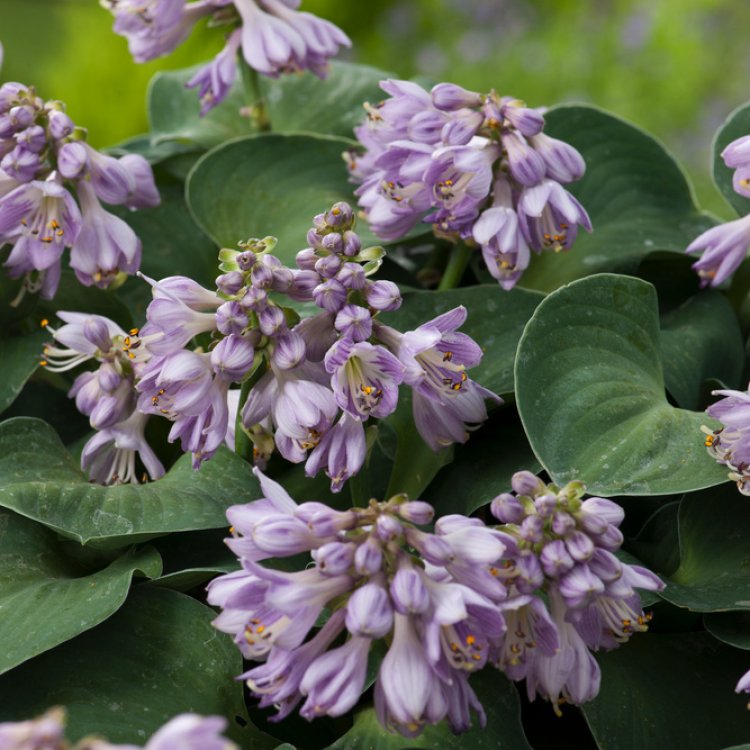
Hosta ‘Blue Mouse Ears’ truly stands out with its remarkable foliage. Each leaf presents a charming blue-green hue, often developing an intense blue tone in shadier conditions. Furthermore, the leaves are notably thick and firm to the touch. This particular trait gives them excellent resistance against slugs and snails, a common pest for many Hosta varieties.
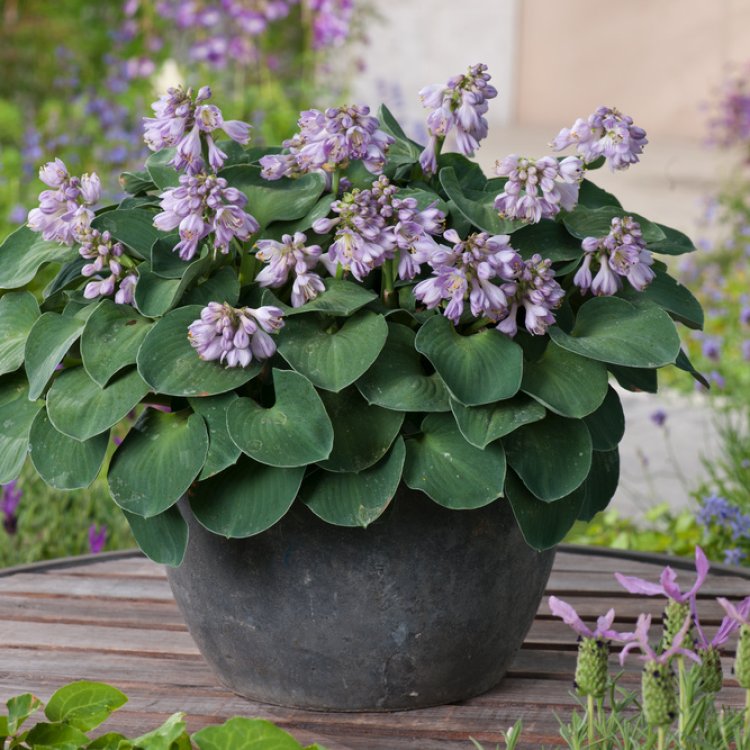
The small, heart-shaped leaves cup upwards. This shape gives rise to its charming name. Indeed, they perfectly mimic the adorable ears of a small mouse.
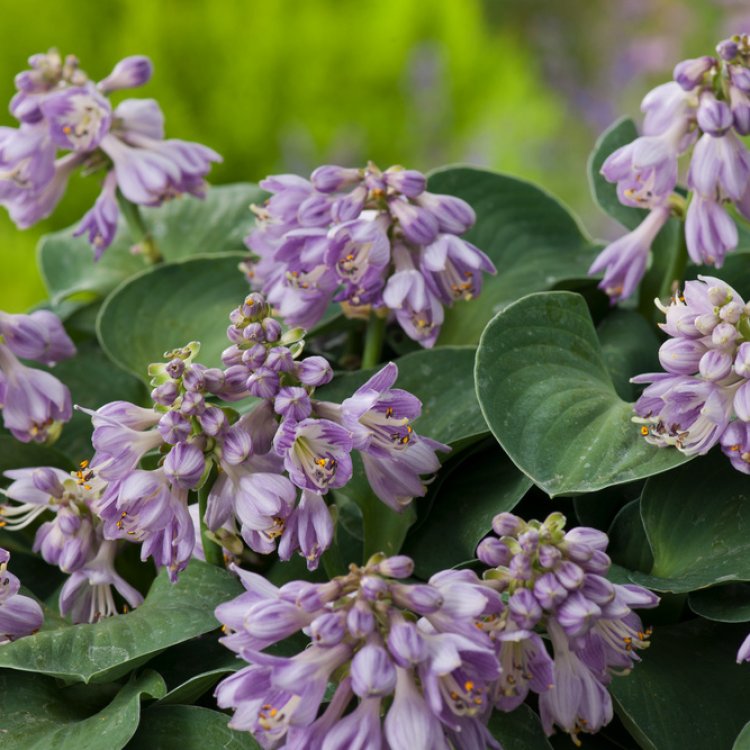
In summer, typically around June and July, Hosta ‘Blue Mouse Ears’ produces elegant flower spikes. These slender stalks emerge above the compact foliage. Delicate, bell-shaped lavender flowers adorn each scape.
These subtle blooms add a gentle splash of colour. They beautifully complement the plant’s stunning leaves. Moreover, bees and other pollinators often visit these flowers, making the plant a friendly addition for local wildlife. This compact size makes it versatile for many garden settings.
Hosta ‘Blue Mouse Ears’ excels in various garden applications. Its diminutive stature makes it perfect for containers. This allows you to showcase its unique form on patios or balconies. Additionally, it creates a superb edging plant for shaded borders.
You can also incorporate it into rock gardens or place it at the front of larger flower beds. This Hosta adapts well to woodland garden schemes, too. It provides consistent texture and colour beneath deciduous trees or larger shrubs.
This Hosta cultivar is a robust and low-maintenance plant. It prefers a spot with partial to full shade. It thrives where other plants might struggle. Well-drained, moist soil helps it flourish, ensuring healthy growth each season.
As an herbaceous perennial, Hosta ‘Blue Mouse Ears’ dies back in winter. However, it reliably re-emerges with fresh new foliage every spring, offering consistent beauty without fuss. This hardy plant requires minimal pruning; simply remove any spent flower stalks after blooming.
Hardy in the harshest UK conditions and below. Suitable for mountain regions.
Water regularly, especially during dry periods, to keep the soil consistently moist. While 'Blue Mouse Ears' offers good slug resistance, protect young plants from slugs and snails. Remove spent flower spikes to maintain a tidy appearance. In late autumn or winter, clear away old, dead foliage. Apply a layer of organic mulch around the base in spring to retain moisture and suppress weeds.
This plant is deciduous so it will lose all of its leaves in the autumn and get fresh new foliage each spring.