£11.14 – £12.55Price range: £11.14 through £12.55
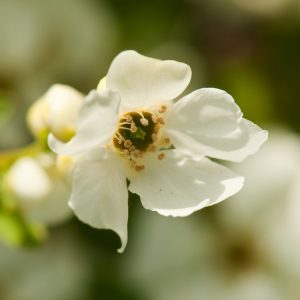
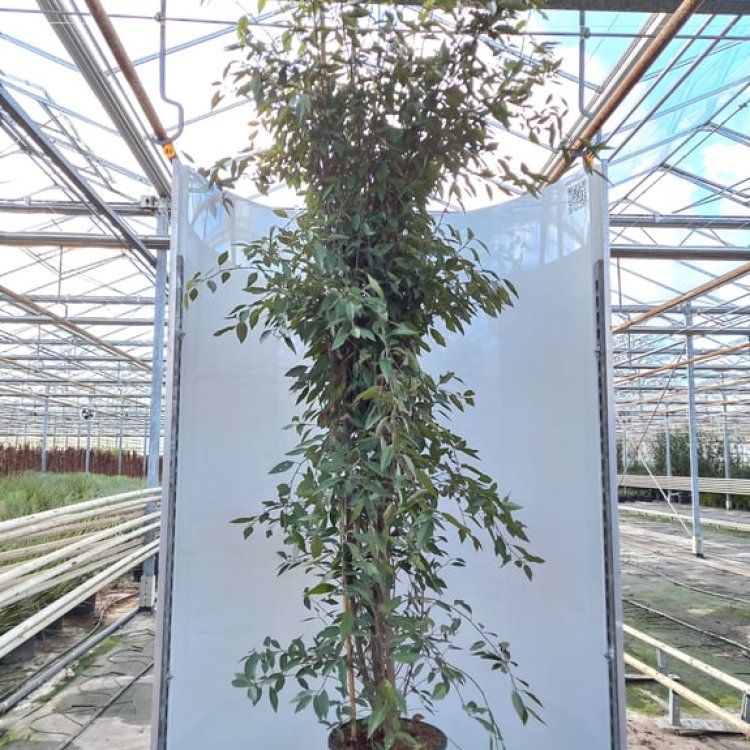
Hoheria sexstylosa ‘Stardust’ is an evergreen tree offering year-round interest. It produces abundant white, star-shaped flowers in late summer, attracting pollinators. This elegant Lacebark is ideal for a UK garden.
225 in stock
Hoheria sexstylosa ‘Stardust’ is an exquisite evergreen tree, ideal for UK gardens, known for its dazzling late summer floral display.
Hailing from New Zealand, this stunning lacebark variety brings an elegant, architectural presence to any outdoor space. It’s a hybrid, specifically Hoheria sexstylosa x Hoheria lyallii, offering improved hardiness and floriferousness. Its distinctive white, star-like blooms create a truly memorable sight, hence the name ‘Stardust’. This adaptable plant flourishes in a range of UK garden settings, providing year-round beauty.
Hoheria sexstylosa ‘Stardust’ truly captivates with its delicate yet abundant beauty. Each small, dark green leaf boasts a subtle gloss, providing a lush backdrop throughout the year. As summer gently transitions into autumn, this magnificent plant bursts into life with a spectacular show. Countless pure white, star-shaped flowers emerge in dense clusters. They cover the branches, creating a stunning “stardust” effect. These blooms not only look beautiful but also emit a gentle fragrance, adding another layer of sensory delight to your garden experience.
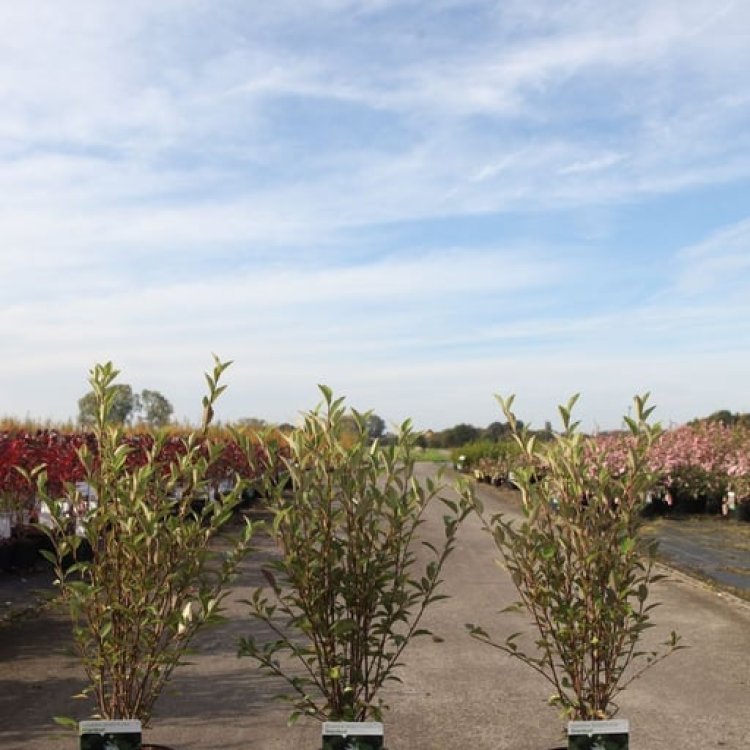
This lovely evergreen shrub or small tree offers continuous visual appeal. Its dense foliage ensures privacy and structure, even during colder months. The plant’s distinctive charm makes it a superb focal point. Furthermore, its elegant form blends seamlessly into various garden styles.
Hoheria sexstylosa ‘Stardust’ proves remarkably versatile for diverse UK garden conditions. It thrives best in a position receiving full sun or partial shade. Ensure your chosen spot offers well-drained soil. This plant adapts well to most soil types, including loam, sand, and silt. Once established, it shows good drought tolerance. However, young plants benefit from regular watering.
Gardeners often choose Hoheria sexstylosa ‘Stardust’ for its striking presence. It works wonderfully as an elegant specimen tree, commanding attention in a lawn. Similarly, plant it within a mixed border, where its height and evergreen nature provide excellent structure. It can also form an effective, attractive screen. This helps to create seclusion in your outdoor space. Moreover, the nectar-rich flowers are a magnet for bees and other vital pollinators. This boosts biodiversity within your garden ecosystem. Light pruning after flowering can help maintain its neat shape. Avoid heavy pruning, as this plant generally prefers minimal intervention.
Hardy across most of the UK except particularly exposed or cold regions.
Hoheria sexstylosa 'Stardust' is generally low maintenance. Water regularly during its first year to help establish a strong root system. Once established, it is fairly drought tolerant. Apply a general-purpose fertiliser in spring and mulch around the base with organic matter to retain moisture and suppress weeds. Pruning is not usually essential, but you can lightly trim after flowering in autumn to maintain a desired shape or to remove any damaged or unruly branches.