£5.96 – £8.32Price range: £5.96 through £8.32
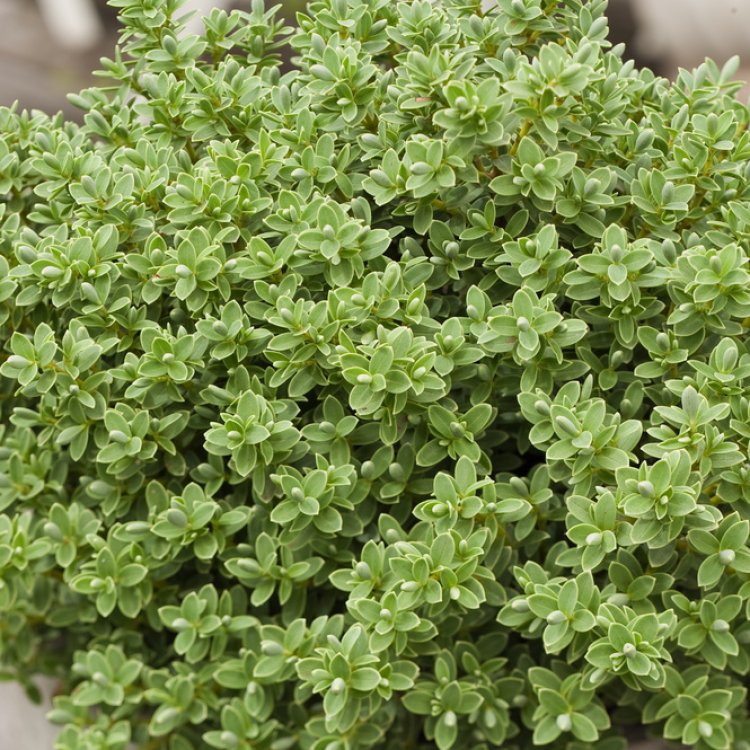
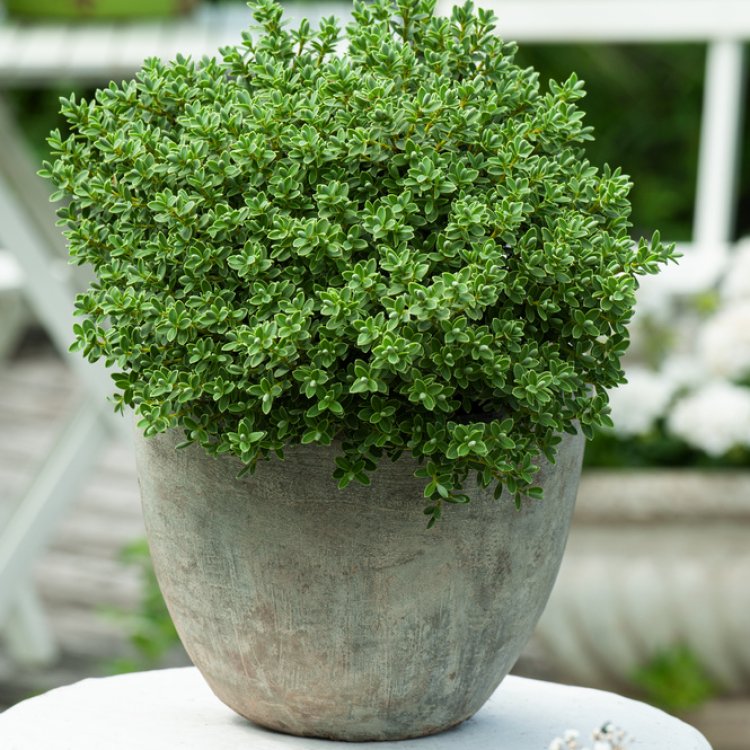
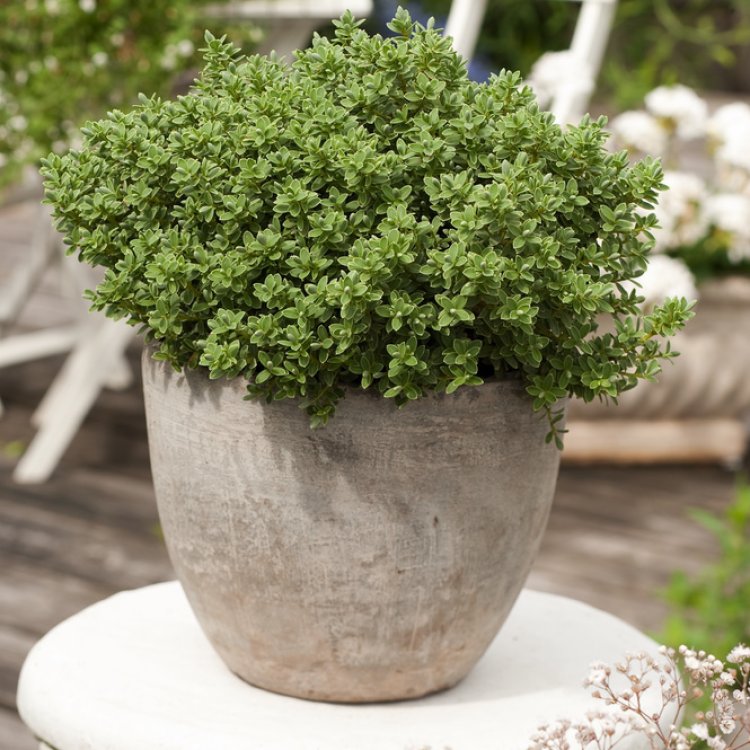
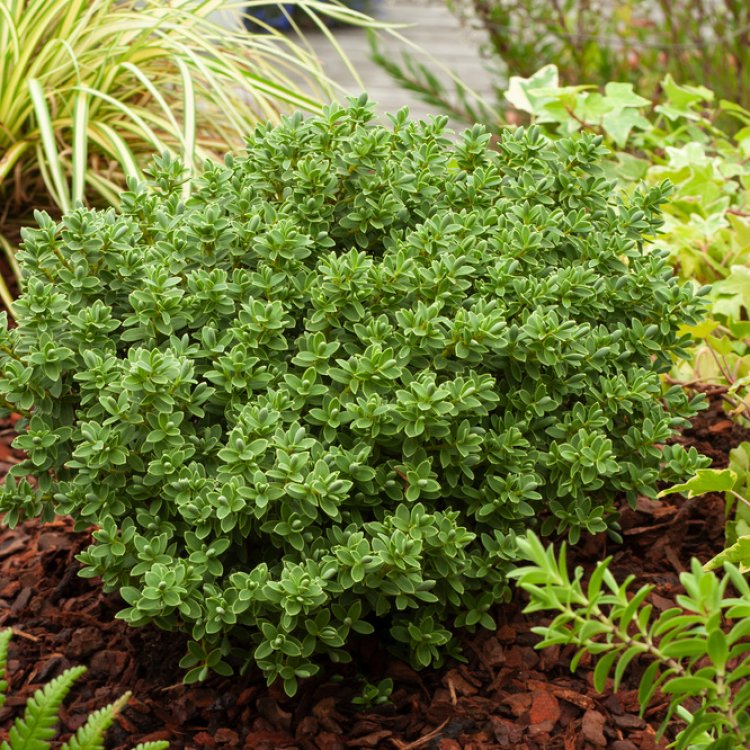
Hebe pinguifolia ‘Sutherlandii’ is a charming evergreen shrub providing year-round interest. Its glaucous grey-green leaves and small white flowers bring subtle elegance to any UK garden. This compact plant is perfect for borders, rock gardens, or containers.
4882 in stock
Discover Hebe pinguifolia ‘Sutherlandii’, a superb evergreen shrub. It provides year-round structure and beauty, ideal for UK gardens.
This charming Hebe cultivar brings subtle elegance to garden designs. Its compact, rounded form makes it perfect for smaller plots or front of borders. The plant offers reliable interest through all seasons. You will appreciate its neat appearance and easy-going nature. Gardeners across the UK value its hardiness and adaptability. Consequently, it has become a popular choice for many planting schemes.
The genus Hebe receives its name from Hebe, the Greek goddess of youth. Furthermore, the species epithet ‘pinguifolia’ means ‘fat-leaved’ or ‘greasy-leaved’. This refers to the plant’s distinct, fleshy foliage. The specific cultivar ‘Sutherlandii’ honours its place of origin or a key individual in its discovery.
Hebe pinguifolia ‘Sutherlandii’ showcases stunning glaucous grey-green leaves. These small, lance-shaped leaves grow tightly on its reddish stems. The evergreen foliage ensures consistent colour and texture throughout the year. This provides valuable structural interest during colder months. Moreover, the dense leaf growth creates a soft, cushion-like appearance.
During late spring and early summer, small white flowers emerge. They often show a delicate lilac or pink tint. These charming blooms gather in short, upright spikes. Bees and butterflies are drawn to these flowers, making the Hebe pinguifolia ‘Sutherlandii’ a valuable addition. Thus, it supports local wildlife populations in your garden.
This adaptable shrub suits various garden roles. Plant it at the front of a mixed border for definition. Its compact size makes it an excellent choice for rock gardens. You can also use Hebe pinguifolia ‘Sutherlandii’ for path edging. Additionally, it thrives in containers, adding structure to patios or balconies. It performs well in gravel gardens too. Therefore, it fits many different styles.
This compact shrub requires minimal pruning. A light trim after flowering helps maintain its neat shape. Remove any dead or damaged stems to encourage healthy growth. This simple care routine keeps the plant looking its best. Consequently, gardeners enjoy its low-maintenance nature.
Hardy across most of the UK except particularly exposed or cold regions.
Hebe pinguifolia 'Sutherlandii' thrives with minimal care. Water regularly during its first growing season to establish strong roots, after which it becomes more drought tolerant. Feed with a balanced general-purpose fertiliser in spring to encourage healthy growth. Prune lightly after flowering, typically in summer, to maintain its compact shape and remove any spent flower spikes or dead/damaged stems. This plant is generally pest and disease-free but ensure it is planted in well-drained soil to prevent root rot. While hardy in most UK climates, a protective mulch around the base can benefit plants in exposed areas during exceptionally harsh winters.