£3.04 – £5.40Price range: £3.04 through £5.40
Hebe pimeleoides is a compact evergreen shrub, perfect for UK gardens. It showcases distinctive glaucous blue-green leaves, often with purple tints, and delicate pale lilac flowers in early summer. This low-maintenance Hebe offers year-round visual appeal and attracts pollinators.
500 in stock
Discover Hebe pimeleoides, a delightful evergreen shrub bringing year-round charm to UK gardens with its unique foliage and delicate summer blooms.
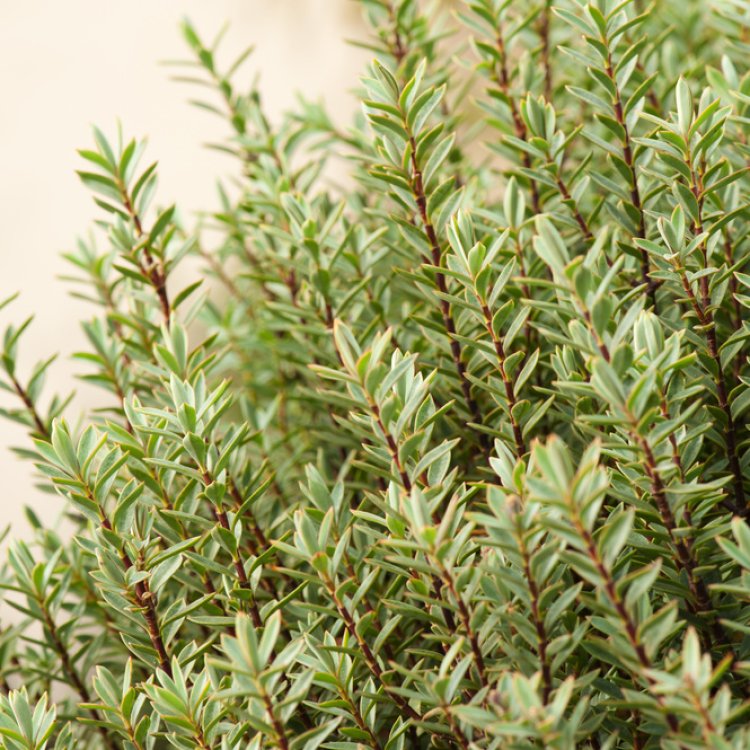
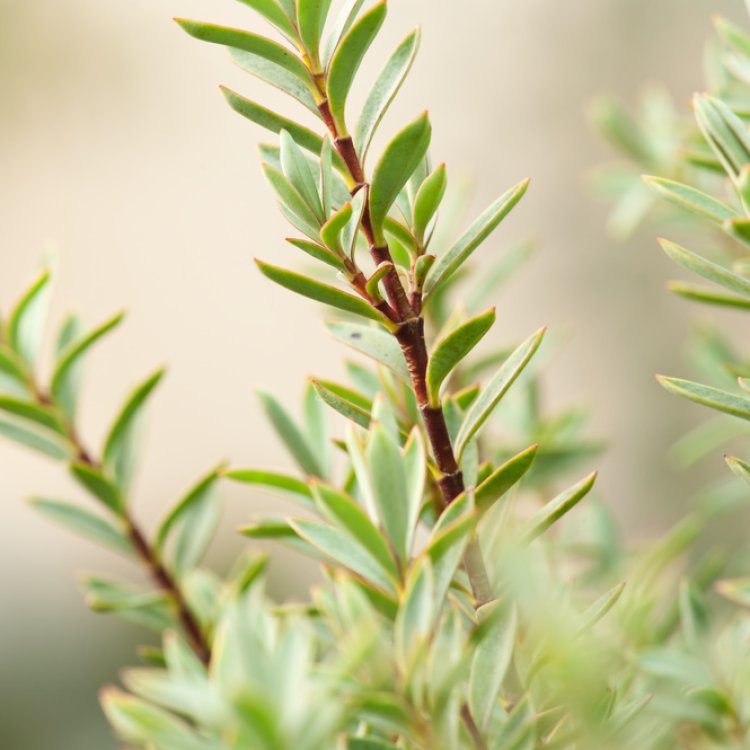
Hebe pimeleoides, a captivating New Zealand native, offers understated beauty for many garden settings. This compact evergreen shrub features unusual glaucous blue-green leaves. These leaves often develop attractive purple tints. In early summer, it produces delicate spikes of pale lilac to white flowers. Gardeners often appreciate its low-maintenance nature. It truly makes an excellent choice, adding texture and colour to borders or rock gardens throughout the year.
This particular Hebe species originates from the diverse landscapes of New Zealand. Its name, Hebe, comes from the Greek goddess of youth. This reflects the fresh, vibrant look of many plants in this genus. The specific epithet, pimeleoides, means “resembling Pimelea.” It refers to another genus of plants with similar leaf structures. Thus, its botanical name tells a story of origin and characteristics.
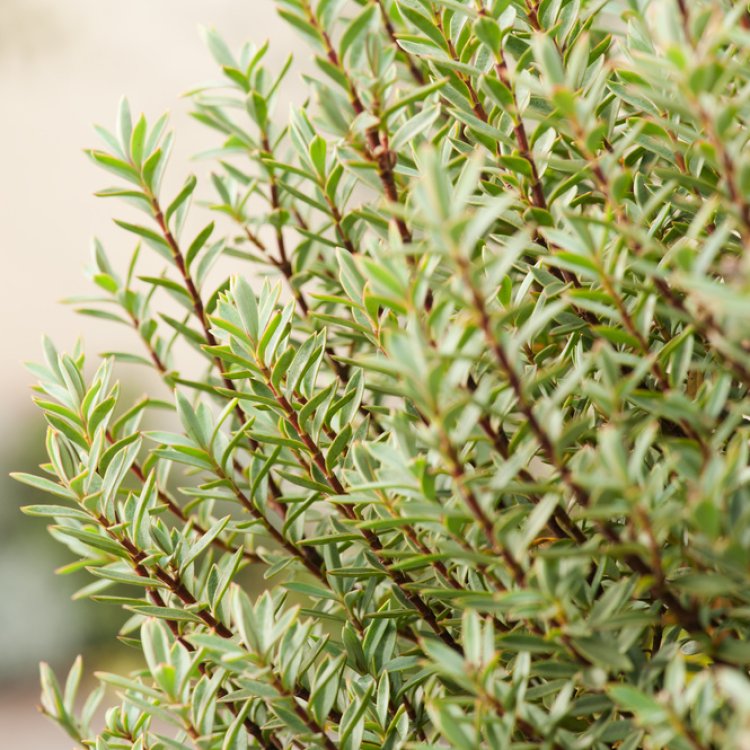
The main attraction of Hebe pimeleoides is its striking foliage. Its tiny leaves are a captivating glaucous blue-green, providing excellent garden contrast. Often, these leaves take on appealing purple hues, especially in cooler weather or full sun. This evergreen shrub retains its attractive colour all year round. The foliage forms a dense, neat mat, creating a wonderful ground-cover effect.
During late spring and early summer, typically from May through to July, Hebe pimeleoides bursts into bloom. It produces charming short spikes of small, delicate flowers. These blooms range in colour from pale lilac to pure white. While individual flowers are tiny, their collective appearance creates a soft, airy display. Moreover, these gentle flowers are a magnet for local pollinators, including bees. This helps support garden ecosystems.
Hebe pimeleoides thrives in a range of well-drained environments. Therefore, it makes a superb choice for rock gardens. Here, its compact habit complements stones and alpine plants. It also performs well at the front of borders. It provides year-round structure and colour there. Consider planting it in gravel gardens for a naturalistic feel. Alternatively, use it in containers where its unique foliage can be admired close up. Its spreading nature also makes it useful for ground cover on banks or slopes.
Maintaining Hebe pimeleoides is remarkably simple. It generally requires minimal pruning. A light trim after flowering helps maintain its tidy shape. This also encourages bushier growth. This simple task will ensure your plant remains compact and attractive. Due to its robust nature, it is a fantastic addition to any UK garden, providing beauty with little fuss. This resilient shrub offers beauty and ease for gardeners seeking reliable performance.
Hardy across most of the UK except particularly exposed or cold regions.
Water regularly during its first year to establish strong roots. Once established, Hebe pimeleoides is remarkably drought-tolerant, requiring less frequent watering. This plant generally has low nutrient requirements; a light application of a balanced slow-release fertiliser in spring can promote healthy growth and flowering. Conduct light pruning after its flowering period, typically in late summer. This helps maintain a compact, tidy shape and encourages the development of new, bushy growth. Remove any dead, damaged, or unruly stems to keep the plant vigorous and attractive. Hebe pimeleoides is hardy throughout most of the UK (RHS H4). However, in colder, more exposed gardens, particularly when the plant is young, a protective mulch around the base can provide extra insulation against severe frosts. This Hebe is generally robust and trouble-free. Occasionally, it may experience minor issues with aphids or leaf spot, but these are rarely severe and can be managed with appropriate organic treatments if necessary. Ensure good air circulation to minimise fungal problems.