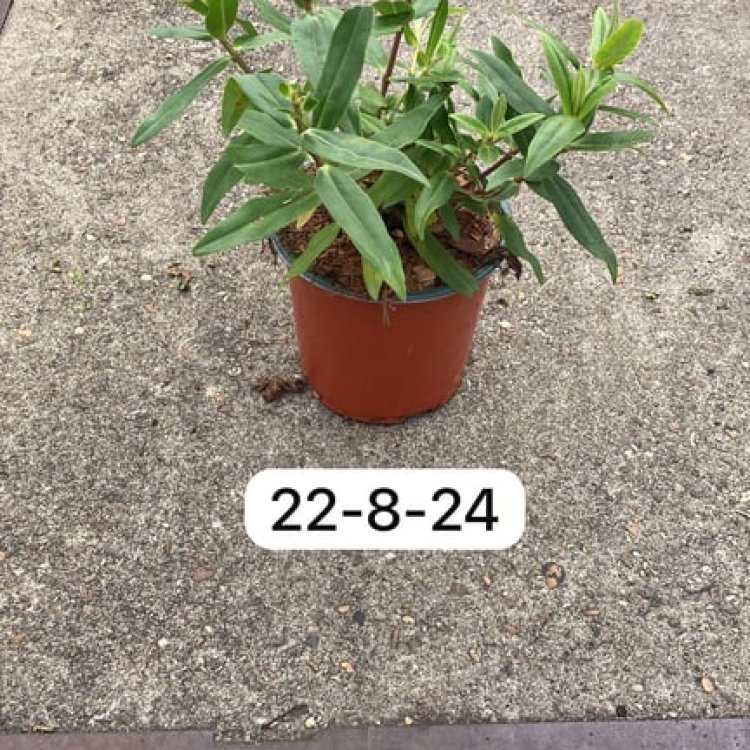
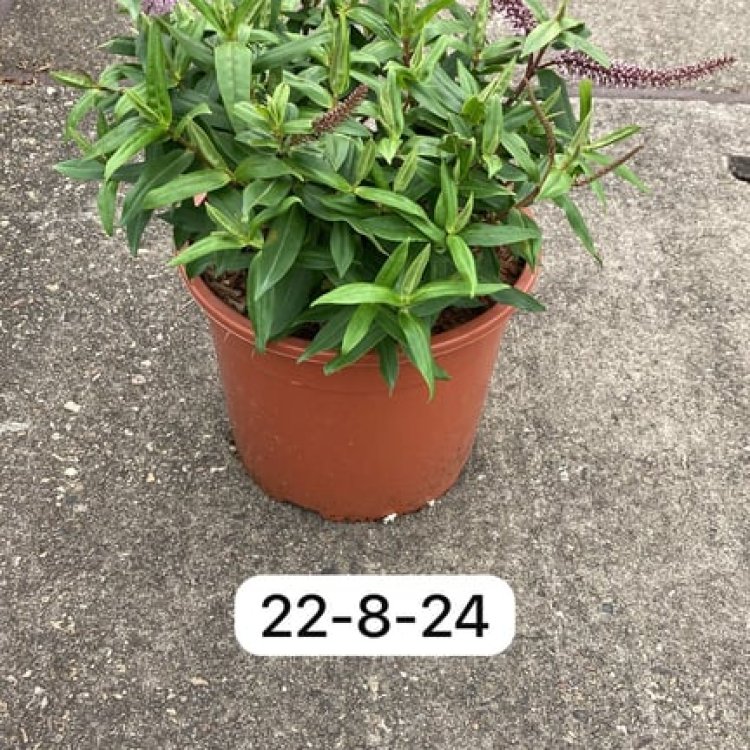
£4.84 – £5.54Price range: £4.84 through £5.54
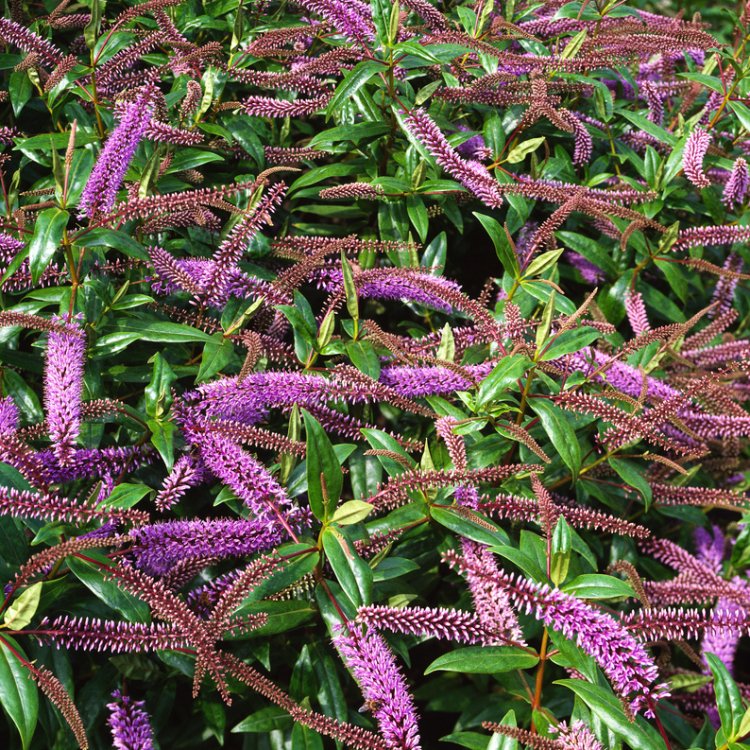
Hebe ‘Midsummer Beauty’ is a superb evergreen shrub, bringing vibrant purple-pink flower spikes from midsummer into autumn. Enjoy its glossy dark green foliage and discover how it attracts bees and butterflies, adding beauty and life to your UK garden.
409 in stock
Discover Hebe ‘Midsummer Beauty’, an exceptional evergreen shrub delivering a long season of beautiful purple-pink flowers for your UK garden. A truly delightful addition.
This superb Hebe, aptly named for its generous summer display, offers year-round interest. Its striking floral spikes bring a burst of colour to any garden setting. Furthermore, its neat, evergreen foliage provides a wonderful backdrop, even in winter months. The Hebe ‘Midsummer Beauty’ stands out as a reliable and charming specimen. Consequently, it has become a popular choice for gardeners seeking effortless elegance and extended bloom.
Hebe ‘Midsummer Beauty’ belongs to a diverse genus of evergreen shrubs, primarily originating from New Zealand. This particular cultivar is celebrated for its robust nature and extended flowering season. Its botanical name, Hebe, honours the Greek goddess of youth, reflecting the fresh, vibrant appearance of many species. The specific cultivar name, ‘Midsummer Beauty’, precisely describes its peak blooming period during the warmer months, bringing enduring charm to British gardens.
The flowers are a true highlight of Hebe ‘Midsummer Beauty’. Long, elegant spikes emerge profusely from July, often continuing their display into October. These blooms showcase a lovely purple-pink hue, gradually softening to a delicate pale lilac as they mature. This continuous bloom ensures a captivating show for months. Furthermore, its dense, lance-shaped leaves are a rich, dark green, providing excellent evergreen structure. They offer year-round interest, holding their colour well through all seasons.
This versatile Hebe suits many garden styles and applications. It performs beautifully within mixed borders, creating a focal point with its vertical flower spikes. Gardeners also use it effectively in large containers on patios or balconies. Because of its bushy habit, it makes an excellent choice for informal hedging or screens, adding privacy and appeal. To maintain its neat shape and encourage continuous flowering, a light prune is beneficial after the main flush of blooms. Simply trim back spent flower spikes and any straggly growth.
Indeed, Hebe ‘Midsummer Beauty’ is a fantastic plant for supporting local wildlife. Its nectar-rich flowers are a magnet for bees, particularly bumblebees, which diligently visit the blooms. Additionally, various butterfly species are frequently observed fluttering around its colourful spikes. By planting this Hebe, you significantly contribute to your garden’s biodiversity, providing essential food sources for these important pollinators. This makes it a responsible and beautiful choice for any nature-conscious gardener.
Hardy across most of the UK except particularly exposed or cold regions.
Water Hebe 'Midsummer Beauty' regularly during dry spells until established. Feed with a balanced, slow-release fertiliser in spring. Lightly prune after the main flowering period to remove spent flowers and reshape, avoiding hard pruning into old wood. Generally trouble-free, it requires minimal pest or disease management. In very cold areas, a mulch layer can offer root protection.