£72.90 – £80.44Price range: £72.90 through £80.44
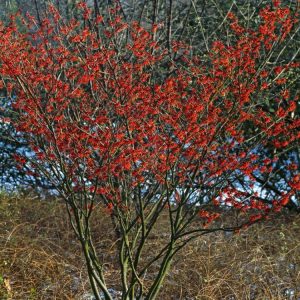
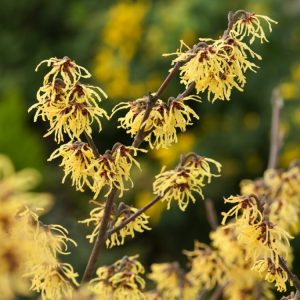
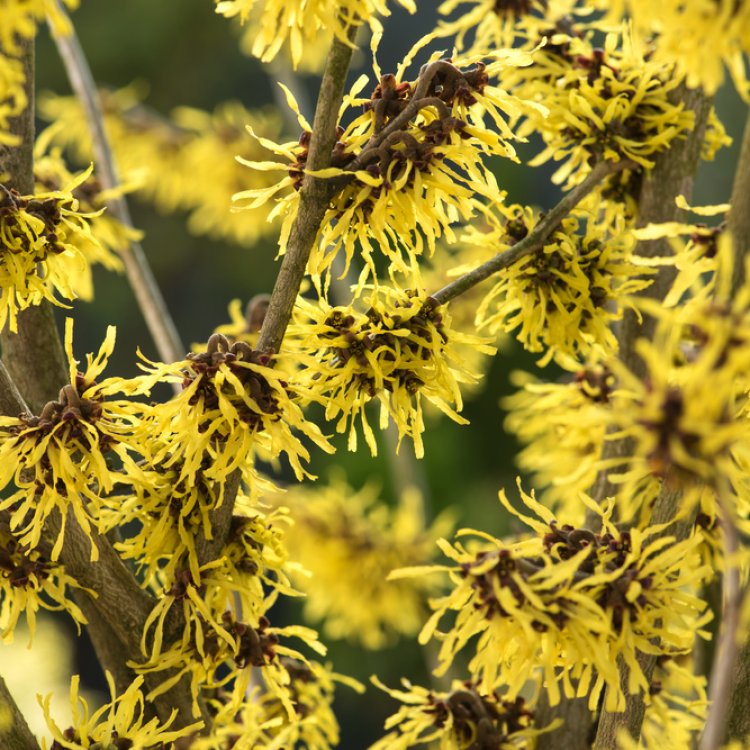
Hamamelis intermedia ‘Westerstede’, or Witch Hazel, delivers vibrant yellow, fragrant flowers in mid-winter to early spring. This deciduous shrub offers excellent autumn colour and provides vital early pollen for wildlife, perfect for UK gardens.
5 in stock
Discover Hamamelis intermedia ‘Westerstede’, a captivating Witch Hazel offering vibrant winter colour and unique, fragrant flowers for the UK garden.
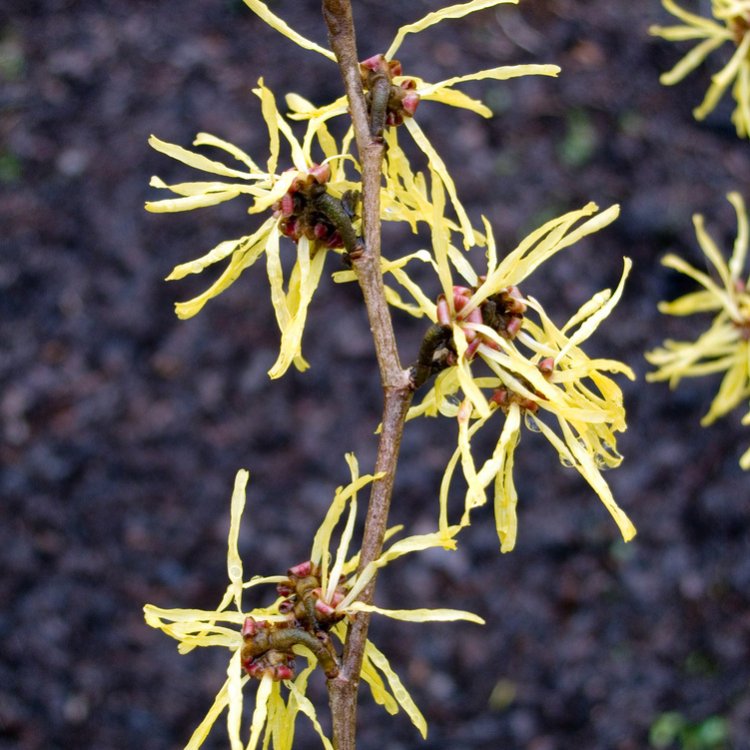
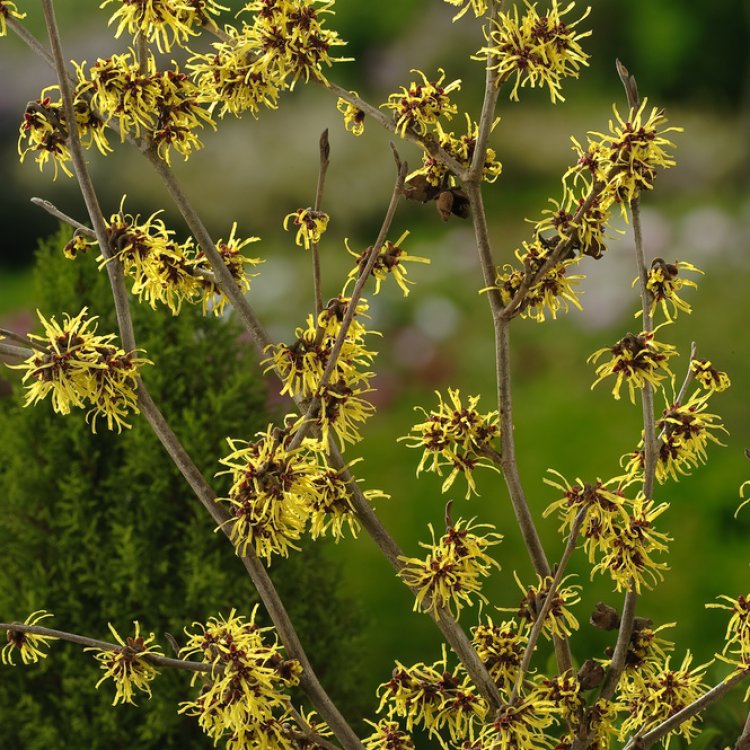
This striking deciduous shrub brings much-needed cheer to the colder months. Its unique, spidery blooms appear when most other plants are dormant, making it a true garden highlight. Enjoy a delightful, subtle fragrance that drifts on the winter air, inviting closer inspection. As a hybrid Witch Hazel, it offers robust growth and reliable flowering, proving a valuable asset in any temperate garden. Furthermore, its attractive autumn foliage adds another layer of seasonal interest before the winter spectacle begins.
Hamamelis intermedia ‘Westerstede’ is a superb cultivar resulting from a cross between Japanese Witch Hazel (Hamamelis japonica) and Chinese Witch Hazel (Hamamelis mollis). This hybrid origin, indicated by ‘intermedia’, means it combines desirable traits from both parents, creating a garden-worthy plant. The cultivar name ‘Westerstede’ likely refers to a location or nursery in Germany, where much Hamamelis breeding has occurred. Its bright yellow, slightly crinkled petals unfurl even in frosty conditions, creating an ethereal glow. Moreover, the flowers cling to the bare branches, ensuring maximum visual impact against a winter sky.
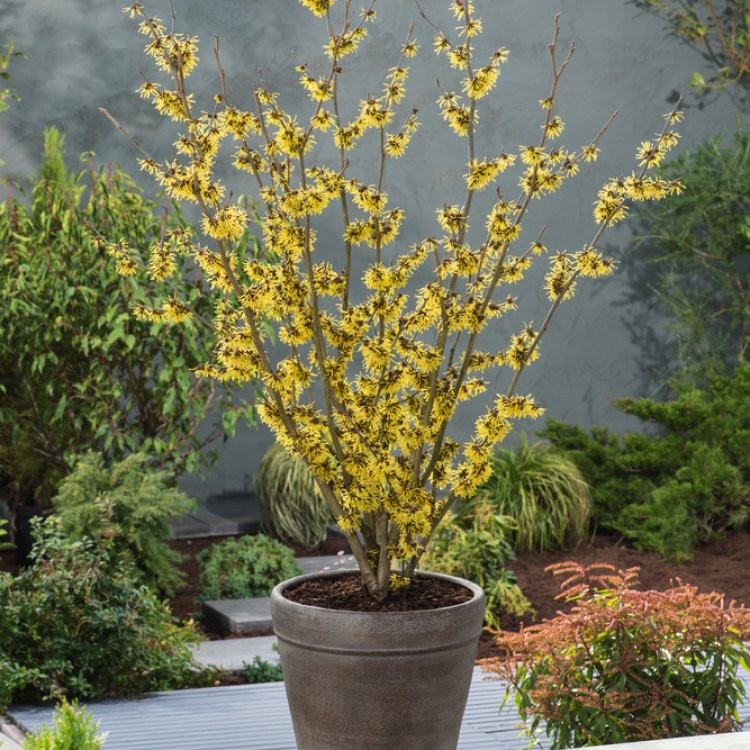
Planting Hamamelis intermedia ‘Westerstede’ as a specimen shrub ensures its unique beauty takes centre stage. Place it near a path or window to fully appreciate its winter fragrance and colour. It also thrives when planted at the back of a winter border, where its height provides structure. You can also incorporate it into mixed shrub beds, where its seasonal appeal complements evergreen companions. This Witch Hazel develops into a broad, vase-shaped shrub with age, making it an excellent choice for a focal point. Generally, it requires minimal pruning; simply remove any dead, damaged, or crossing branches after flowering to maintain a healthy structure. This plant is also beneficial for local wildlife; its early flowers offer an important source of pollen for bees and other early emerging insects when few other food sources are available.
Hardy in all of the UK and northern Europe. Suitable for exposed sites.
Plant in a sheltered spot, protected from strong winds. Ensure soil is consistently moist but well-drained, ideally slightly acidic. Water regularly during dry spells, especially in the first few years. Apply a balanced fertiliser in spring. Prune only to remove dead, damaged, or crossing branches, or to lightly shape, immediately after flowering. Avoid heavy pruning as this can reduce flowering.
This plant is deciduous so it will lose all of its leaves in the autumn and get fresh new foliage each spring.