£43.70 – £53.14Price range: £43.70 through £53.14
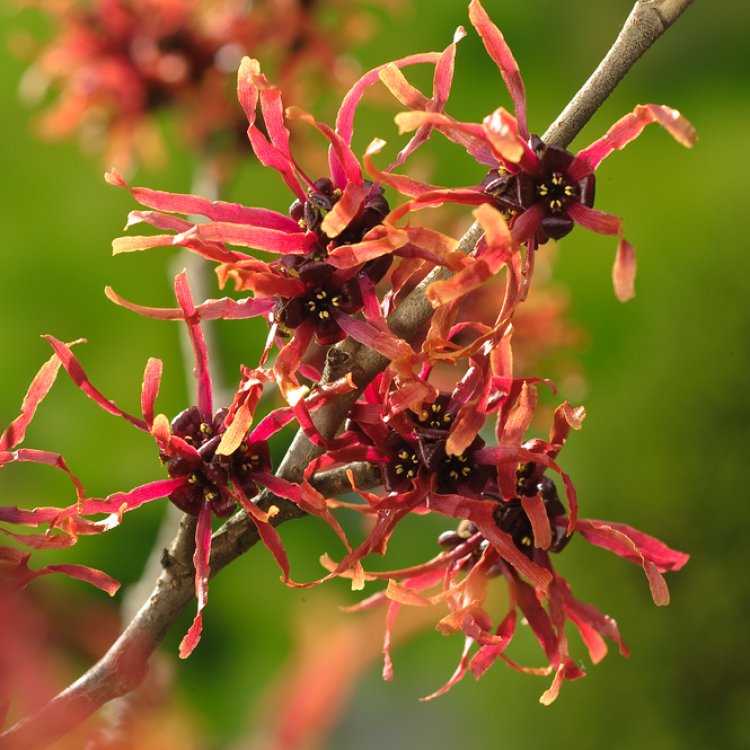
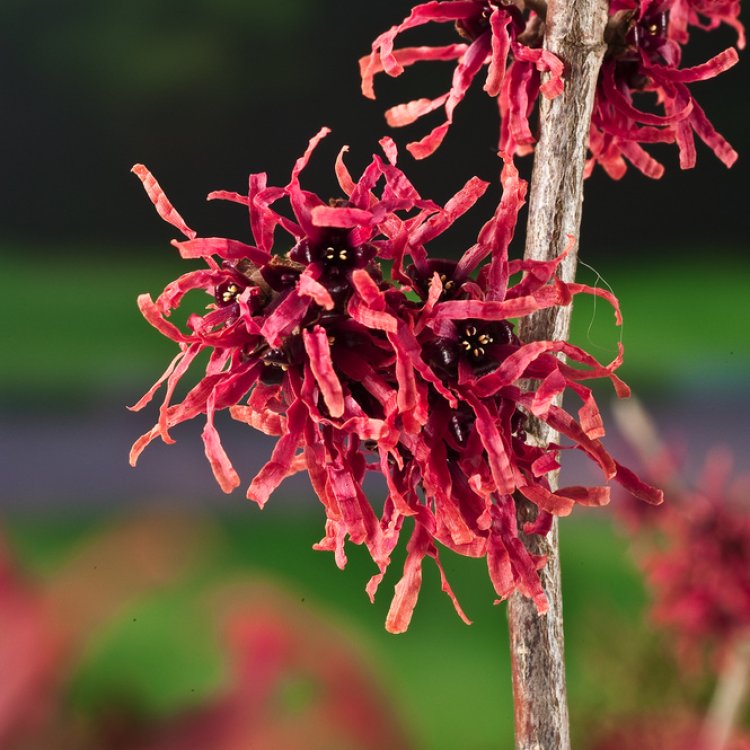
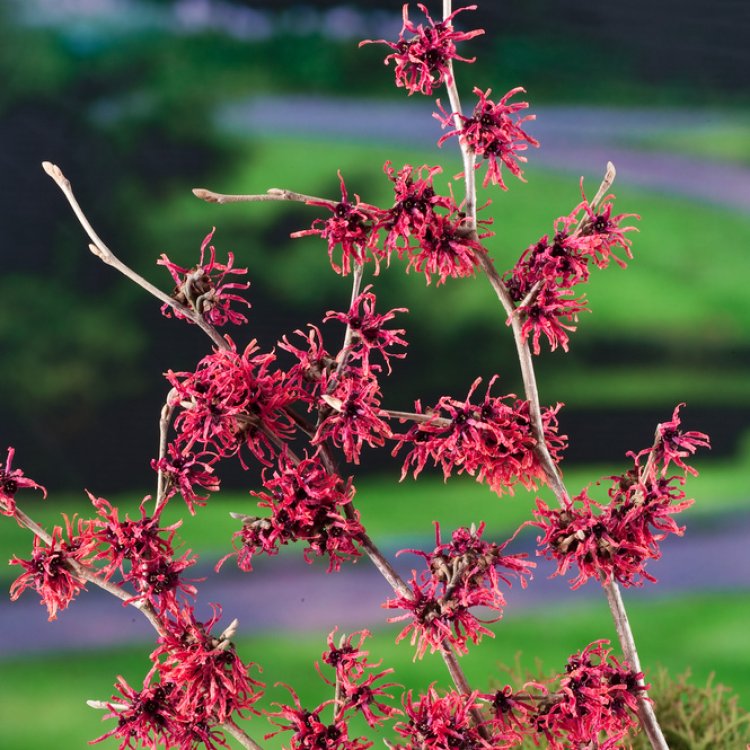
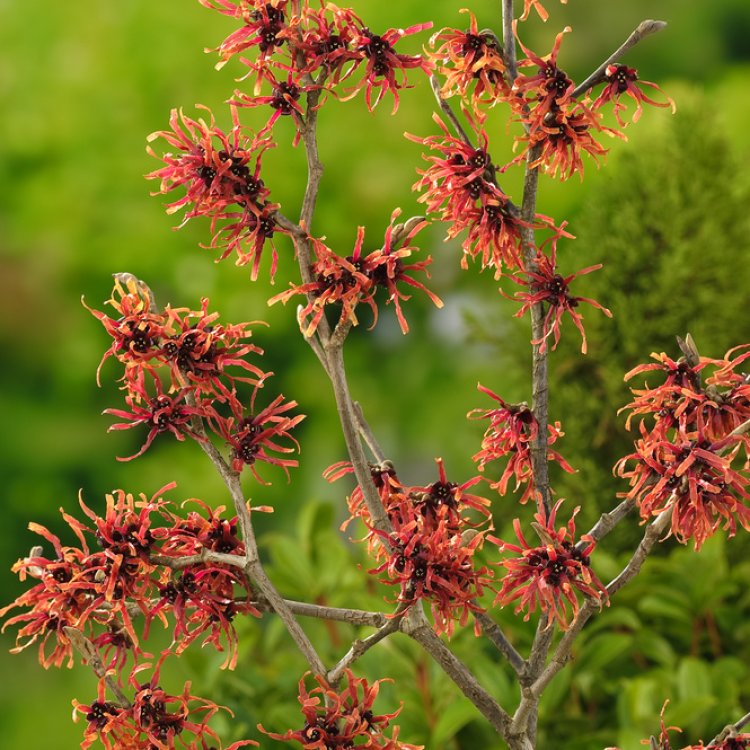
Hamamelis intermedia ‘Diane’ offers exquisite winter beauty with its coppery-red, fragrant, spider-like flowers. This Witch Hazel also provides stunning fiery autumn foliage, making it a true four-season garden delight.
27 in stock
Discover Hamamelis intermedia ‘Diane’, a captivating winter-flowering shrub bringing warmth and beauty to your garden when little else is in bloom.
This remarkable plant, commonly known as Witch Hazel, offers a truly unique spectacle during the colder months. When many plants are dormant, Hamamelis intermedia ‘Diane’ erupts with vibrant, fragrant flowers, providing an essential source of colour and interest. Furthermore, its superb autumn foliage ensures it remains a standout feature in your garden through multiple seasons. It really is a garden treasure, providing appeal year-round for UK gardeners.
Hamamelis intermedia ‘Diane’ is a prized deciduous shrub, celebrated for its arresting winter display. It belongs to the Witch Hazel family, a group known for its robust nature and seasonal appeal. The name ‘intermedia’ indicates its hybrid origin, a cross between two East Asian species. ‘Diane’ itself is a specific cultivar, renowned for its intense flower colour. As a result, this Hamamelis intermedia ‘Diane’ brings exceptional beauty to any garden space.
From late December through to March, Hamamelis intermedia ‘Diane’ produces an abundance of unique, crinkled flowers. These blooms feature slender, ribbon-like petals in a deep coppery-red hue. They cluster along the bare branches. This creates a striking visual contrast against winter’s grey skies. Additionally, these fascinating flowers release a subtle yet distinct fragrance. Consequently, they offer a delightful sensory experience near a path or window.
Beyond its winter show, this Witch Hazel provides a second wave of visual impact in autumn. Before its leaves fall, they transform into a spectacular display of fiery reds, oranges, and purples. This vibrant colour change extends the plant’s seasonal appeal significantly. Therefore, it makes a versatile choice for gardens seeking year-round interest.
Plant Hamamelis intermedia ‘Diane’ in a prominent position where its winter blooms can be fully appreciated. It thrives as a focal point in a shrub border or within a woodland garden setting. You might also place it near an entrance or patio. This allows you to savour its fragrance and beauty up close. Furthermore, it works well as part of a mixed border, adding structure and height.
This Witch Hazel is generally low-maintenance. Pruning is seldom required beyond removing any dead, diseased, or crossing branches. If necessary, a light tidy-up to maintain shape can be performed immediately after flowering. Always use sharp, clean tools. As a wildlife-friendly choice, its early winter flowers can offer a valuable nectar source for early emerging bees during mild spells, thus supporting local ecosystems.
Very hardy. Tolerates temperatures typical of a continental winter.
Water regularly during dry spells, especially in the first few years. Apply a balanced fertiliser in spring and mulch around the base with organic matter. Prune only to remove dead, damaged, or crossing branches, or to maintain shape, immediately after flowering.
This plant is deciduous so it will lose all of its leaves in the autumn and get fresh new foliage each spring.