£3.04 – £4.46Price range: £3.04 through £4.46
Gypsophila ‘Compacta Plena’, known as Baby’s Breath, offers abundant clouds of pure white, double flowers. This compact perennial blooms from June to September, ideal for borders, rockeries, and cut flowers, bringing an airy elegance to UK gardens.
300 in stock
Gypsophila ‘Compacta Plena’ is a delightful perennial, renowned for its clouds of pure white, double blooms, bringing classic beauty and a light, airy feel to UK gardens.
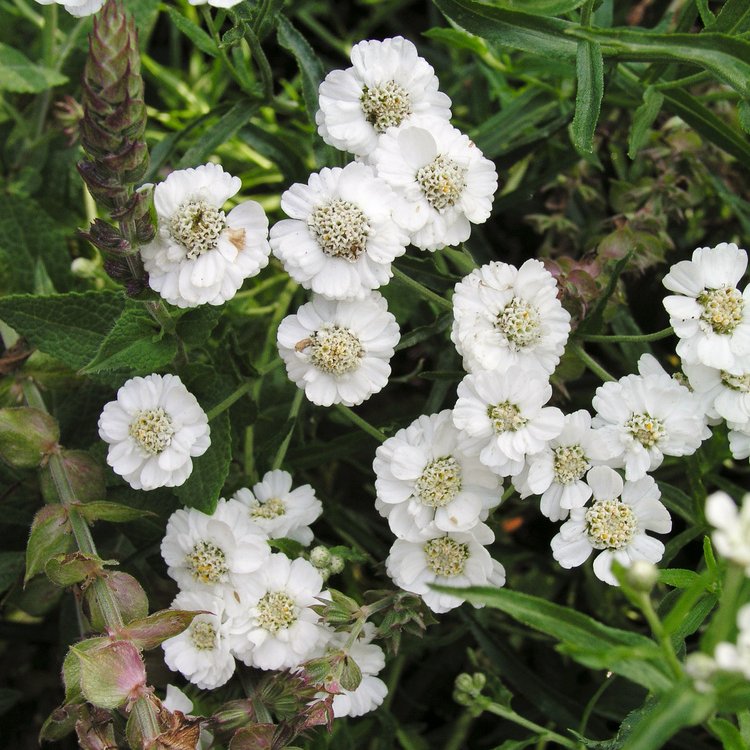
This cherished herbaceous perennial, also affectionately known as Baby’s Breath, forms a neat, rounded mound. As summer arrives, the plant becomes utterly covered in small, fluffy white flowers. This charming display creates a gentle, ethereal touch, enhancing various garden designs. Its compact growth habit makes it a highly versatile choice for many outdoor spaces. Furthermore, this robust variety proves easy to grow, consistently thriving when planted in sunny spots.
Gypsophila ‘Compacta Plena’ enthrals with delicate, dense clusters of double white flowers. These tiny blooms, like miniature pom-poms, create a wonderful frothy texture. The name Gypsophila comes from Greek, meaning ‘gypsum-loving’, hinting at its preference for chalky soils. ‘Compacta Plena’ aptly describes its neat, compact growth. The word ‘plena’ refers to its full, double flowers. This plant certainly lives up to its elegant name.
Its flowering season extends beautifully from June through to September, offering a long period of visual delight. The blooms emerge above fine, narrow, grey-green foliage. Indeed, when Gypsophila ‘Compacta Plena’ reaches its peak, the sheer volume of flowers almost completely obscures the leaves. This creates an impressive cloud-like effect that softens hard garden lines and provides a stunning contrast to more vivid colours.
Gardeners value Gypsophila ‘Compacta Plena’ for its remarkable versatility. Place it at the front of a border to create a soft, undulating edge. It also performs exceptionally well in rock gardens, filling crevices with its airy charm. Moreover, you can use this variety to line pathways, or grow it successfully in containers, adding texture and brightness. Its cut flowers are superb too; they provide an excellent filler for bouquets, complementing bolder blooms.
Maintaining the plant’s beauty is straightforward. Deadhead spent flowers regularly to encourage further blooming and to extend the display. Once the main flowering period ends, cut back the stems. This keeps the plant tidy and promotes healthy growth for the following season. Furthermore, this plant often invites pollinators. Bees and butterflies visit the small flowers, contributing to the garden’s biodiversity. Therefore, Gypsophila ‘Compacta Plena’ offers both beauty and ecological benefits.
Very hardy. Tolerates temperatures typical of a continental winter.
Deadhead spent flowers regularly to encourage continuous blooming and prevent self-seeding. After the main flowering period, cut back the stems to maintain a tidy appearance and promote healthy growth for the following season. Ensure the plant is in well-drained soil, as it dislikes wet feet, particularly during winter months. Water regularly during prolonged dry spells, especially while the plant is establishing. Apply a balanced general fertiliser in spring to support vigorous growth and abundant flowering.