£2.88 – £4.30Price range: £2.88 through £4.30
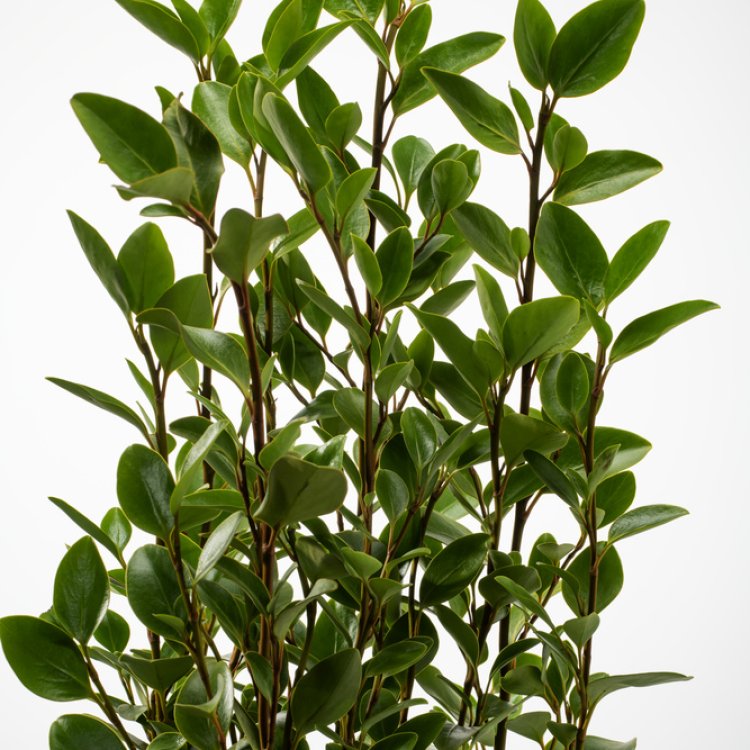
Griselinia littoralis, or New Zealand Broadleaf, is an excellent evergreen shrub for creating dense, resilient hedges and screens. Its glossy, apple-green foliage provides year-round interest and superb wind tolerance, making it ideal for UK gardens.
6500 in stock
Discover Griselinia littoralis, a robust evergreen shrub perfect for creating lush, resilient hedges and screens in British gardens. Its vibrant foliage ensures year-round appeal.
Griselinia littoralis, often known as New Zealand Broadleaf, brings a touch of coastal elegance to any garden design. Originating from New Zealand, this versatile evergreen thrives in a variety of conditions, making it a popular choice for gardeners across the UK. It offers year-round interest with its vibrant foliage and adaptable growth habit. Indeed, its hardiness and ease of maintenance contribute to its widespread appeal, ensuring a consistently beautiful landscape. This plant is truly a dependable option for adding structure and evergreen colour.
Griselinia littoralis is a member of the Griseliniaceae family. Its name, ‘Griselinia’, honours the Italian natural history writer Francesco Griselini. The specific epithet ‘littoralis’ means “of the seashore,” referencing its natural coastal habitat in New Zealand. This origin helps explain its superb tolerance to salty sea air and strong winds. Therefore, it makes an ideal choice for exposed garden sites across the UK. It establishes well even in challenging locations.
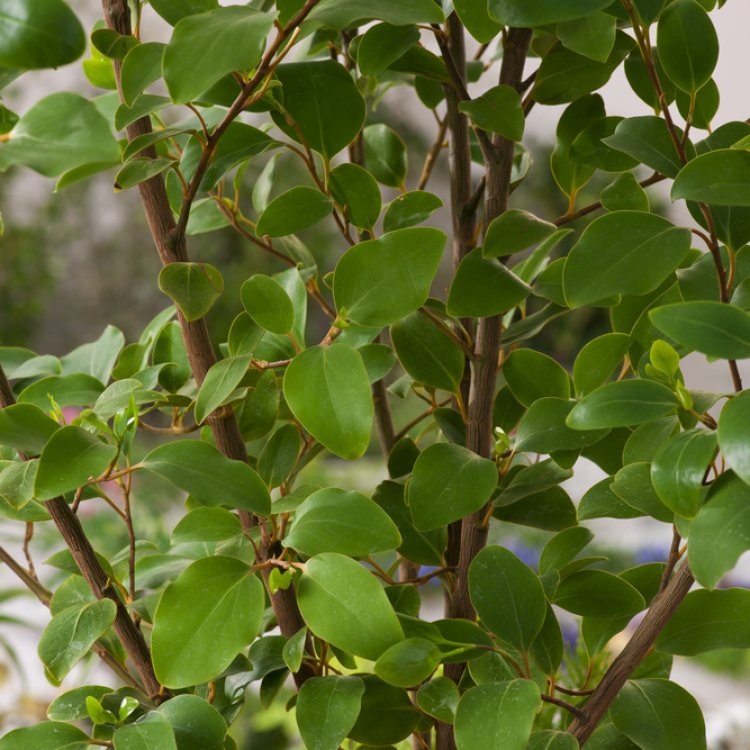
This plant is celebrated for its attractive, apple-green, oval leaves. These leaves are glossy and leathery, providing a dense, verdant backdrop year-round. In late spring to early summer, Griselinia littoralis produces small, greenish-yellow flowers. These blooms are often inconspicuous. Nonetheless, they attract various pollinators, including bees, enriching the garden ecosystem. Tiny black berries may follow, adding further seasonal interest.
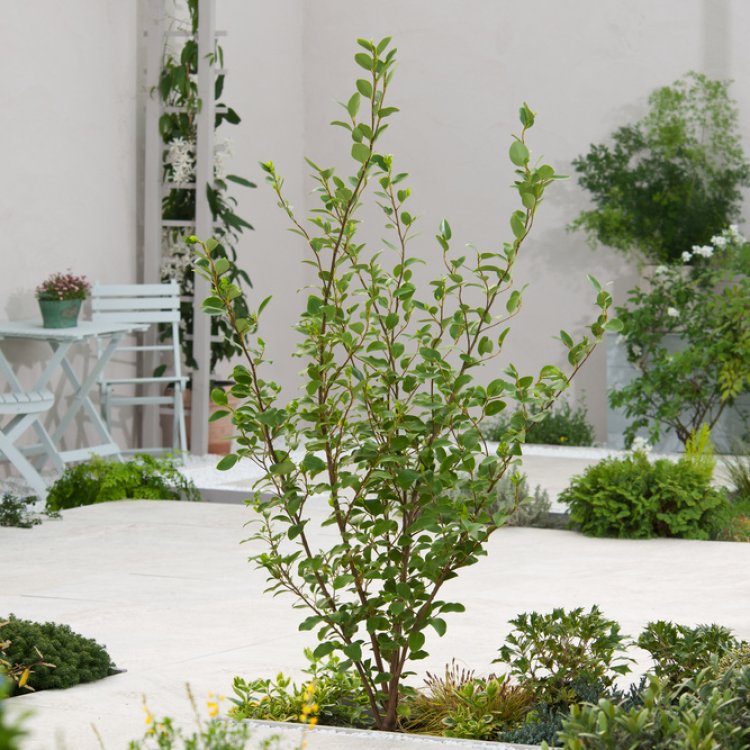
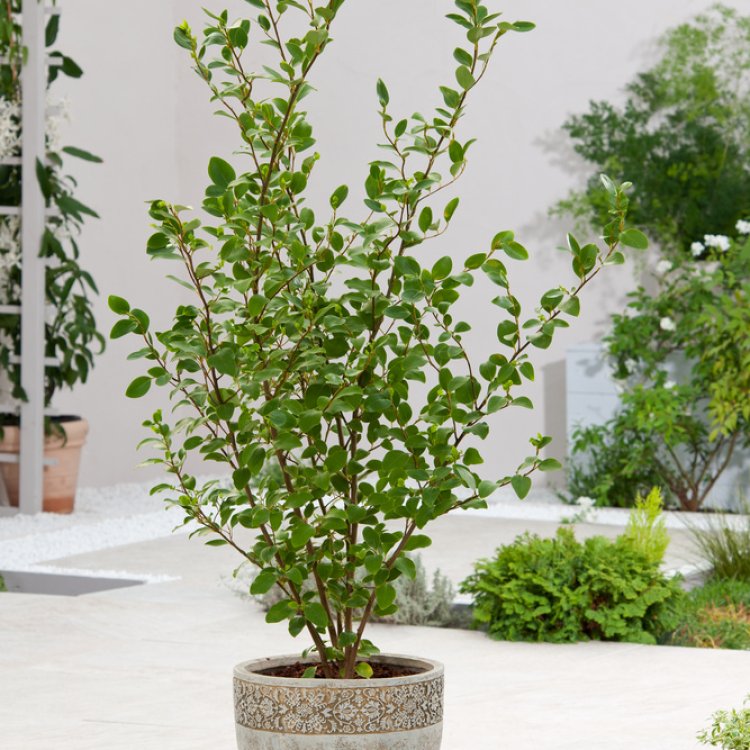
Gardeners commonly use New Zealand Broadleaf for creating formal or informal hedges. It forms a superb, neat boundary, offering privacy and shelter. It also serves well as a standalone specimen shrub or provides structure in mixed borders. Its dense growth makes an excellent windbreak, particularly beneficial in coastal or exposed inland gardens. Regular pruning helps maintain its desired shape and density.
While its flowers are modest, they still provide a valuable nectar source for bees and other small insects. The dense foliage also offers shelter for small birds. Thereby, it contributes to the local wildlife habitat. This makes New Zealand Broadleaf a valuable addition for gardeners keen to support biodiversity. Its presence enhances the ecological value of any garden space.
Hardy across most of the UK except particularly exposed or cold regions.
Water Griselinia littoralis regularly after planting until established, especially during dry periods. Fertilise in spring with a balanced general-purpose feed to promote vigorous growth. Prune once or twice a year to maintain desired shape and density, ideally in late spring/early summer after flowering and again in early autumn. This plant tolerates hard pruning well if rejuvenation is needed. Generally robust, monitor for occasional fungal spots in overly damp, poorly ventilated conditions.