£3.02 – £4.43Price range: £3.02 through £4.43
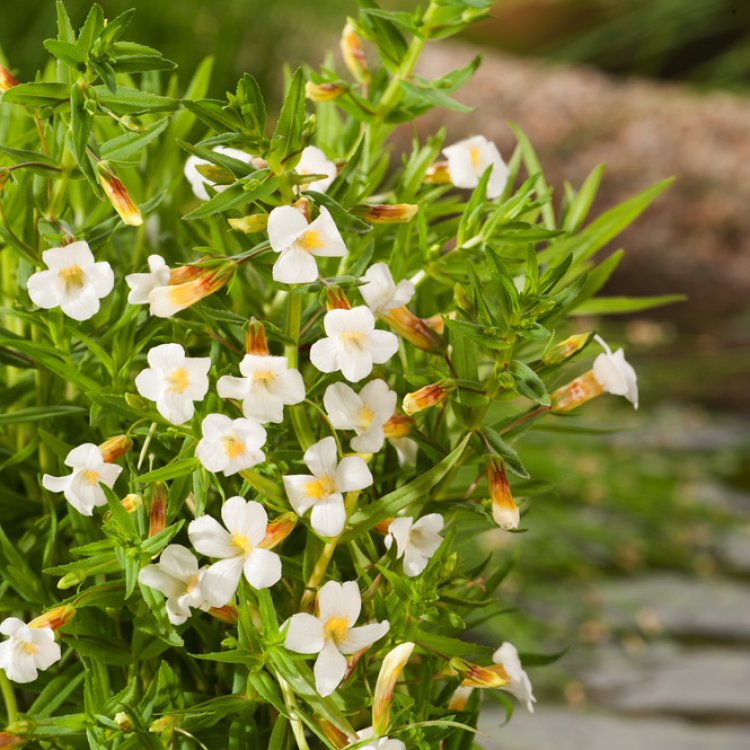
Gratiola officinalis, or Hedge Hyssop, is a delightful perennial for bog gardens and pond edges in the UK. Its delicate white summer flowers with purple veins attract pollinators, while its lush foliage adds beauty to damp, moist areas.
300 in stock
Discover the delicate beauty of Gratiola officinalis, commonly known as Hedge Hyssop, a charming wetland perennial perfect for UK bog gardens.
This exquisite native plant brings a touch of natural grace to damp areas, thriving where other plants struggle. Its pretty, trumpet-shaped flowers offer a subtle charm throughout the summer months. Ideal for pond edges or moist borders, Gratiola officinalis provides both visual appeal and a haven for local wildlife. Gardeners appreciate its low-maintenance nature, making it a valuable addition to a biodiverse garden landscape. Furthermore, its historical significance adds another layer of intrigue.
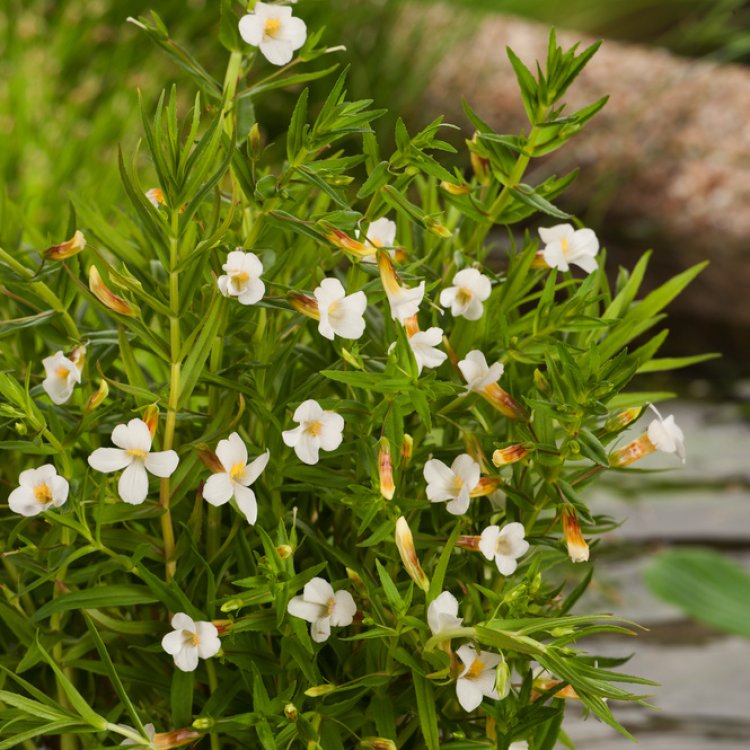
The enchanting Gratiola officinalis, also known as Hedge Hyssop, is a robust herbaceous perennial that flourishes in the damp corners of UK gardens. Its slender, upright stems reach a modest height of up to 50 centimetres. The vibrant green, lance-shaped leaves, arranged oppositely along the stem, feature finely serrated edges. This neat foliage forms a dense base, creating an appealing texture in boggy areas. Gardeners often choose this plant for its ability to naturalise beautifully in challenging, waterlogged environments.
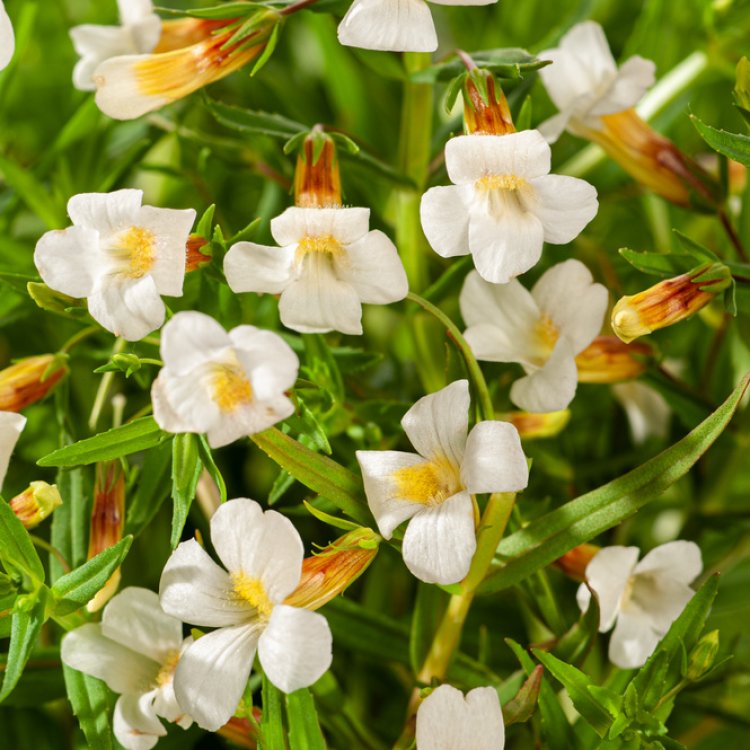
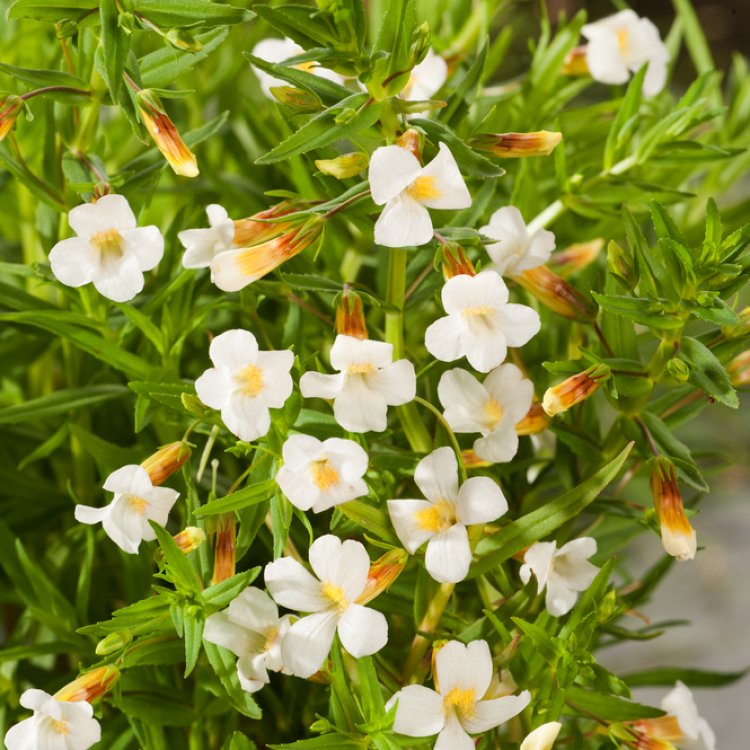
Throughout the summer, typically from June right through to September, Gratiola officinalis showcases its delightful flowers. These dainty blooms are borne singly in the leaf axils. Each flower displays a trumpet-like shape, often appearing in shades of white or pale pink, frequently adorned with fine purple veins in the throat. This subtle colouring creates a serene visual effect, which harmonises wonderfully with other wetland flora. The fresh green foliage provides a consistent backdrop, maintaining interest even when the plant is not in full bloom.
The botanical name Gratiola originates from the Latin word ‘gratia’, meaning grace or gratitude. This name reflects the plant’s historical perception as a ‘gift from God’ due to its purported medicinal uses. The specific epithet ‘officinalis’ further reinforces this heritage, signifying its place in traditional apothecaries and herbal medicine. While it once held prominence in folk remedies, modern understanding highlights its toxic properties, so appreciate its beauty from a safe distance.
Gratiola officinalis is a superb choice for creating naturalistic scenes around garden ponds, streams, or in dedicated bog gardens. It thrives at the water’s edge, where its roots can consistently access moisture. Furthermore, it works wonderfully in consistently damp borders or low-lying areas that frequently become waterlogged. This plant requires minimal fuss; generally, simply removing spent flower stems encourages tidiness and new growth. Its spreading habit helps to establish attractive clumps, enhancing the overall appeal of a damp landscape.
Planting Gratiola officinalis significantly contributes to the biodiversity of your garden. Its delicate summer flowers prove highly attractive to various native pollinators. Bees, in particular, visit these blooms, eagerly collecting nectar and pollen. By providing a reliable food source, this plant helps to support local insect populations. Consequently, it plays a vital role in fostering a healthy and vibrant garden ecosystem, bringing life and movement to your wetland features.
Very hardy. Tolerates temperatures typical of a continental winter.
Ensure consistently moist to wet soil, especially during dry spells. Ideal for pond margins or boggy areas where roots stay wet. Generally not required to feed in rich, moist soils, but an annual top-dressing with compost in spring can be beneficial. Minimal pruning is needed; cut back spent flower stems to encourage new growth and maintain tidiness. In late autumn or early spring, remove any old, dead, or yellowing foliage to rejuvenate the plant. Easily propagated by division in spring or by taking stem cuttings during summer. Generally robust against pests and diseases, though keep an eye out for slugs and snails in very damp environments.