£13.32 – £15.68Price range: £13.32 through £15.68
Genista lydia, or Lydia Broom, is a charming deciduous shrub. It boasts abundant golden-yellow flowers from late spring, perfect for rockeries, borders, or groundcover. This low-maintenance plant attracts bees and thrives in sunny, well-drained spots.
50 in stock
Genista lydia, or Lydia Broom, offers effortless charm and vibrant yellow colour in late spring for UK gardens.
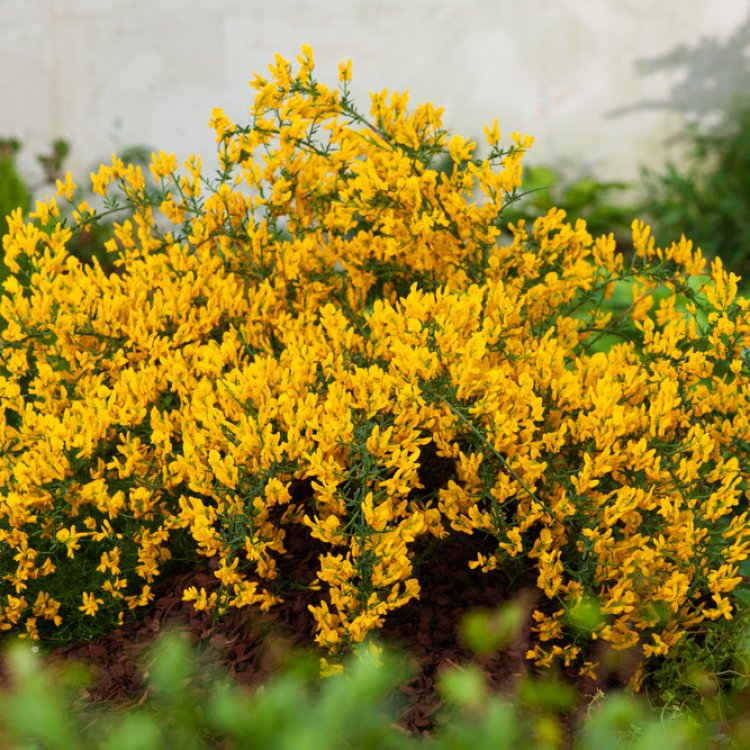
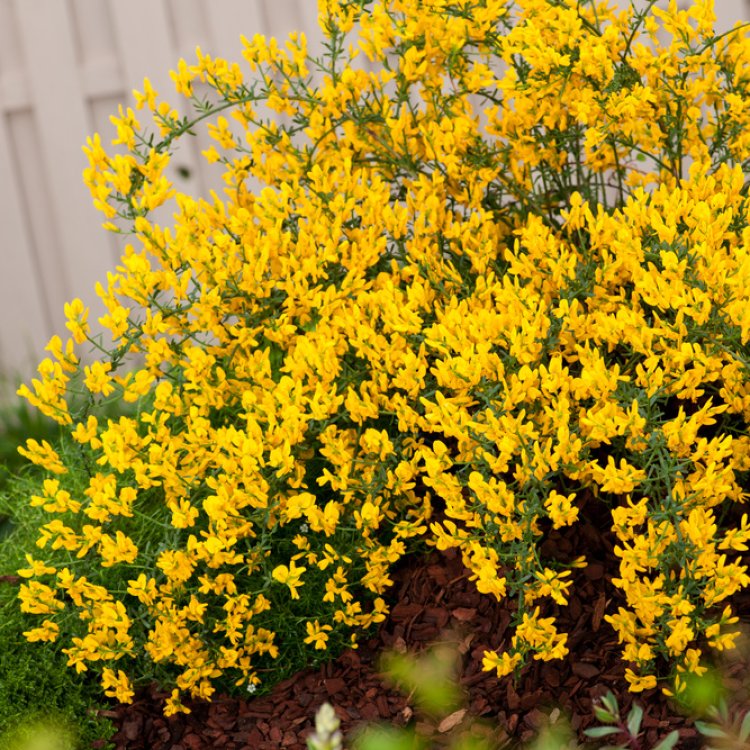
This delightful deciduous shrub adds cheerful colour to many garden settings. Genista lydia has a compact, spreading habit. It produces an abundance of golden-yellow, pea-like flowers. These blooms appear in late spring and early summer, creating a true spectacle of vivid hues. The plant proves exceptionally versatile. It thrives in various garden spots, making it a popular choice for gardeners. They gain both beauty and resilience.
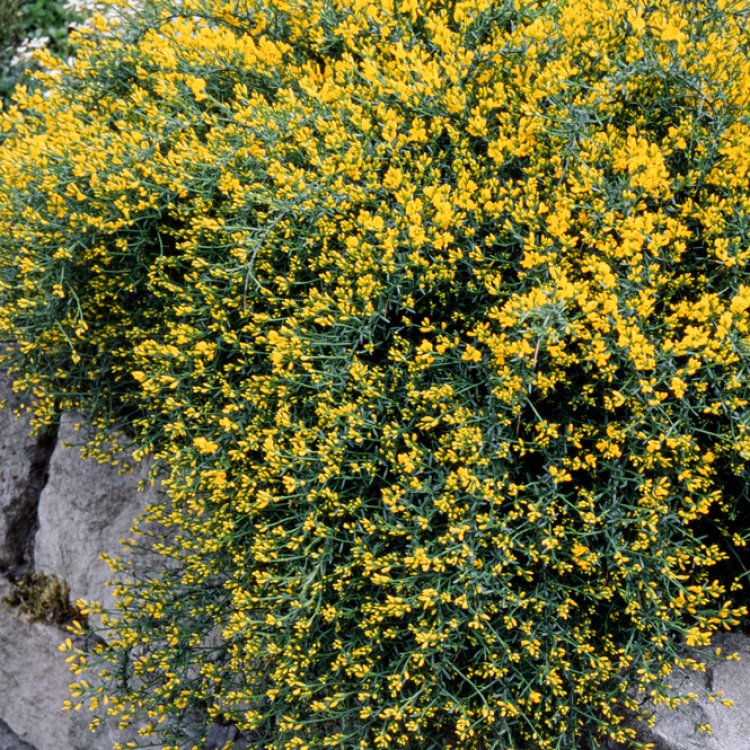
The charming Genista lydia, known as Lydia Broom, originates from Southeastern Europe to Turkey. Its name, ‘Genista’, comes from a Latin word. This word refers to its jointed stems. The specific epithet ‘lydia’ acknowledges the ancient region of Lydia. This compact deciduous shrub develops elegant, arching stems. They create a beautiful, mounding form. Its small, green leaves are often unassuming. They provide a subtle backdrop for the spectacular floral display.
During late spring and early summer, typically May and June in the UK, Genista lydia becomes covered in flowers. These are bright golden-yellow, pea-like blooms. They absolutely smother the shrub. This makes it a striking focal point in any garden space. Furthermore, this intense floral show attracts local wildlife. Bees, especially, visit the plant frequently. They contribute to the health of your garden ecosystem.
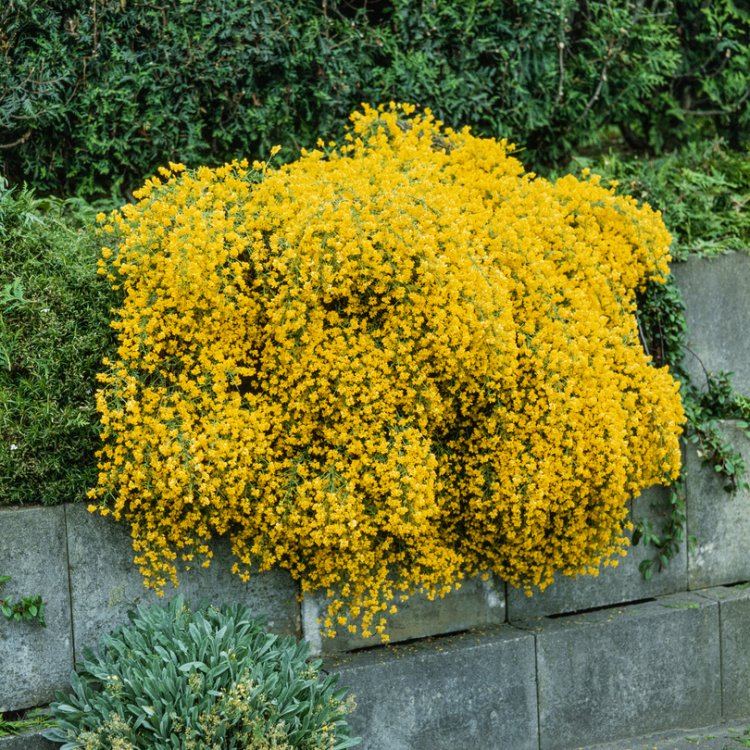
Lydia Broom excels in many garden applications. Plant it to edge sunny borders. Its arching stems spill gracefully over pathways. It performs exceptionally well in rock gardens. Here it softens hard landscaping with its natural form and bright colour. Also, its spreading habit makes it an excellent choice for groundcover on slopes or banks. It helps to stabilise soil. For smaller spaces, Genista lydia thrives happily in larger containers. It brings cheerful colour to patios or balconies.
Maintaining this robust shrub is straightforward. A light prune after flowering helps to keep its shape tidy. It also promotes denser growth. Avoid cutting too harshly into older, woody stems. Such cuts can hinder its recovery. This plant truly appreciates a position in full sun. It thrives in well-drained soil. This includes sandy or chalky types. Once established, it tolerates dry conditions well. It proves a resilient and rewarding addition to the British garden.
Hardy across most of the UK except particularly exposed or cold regions.
Plant Genista lydia in full sun and well-drained soil. Water regularly during dry periods until established. After flowering, lightly prune to maintain a neat shape and encourage denser growth, avoiding hard cuts into old wood.
This plant is deciduous so it will lose all of its leaves in the autumn and get fresh new foliage each spring.