£13.64 – £16.00Price range: £13.64 through £16.00
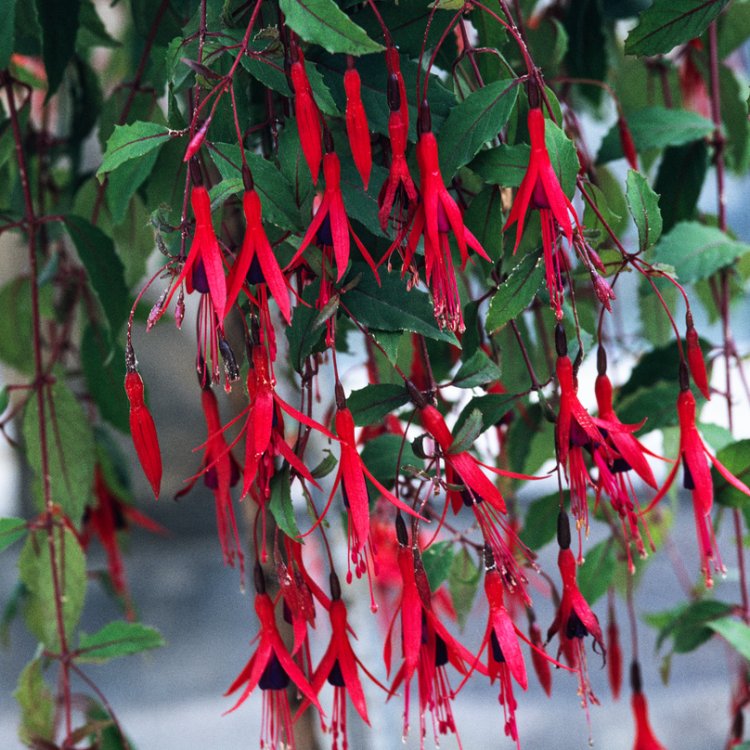
Fuchsia magellanica gracilis, a charming Hardy Fuchsia, offers delicate red and purple bell-shaped flowers from early summer to autumn. This elegant, wildlife-friendly shrub thrives in UK gardens, perfect for borders or informal hedging.
388 in stock
Fuchsia magellanica gracilis is a charming hardy shrub, renowned for its delicate, bell-shaped flowers and elegant, arching stems, bringing vibrant colour to UK gardens.
This beautiful plant, often called the Hardy Fuchsia or Chilean Fuchsia, thrives across Britain. It produces a wealth of slender, pendulous blooms from early summer right through to autumn. Its graceful appearance makes it a garden favourite. The vibrant red and purple flowers create a striking contrast against its neat green foliage. This shrub works wonderfully in many garden settings, from mixed borders to informal hedges, truly enhancing any outdoor space.
The botanical name, Fuchsia magellanica gracilis, tells a fascinating story. “Fuchsia” honours Leonhart Fuchs, a renowned German botanist. “Magellanica” refers to the plant’s native home. This is near the Strait of Magellan in South America. Specifically, this elegant subspecies hails from regions of Chile and Argentina.
The term “gracilis” perfectly describes its slender, refined growth. This resilient plant is among the most widely cultivated fuchsias globally. It adapted exceptionally well to temperate climates. Consequently, it became a beloved garden staple throughout the UK.
Fuchsia magellanica gracilis puts on a magnificent floral display. From June until the first frosts, its nodding flowers adorn the plant. Each bloom features bright red sepals that elegantly flare outwards. These contrast beautifully with the deep purple petals nestled within.
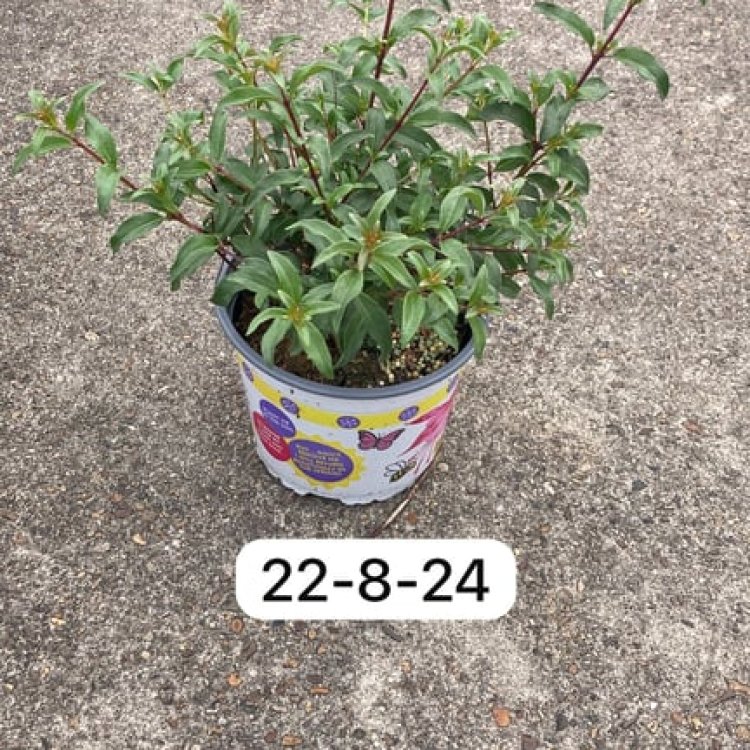
The delicate bells hang gracefully from slender stems. These stems often show a reddish tint. This adds further visual interest to the overall plant. Its small, ovate leaves are a fresh mid-green. They provide a perfect backdrop for the lively floral show. Though deciduous, its structure remains attractive even when dormant.
This hardy fuchsia offers remarkable versatility in the garden. Plant it to create charming informal hedges. It works well as a vibrant border edge. Furthermore, it adds structure and colour to mixed shrub beds. Its arching form looks wonderful spilling over low walls.
Gardeners often prune Fuchsia magellanica gracilis in spring. This helps to maintain its neat shape. Moreover, pruning encourages a flush of new growth and flowers. Importantly, this plant is a haven for local wildlife. Bees and butterflies flock to its nectar-rich flowers, thus supporting garden biodiversity.
Hardy in all of the UK and northern Europe. Suitable for exposed sites.
Plant Fuchsia magellanica gracilis in well-drained soil, enriched with organic matter. Water regularly during dry spells, especially during establishment. Mulch the base in autumn for added winter protection in colder regions of the UK. Prune hard in early spring (March/April) after the last frost, removing dead or damaged wood and shaping the plant to encourage strong new growth and an abundance of flowers. Feed with a balanced, slow-release fertiliser in spring.
This plant is deciduous so it will lose all of its leaves in the autumn and get fresh new foliage each spring.