£6.80 – £8.23Price range: £6.80 through £8.23
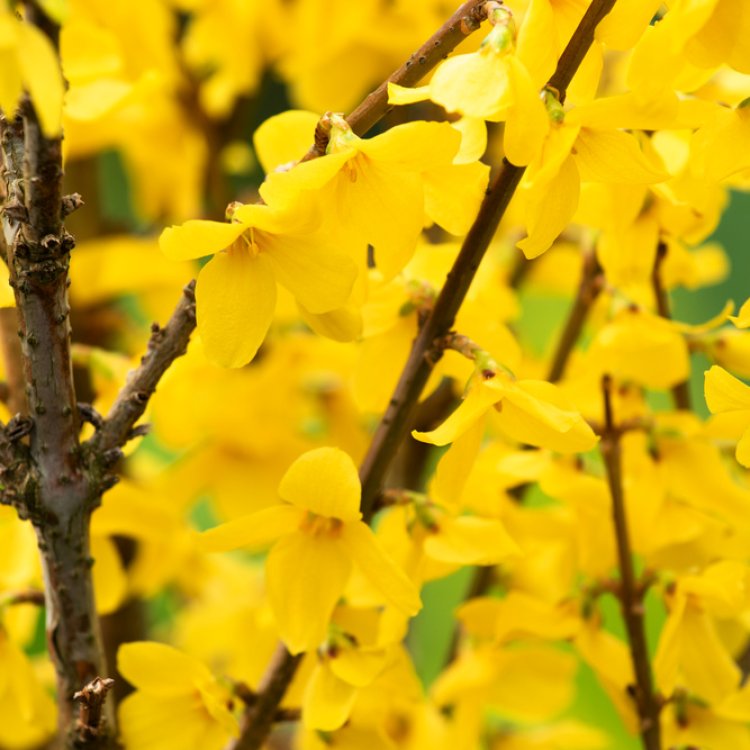
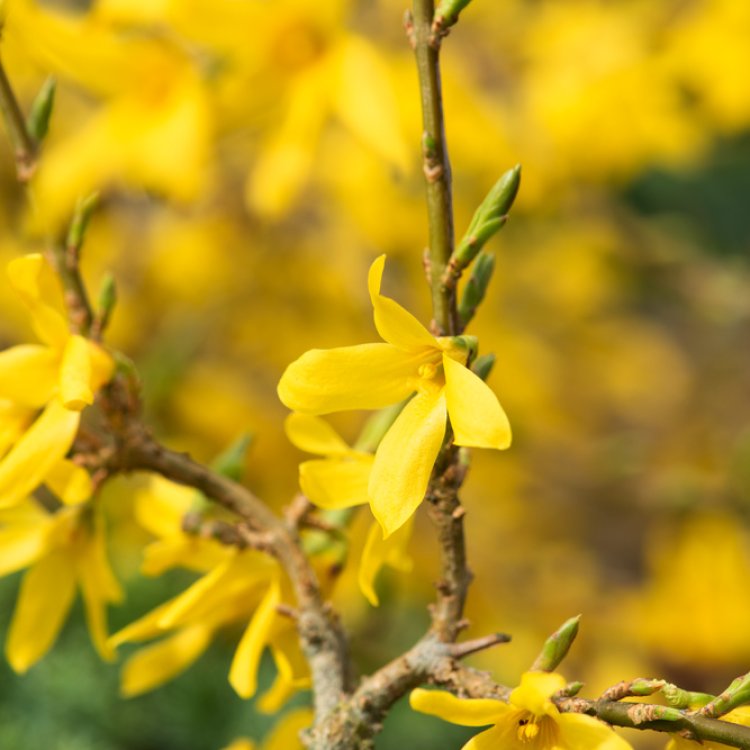
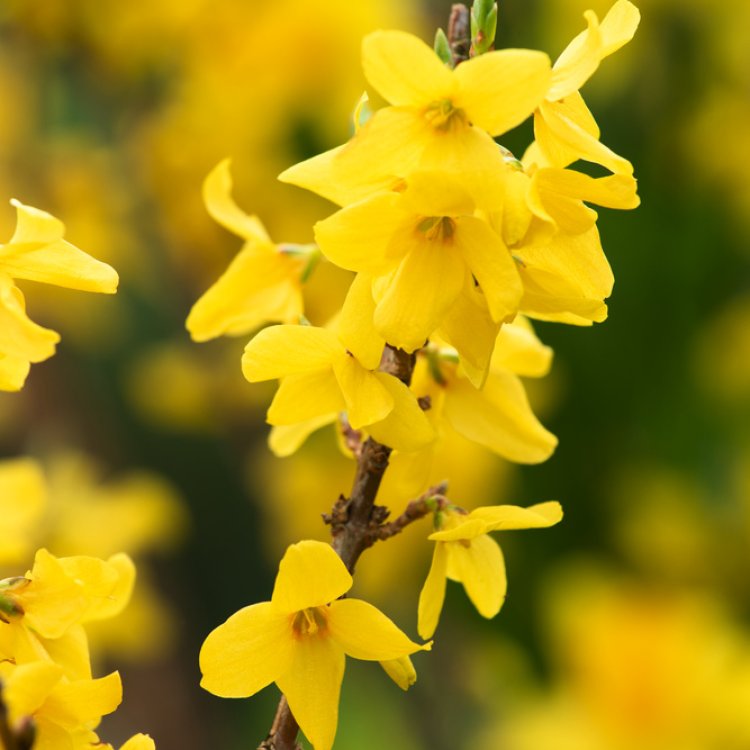
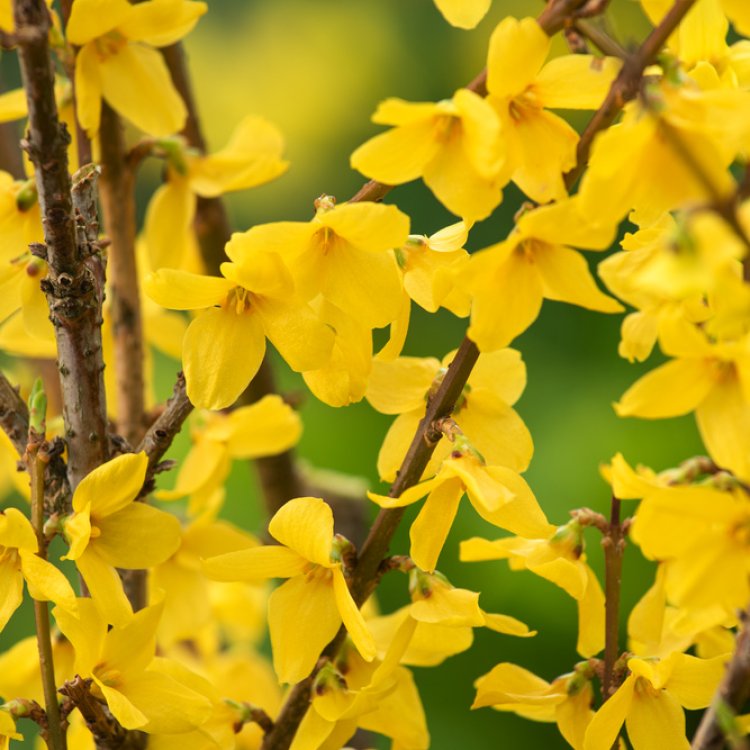
Experience the dazzling early spring show of Forsythia Marée d’Or. This compact Golden Bell Bush covers itself in bright golden-yellow flowers before foliage emerges, offering vital early nectar for bees and bringing cheerful colour to any UK garden.
450 in stock
Discover Forsythia Marée d’Or, a vibrant deciduous shrub illuminating UK gardens with a spectacular early spring display of golden yellow flowers.
As winter fades, this exceptional plant truly signals spring’s arrival. Its bright blooms burst forth, creating a stunning visual impact before any leaves appear. Often known as the Golden Bell Bush, this cultivar offers a compact habit, fitting beautifully into many garden styles. It brings a cheerful splash of colour when little else is flowering, thus lifting spirits after the colder months.
The genus Forsythia honours William Forsyth, a Scottish botanist and royal head gardener. Meanwhile, ‘Marée d’Or’ is a French cultivar name, meaning ‘Golden Tide’, which perfectly describes its abundant, cascading golden blooms. This particular selection is celebrated for its more manageable size, distinguishing it from larger, wilder types.
In late winter or early spring, Forsythia Marée d’Or explodes with a profusion of brilliant yellow, bell-shaped flowers. These cheerful blooms densely cover its bare branches, creating a magnificent display. Afterwards, fresh green foliage emerges, forming a neat backdrop for the rest of the growing season. The leaves often develop attractive purplish tints as autumn approaches, adding another layer of seasonal interest.
This versatile shrub adapts to many garden uses. Gardeners often plant it for a vibrant, low-growing hedge, thus clearly defining garden areas. It also performs wonderfully at the front of mixed borders, providing an impressive early focal point. Furthermore, its spreading habit makes it ideal for stabilising banks. It can also act as a striking specimen plant in a pot or lawn. Its compact nature ensures it fits well even in smaller urban gardens, offering substantial impact.
Maintaining the health of your Forsythia Marée d’Or involves straightforward pruning. Gardeners typically prune this shrub after flowering finishes, usually in late spring. This practice encourages new growth. It also helps maintain its desired shape, ensuring a fantastic display next year.
Moreover, the bright flowers act as a crucial early food source. Therefore, bees eagerly visit them, gathering essential nectar and pollen. This happens during a period when few other plants bloom. Consequently, the plant makes a valuable addition to any wildlife-friendly garden.
Very hardy. Tolerates temperatures typical of a continental winter.
Forsythia Marée d'Or is a low-maintenance shrub. Plant in well-drained soil in full to partial sun. Water regularly during dry spells, especially in its first year. Prune immediately after flowering by removing up to one-third of the oldest stems at ground level to encourage vigorous new growth and a superb floral display for the following spring. An annual feed with a general-purpose fertiliser in spring will also promote healthy growth.
This plant is deciduous so it will lose all of its leaves in the autumn and get fresh new foliage each spring.