£9.77 – £12.13Price range: £9.77 through £12.13
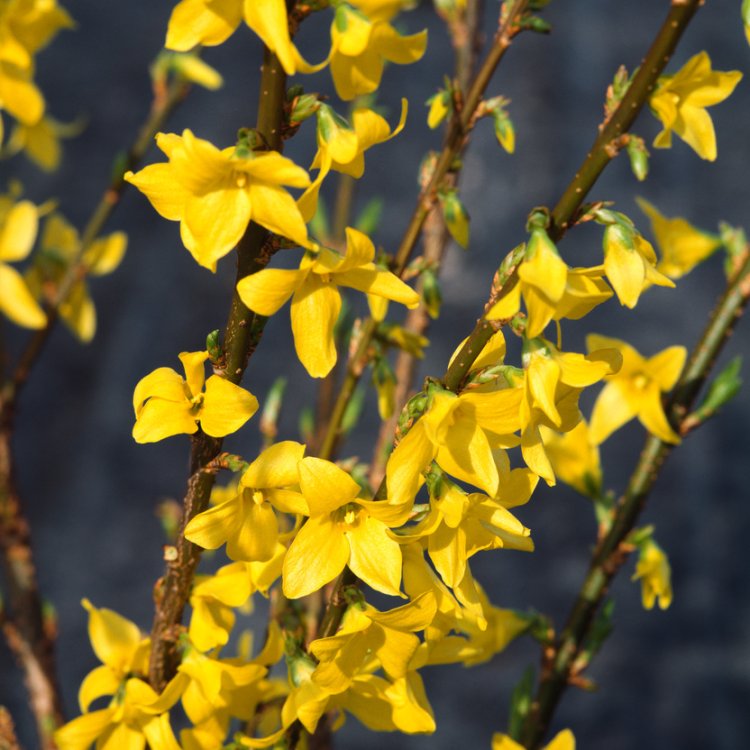
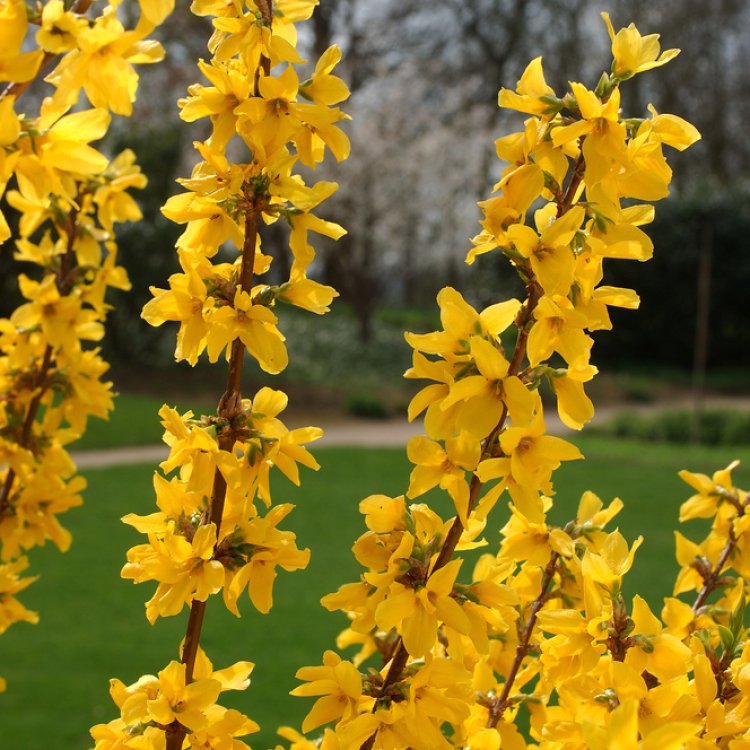
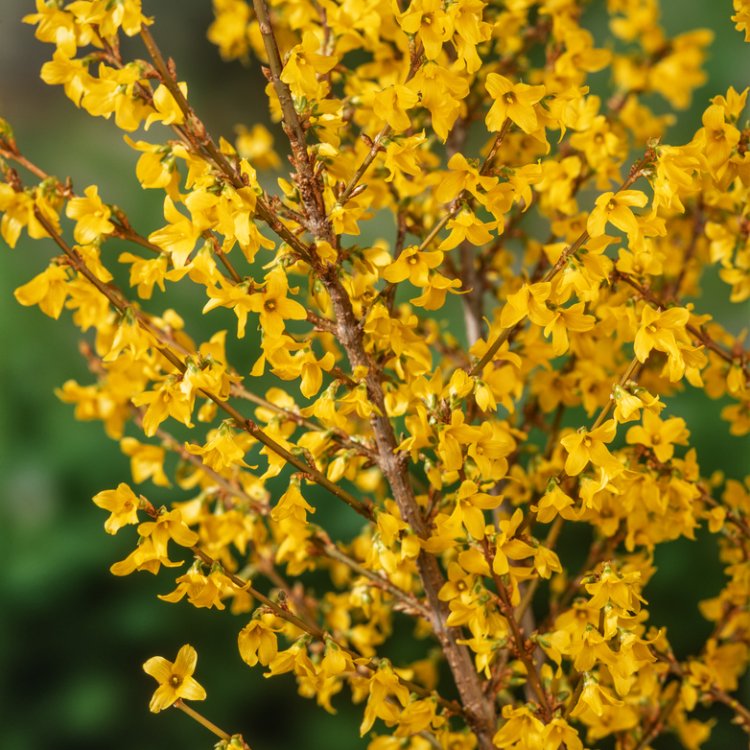
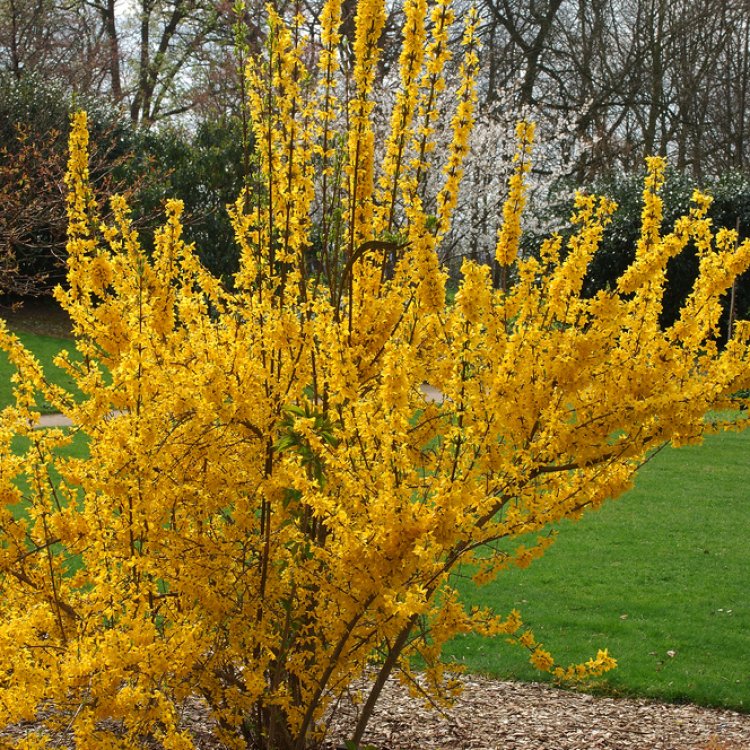
Forsythia intermedia Minigold bursts into life with vibrant yellow ‘golden bells’ in early spring, before its leaves appear. This compact, easy-to-grow shrub is perfect for adding cheerful colour to borders, small gardens, or as a low hedge, also benefiting early bees.
500 in stock
Embrace the vibrant joy of early spring with Forsythia intermedia Minigold, a compact shrub bursting with a profusion of bright yellow flowers.
As winter’s chill recedes, Forsythia intermedia Minigold ushers in the gardening season with an undeniable splash of colour. This delightful, dwarf shrub becomes a beacon of cheer, captivating onlookers with its spectacular display of ‘golden bells’ long before other plants awaken. Consequently, it acts as a crucial early source of nectar for awakening pollinators, making it an invaluable addition to any wildlife-friendly garden in the UK. Its manageable size makes it incredibly versatile, fitting seamlessly into various garden designs and providing year-round interest.
Forsythia intermedia Minigold represents a triumph in horticultural breeding. The genus ‘Forsythia’ honours William Forsyth, a Scottish botanist and royal head gardener. ‘Intermedia’ signifies its status as a hybrid, a cross between two species. Furthermore, ‘Minigold’ aptly describes this particular cultivar’s defining characteristics: its miniature, compact habit and its dazzling golden-yellow flowers. This shrub offers all the charm of its larger relatives but in a more contained form, making it a superb choice for modern gardens.
The true magic of Forsythia intermedia Minigold unfolds in early spring. Suddenly, its bare, arching stems become completely obscured by a dense carpet of radiant yellow, bell-shaped flowers. These ‘golden bells’ emerge before the leaves, creating a striking visual contrast against the muted winter landscape. Later in the season, after the floral show has ended, a fresh flush of bright green, ovate leaves develops. As the year progresses, these leaves mature and, come autumn, they often develop lovely reddish-purple or yellowish tints, adding another layer of seasonal beauty to the garden.
The compact nature of Forsythia intermedia Minigold provides numerous opportunities for its use in the garden. For instance, it works wonderfully as a vibrant specimen plant, drawing the eye with its seasonal cheer. Equally, it forms an attractive, low deciduous hedge, defining spaces or creating a colourful boundary. Gardeners also use it effectively in mixed shrub borders, where its early colour can uplift the entire planting scheme. Due to its modest size, it performs exceptionally well when grown in a large container on a patio or balcony, bringing its golden glow closer to your living space.
To ensure a continuous supply of abundant flowers, gardeners commonly prune Forsythia intermedia Minigold. The ideal time for this is immediately after flowering has finished in late spring. This proactive approach helps to maintain a shapely plant and encourages strong new growth, which will bear the blooms for the following year. Moreover, the early flowering period of Forsythia intermedia Minigold is incredibly beneficial for local wildlife. As one of the first plants to flower, its nectar provides a vital food source for early emerging bees and other pollinators, helping to kickstart their season.
Hardy in all of the UK and northern Europe. Suitable for exposed sites.
Water regularly after planting until established, especially during dry spells. Once mature, Forsythia is reasonably drought-tolerant. Feed annually in spring with a balanced general-purpose fertiliser to encourage strong growth and abundant blooms. Pruning is best carried out immediately after flowering in late spring. Remove any dead, damaged, or weak stems, and thin out about a quarter of the oldest, thickest stems right down to the base to encourage new, vigorous growth and maintain an open structure. This also helps to promote a good display of flowers the following year, as Forsythia flowers on old wood. Cut back any straggly or overgrown shoots to maintain a tidy shape. Forsythia is generally robust and rarely suffers from serious pests or diseases, making it a low-maintenance choice for UK gardens.
This plant is deciduous so it will lose all of its leaves in the autumn and get fresh new foliage each spring.