£2.38 – £3.80Price range: £2.38 through £3.80
Fagus sylvatica, the Common Beech, is a versatile native tree. It offers stunning seasonal foliage, smooth bark, and provides excellent wildlife habitat. Perfect for specimen planting or creating beautiful, dense hedges in your UK garden.
1540 in stock
Discover the stately Fagus sylvatica, also known as Common Beech, a magnificent native tree cherished for its beauty and versatility in UK gardens.
Fagus sylvatica, commonly known as Common Beech, is a truly iconic tree in the British landscape. It forms a grand, spreading canopy when mature, offering welcome shade. This versatile plant also makes an exceptional hedging choice. Its distinctive foliage and smooth bark make it a standout feature. Furthermore, it brings year-round interest to any outdoor space. Gardeners value its robust nature and adaptability, making it a popular option for various designs.
The esteemed Fagus sylvatica, known universally as Common Beech, is a cornerstone of our native woodlands. This deciduous tree earns its name from ‘Fagus,’ the Latin term for ‘beech tree.’ ‘Sylvatica’ signifies ‘of the woods,’ which perfectly reflects its natural habitat. Beech has been an integral part of the UK’s natural heritage for centuries. It plays a vital role in our ecosystems.
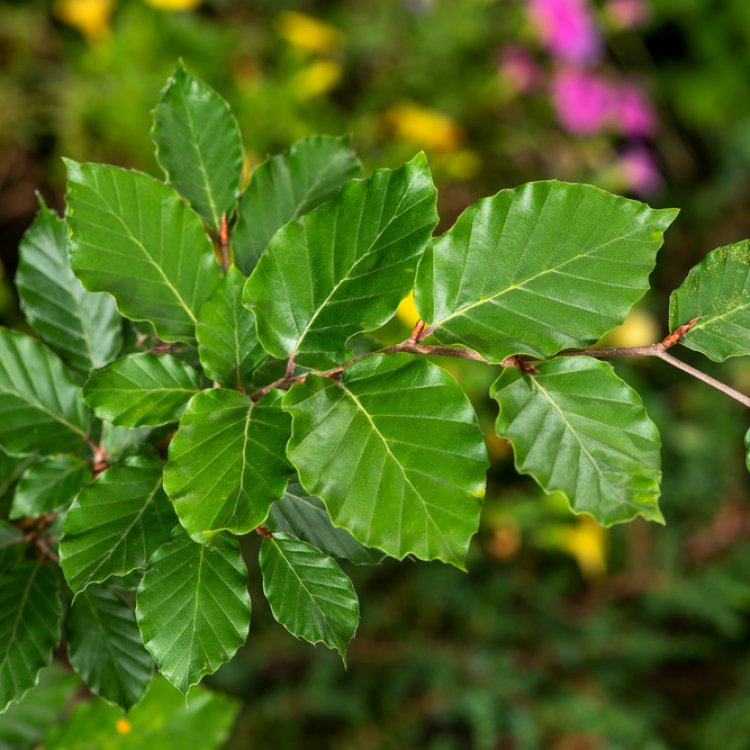
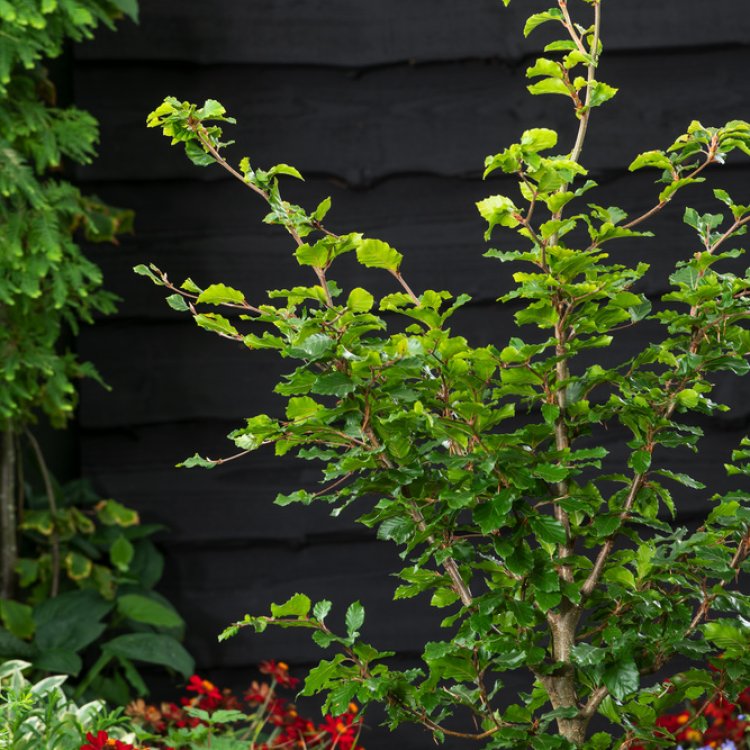
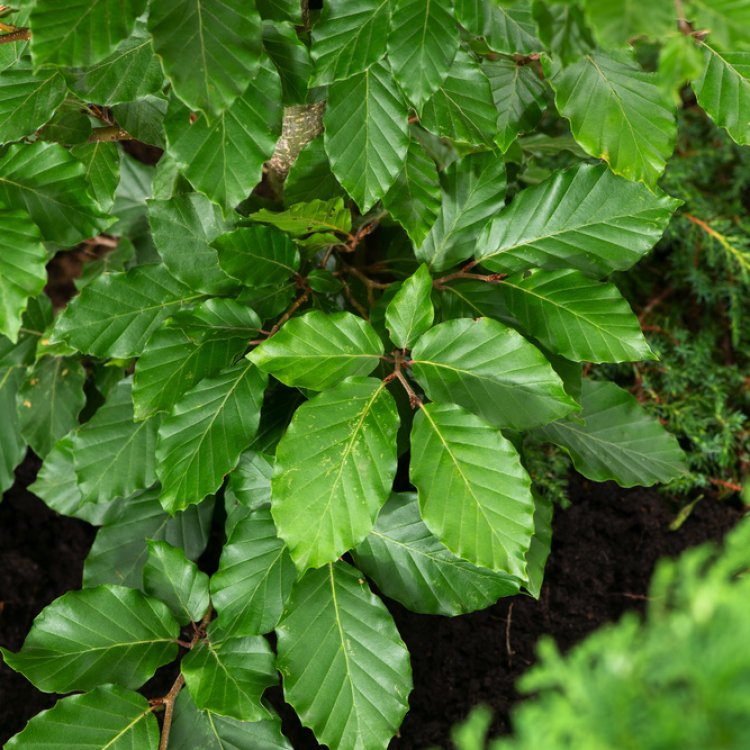
During spring, Fagus sylvatica unfurls vibrant green, oval leaves with gently wavy edges. These leaves offer a fresh, lush appearance throughout the summer months. As autumn arrives, a spectacular transformation occurs. The foliage shifts into breathtaking shades of copper, gold, and russet. This creates a stunning visual display.
Notably, when planted as a hedge, the dried, coppery leaves often persist on the branches through winter. This offers valuable screening and provides shelter for small birds. This marcescent habit adds unique interest, giving structure when many plants are bare.
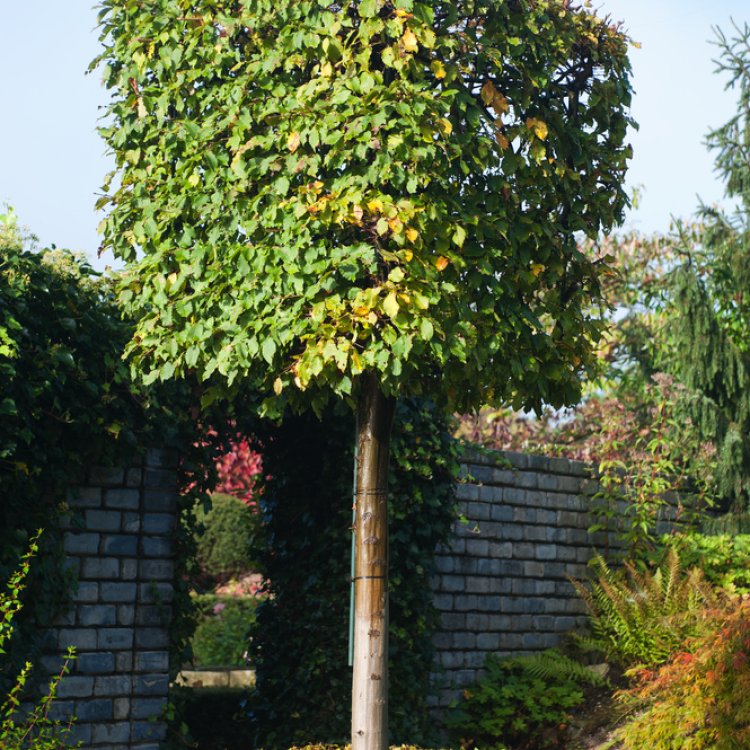
Fagus sylvatica excels in numerous garden roles. As a magnificent specimen tree, it forms a grand, domed canopy, casting dappled shade. Therefore, it is ideal for larger gardens and parklands. Moreover, it is highly prized for formal hedging. It provides a dense, attractive screen that changes with the seasons. Its strong growth responds well to regular shaping. This ensures a neat, tidy boundary.
Additionally, the Common Beech is a haven for wildlife. Its leaves are a food source for caterpillars, which in turn feed young birds. Birds also feast on the small, triangular beech nuts (mast) produced in autumn. Furthermore, the dense canopy offers shelter and nesting sites. Consequently, planting Fagus sylvatica supports local biodiversity.
Gardeners often prune Fagus sylvatica, especially when cultivating it as a hedge. Regular trimming, typically in late summer, encourages dense, bushy growth. This maintains the desired shape and size. Specimen trees generally require minimal pruning. Any dead, damaged, or crossing branches should be removed to maintain health and vigour. This keeps the tree strong and beautiful.
Very hardy. Tolerates temperatures typical of a continental winter.
Young Fagus sylvatica plants require regular watering until established. Mature trees are quite drought tolerant. Generally, established trees do not need feeding. For hedges, apply a balanced granular feed in spring to encourage lush growth. Prune hedges in late summer (July to August) to maintain a crisp, dense shape. Specimen trees need minimal pruning; focus on removing any dead, damaged, or crossing branches to ensure health and an attractive form.
This plant is deciduous so it will lose all of its leaves in the autumn and get fresh new foliage each spring.