£7.65 – £9.05Price range: £7.65 through £9.05
Exochorda racemosa ‘Niagara’ is a delightful deciduous shrub, celebrated for its abundant pure white, pearl-like flowers in late spring. This compact, low-maintenance plant brings elegant charm to any UK garden border or as a specimen, attracting beneficial bees.
432 in stock
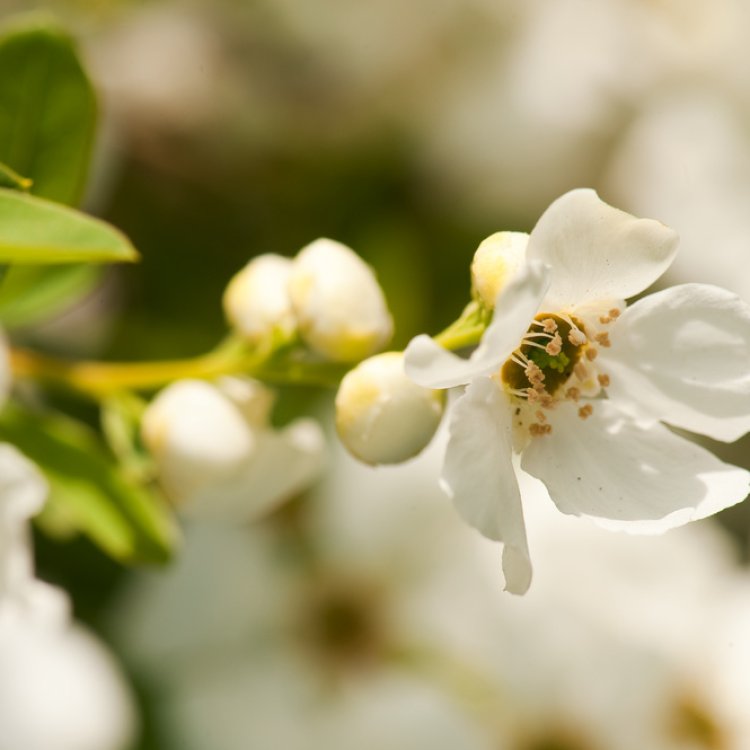
Exochorda racemosa ‘Niagara’ brings a cascade of stunning white flowers to UK gardens each spring, offering a truly captivating display.
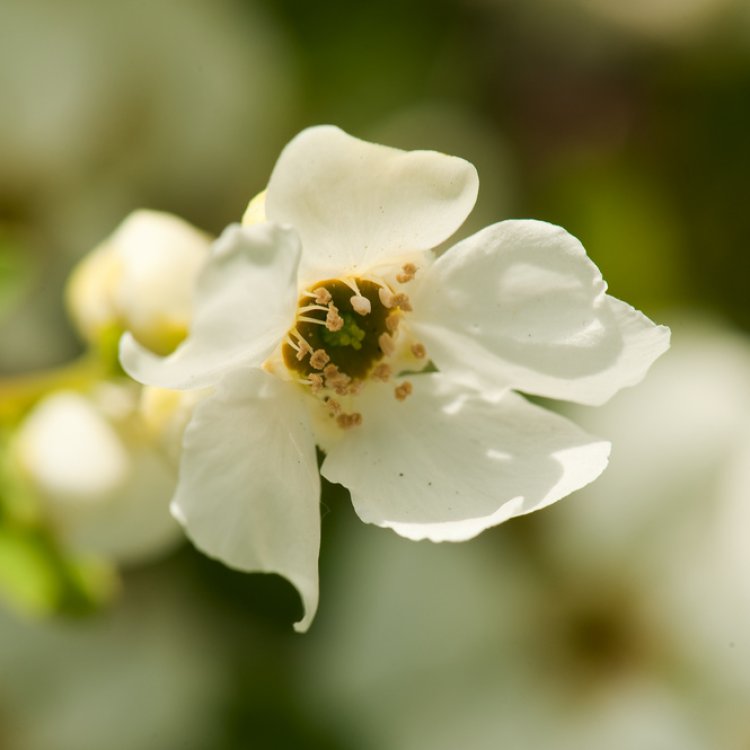
This exquisite deciduous shrub, often known as Pearl Bush, makes a superb addition to any outdoor space. It is celebrated for its abundant, pearl-like flower buds that open into pure white, star-shaped blossoms along graceful arching stems. Furthermore, its compact and rounded habit ensures it fits well into various garden designs, providing an elegant focal point without overwhelming smaller areas. Gardeners across the UK value its beauty and relatively easy care.
The botanical name Exochorda racemosa identifies this plant as a member of the Rose family. Its species name, ‘racemosa’, clearly refers to the racemes or clusters of flowers it produces. Meanwhile, the cultivar ‘Niagara’ earned its name due to the waterfall-like display of its incredibly prolific blooms. This particular cultivar offers a more compact form than the species, reaching an approximate height and spread of 1.5 metres. Consequently, it has become a firm favourite for its manageable size and spectacular spring show. Moreover, it adapts well to diverse garden settings across Britain.
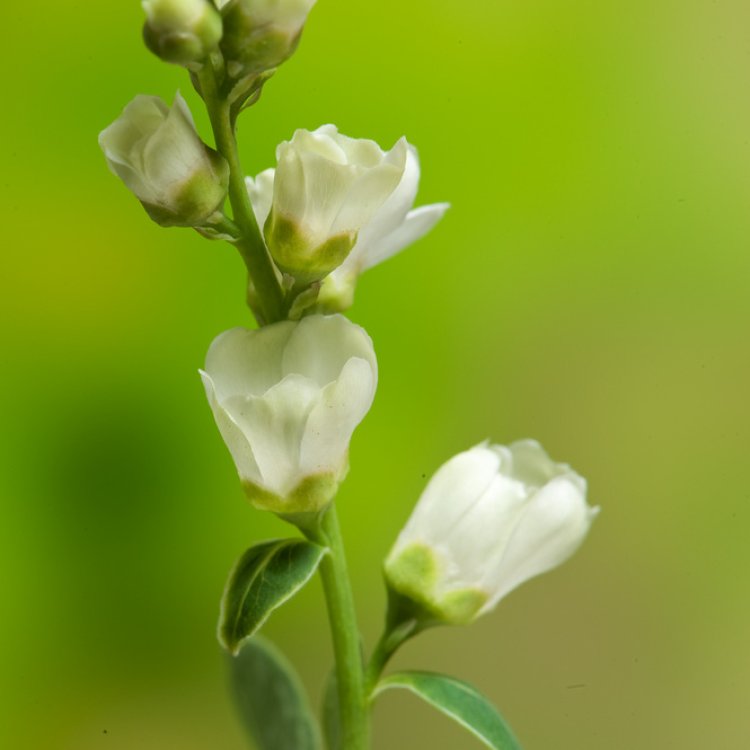
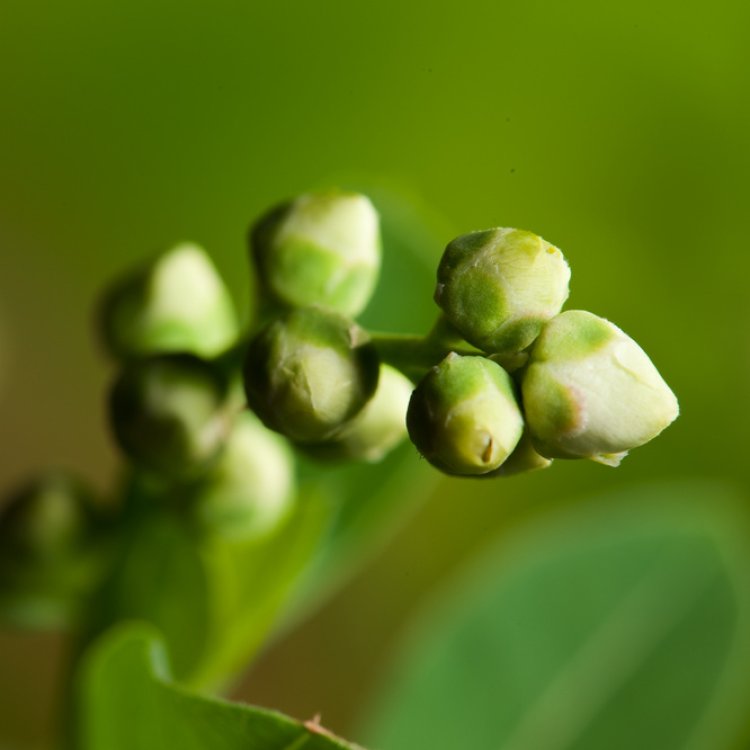
As spring progresses, Exochorda racemosa ‘Niagara’ truly comes alive. First, delicate, spherical buds emerge, resembling a string of pearls. Then, these buds unfurl to reveal pristine white flowers, creating a breathtaking spectacle along each branch. This elegant flowering period typically spans from late May into June, brightening the garden just as other spring blooms begin to fade. Furthermore, its attractive fresh green leaves provide a lush backdrop throughout the summer months. Finally, in autumn, the foliage often develops subtle yellow tones before falling, marking the transition of seasons.
Exochorda racemosa ‘Niagara’ serves many roles in the garden. For example, it makes an excellent specimen plant, drawing the eye with its seasonal beauty. Similarly, it integrates beautifully into mixed borders, adding height and structure. Its rounded shape means it also works well at the back of smaller beds. Given its lovely flowers, it naturally appeals to essential garden visitors. Indeed, its nectar-rich blossoms attract busy bees and other beneficial pollinators, actively supporting local wildlife. While it does not demand heavy pruning, gardeners can lightly prune after flowering to maintain its graceful shape and encourage vigorous new growth. This helps ensure a strong display for the following year.
Very hardy. Tolerates temperatures typical of a continental winter.
Keep the soil consistently moist, particularly during dry spells and in its first year. Apply a balanced, slow-release fertiliser in early spring. Prune after flowering by removing any old, crossing or weak branches and shaping the plant to maintain its elegant form and promote healthy new growth.
This plant is deciduous so it will lose all of its leaves in the autumn and get fresh new foliage each spring.