£4.18 – £4.88Price range: £4.18 through £4.88
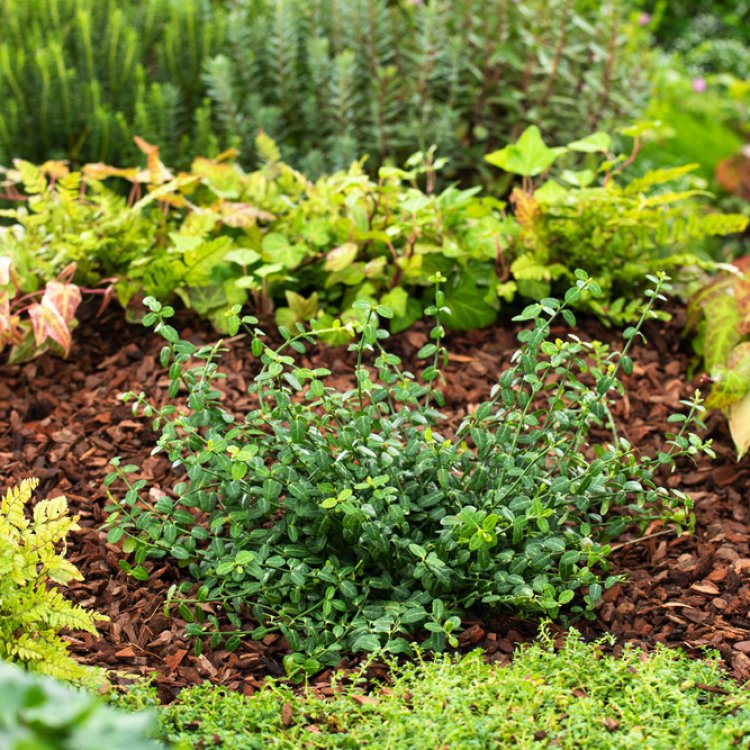
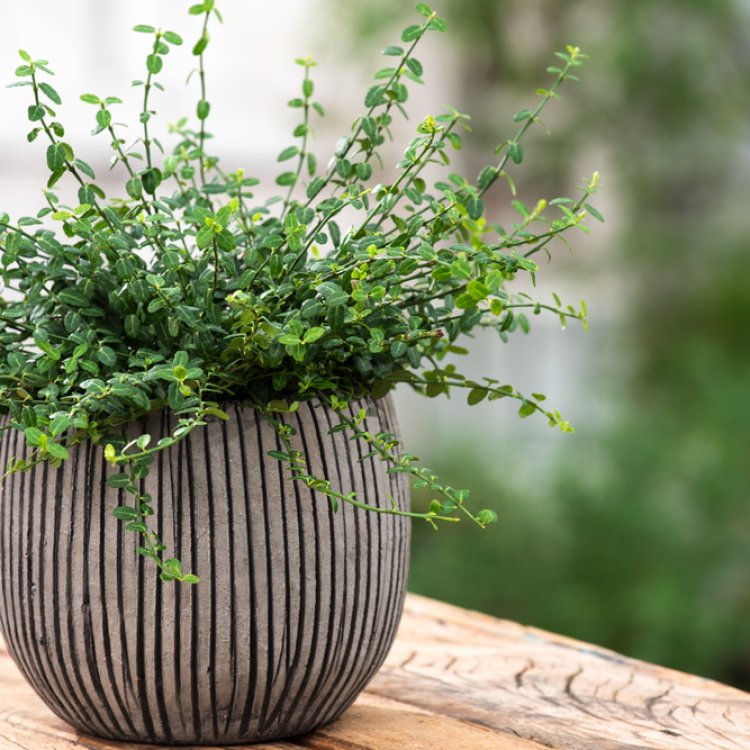
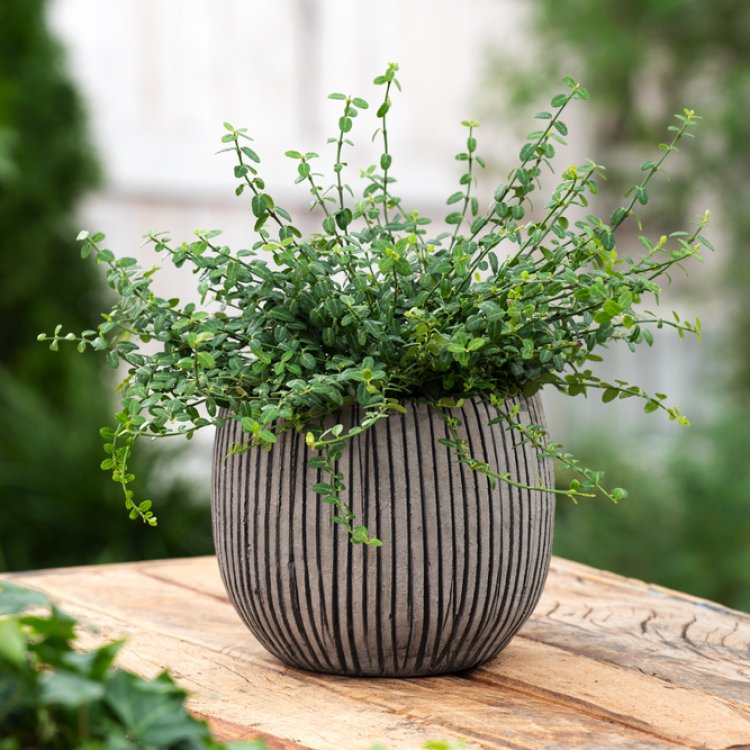
Euonymus fortunei ‘Minimus’ is a charming dwarf evergreen with tiny, dark green leaves that offer year-round interest. This hardy Wintercreeper Spindle makes superb groundcover, ideal for borders, rockeries, or containers, thriving in various conditions.
45 in stock
Euonymus fortunei ‘Minimus’ is a tiny evergreen shrub, celebrated for its compact form and vibrant, year-round foliage, making it ideal for UK gardens.
Euonymus fortunei ‘Minimus’, often known as Wintercreeper Spindle, presents a delightful dwarf cultivar. It adds fine texture to any garden space. This resilient evergreen brings vibrant green, often with subtle winter tints. It makes a valuable asset in smaller areas or as groundcover. It adapts well to various conditions, thriving across many UK garden settings. Its low-growing habit and dense foliage make it a firm favourite.
This specific cultivar is cherished for its exceptionally small stature. It forms a dense, mat-like groundcover, rarely exceeding 15cm in height. It belongs to the species Euonymus fortunei, which originates from East Asia. The name ‘Minimus’ directly translates to ‘smallest’, aptly describing its diminutive size. The species name ‘fortunei’ honours Robert Fortune, a renowned Scottish plant hunter. He introduced many Asian plants to the West.
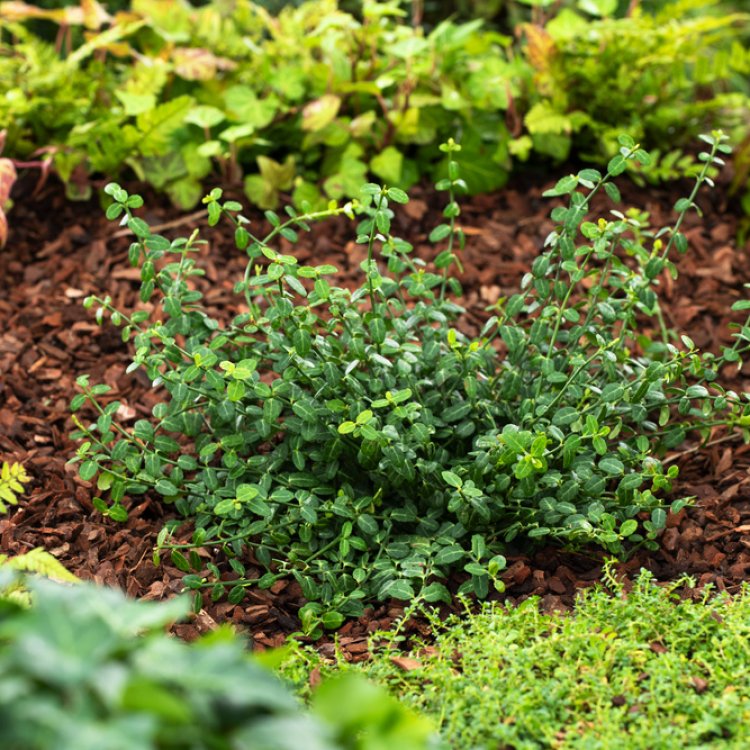
The main attraction of Euonymus fortunei ‘Minimus’ is its exquisite foliage. It boasts tiny, dark green leaves, almost circular and closely packed. During colder months, these leaves often develop charming bronze, red, or purple tints, adding seasonal interest. While this plant produces small, greenish-white flowers in summer, they are inconspicuous. They do not significantly contribute to its ornamental value. Its dense, evergreen leaf display offers consistent appeal.
Euonymus fortunei ‘Minimus’ is remarkably versatile in the garden. Its low-growing, spreading nature makes it an excellent choice for groundcover, effectively suppressing weeds. It works beautifully for edging paths and borders, creating a neat, defined look. It also shines in rockeries, where its texture contrasts well with stones. Many gardeners use it in containers or allow it to cascade gracefully over low walls, adding softness and structure.
Generally, this plant requires minimal pruning. Light shaping in spring is usually sufficient to maintain its tidy appearance. Or, prune to restrict its spread if it grows beyond its designated area. This simple maintenance keeps the plant dense and healthy. Its small flowers may offer limited nectar to tiny insects. However, Euonymus fortunei ‘Minimus’ is not a primary plant for attracting bees or butterflies. It primarily serves as a structural and textural element.
Very hardy. Tolerates temperatures typical of a continental winter.
Euonymus fortunei 'Minimus' is a low-maintenance plant. Water regularly during dry spells, especially when establishing. Established plants are fairly drought-tolerant. Feed annually in spring with a general-purpose fertiliser to encourage healthy growth. Lightly prune in late spring to maintain shape and desired spread. It is generally pest and disease resistant, making it an easy-care addition to most gardens.