£4.73 – £5.44Price range: £4.73 through £5.44
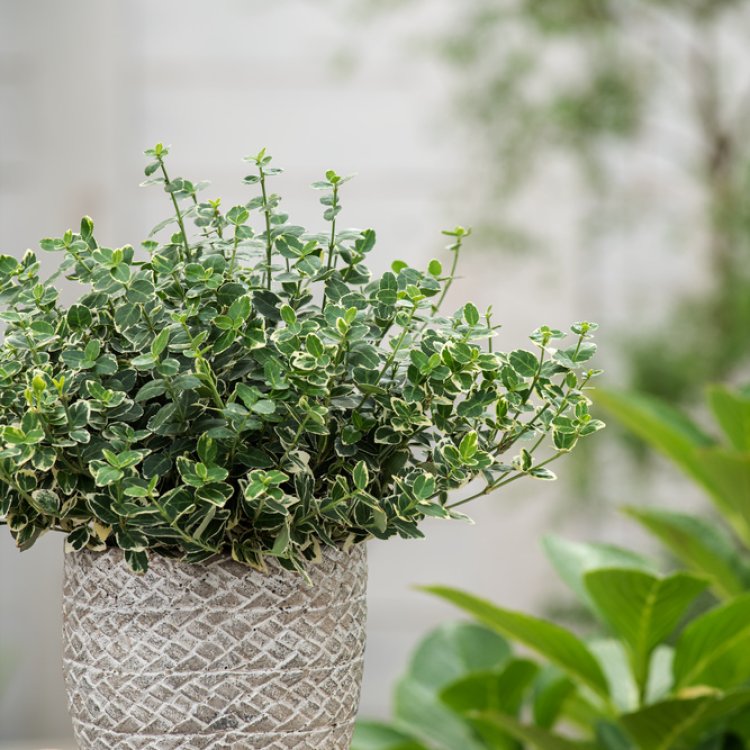
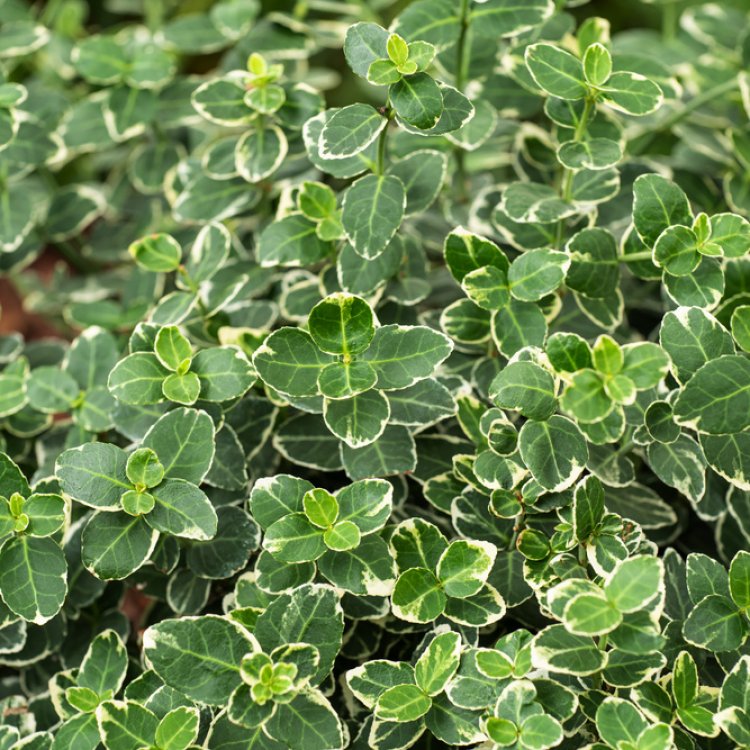
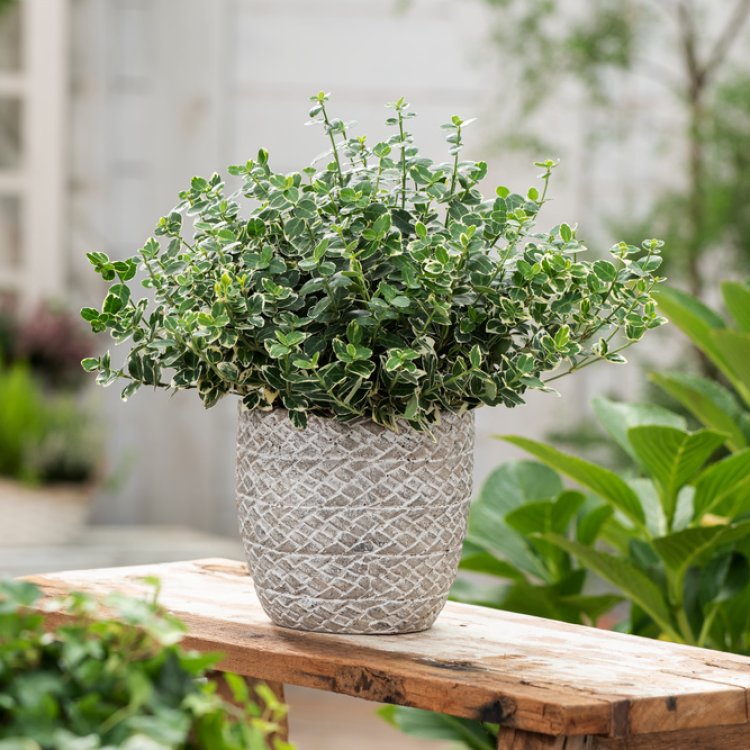
Euonymus fortunei ‘Emerald Gaiety’ is a vibrant evergreen shrub known for its stunning variegated foliage. Its dark green leaves with creamy-white margins develop pink winter hues, offering year-round colour and charm to any UK garden.
3000 in stock
Discover Euonymus fortunei ‘Emerald Gaiety’, a vibrant evergreen shrub celebrated for its stunning variegated foliage and adaptable nature in UK gardens.
This versatile plant offers year-round visual interest, making it a garden favourite. Its distinctive green leaves with creamy-white margins brighten any space, bringing consistent colour even through the colder months. Euonymus fortunei ‘Emerald Gaiety’ is exceptionally hardy and simple to care for, thriving in various conditions across the United Kingdom. It provides a reliable splash of vibrancy where other plants might falter, truly standing out in the landscape.
Euonymus fortunei ‘Emerald Gaiety’ is a popular cultivar of the wintercreeper euonymus species. The genus name ‘Euonymus’ comes from the Greek for ‘good name’ or ‘good omen’. The species name ‘fortunei’ honours Robert Fortune, a Scottish botanist who introduced many plants from China and Japan. ‘Emerald Gaiety’ aptly describes its cheerful, jewel-toned variegated leaves, reflecting its bright appearance.
The primary appeal of Euonymus fortunei ‘Emerald Gaiety’ lies in its captivating foliage. Each small, oval leaf boasts a rich, dark green centre beautifully outlined by irregular, creamy-white margins. As autumn progresses into winter, these margins often take on charming pink or reddish hues. This transformation adds welcome warmth and seasonal colour to the garden when little else is flowering, truly enhancing winter displays.
While Euonymus fortunei ‘Emerald Gaiety’ does produce tiny, insignificant green-white flowers in summer, they are rarely noticed. The plant is primarily grown for its stunning leaves rather than its blooms. Consequently, its contribution to wildlife is minimal in terms of nectar for pollinators. However, its dense evergreen habit does provide valuable year-round shelter for small garden creatures, offering a safe retreat.
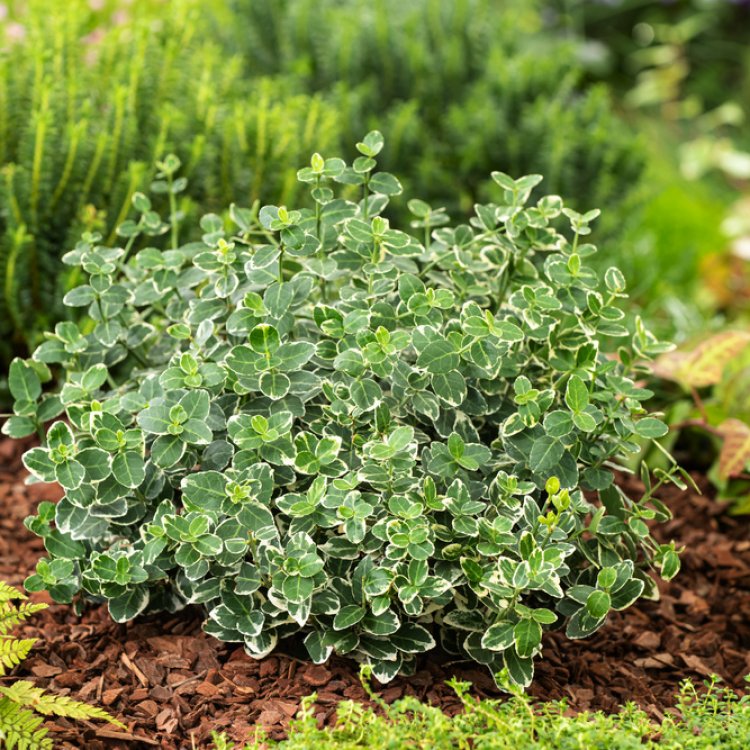
This versatile plant is a superb choice for various garden applications. It excels as a vibrant groundcover, creating a dense, weed-suppressing carpet. You can also use it to edge borders, cascade over walls, or brighten up containers and rockeries. With some support, Euonymus fortunei ‘Emerald Gaiety’ can even be trained to gently climb, offering appealing vertical interest in a mixed planting scheme.
Euonymus fortunei ‘Emerald Gaiety’ grows with a spreading habit, forming a neat mound if left unpruned. However, it responds very well to shaping. Light pruning in spring can maintain its desired size and form, or even encourage a bushier appearance. Furthermore, it is wise to remove any plain green-leaved reversions promptly to preserve the distinct variegation and keep its unique charm.
Very hardy. Tolerates temperatures typical of a continental winter.
Water well until established; it becomes drought tolerant thereafter. Fertilising is generally not required, but a light, balanced feed in spring can encourage growth. Prune in spring to maintain desired shape, control spread, or remove any plain green-leaved reversions to preserve variegation. Generally trouble-free, but watch for scale insects or powdery mildew in poorly ventilated areas.