£3.58 – £4.28Price range: £3.58 through £4.28
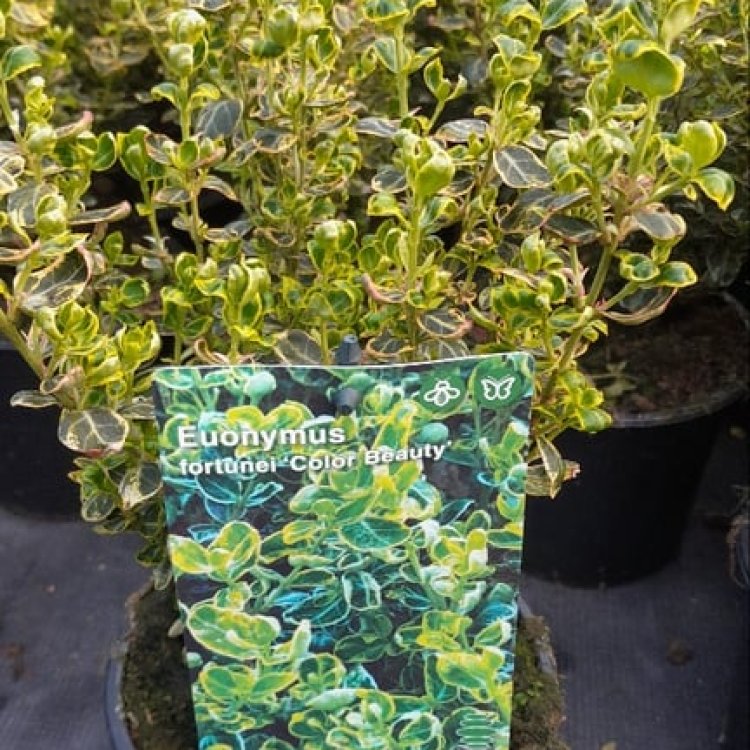
Euonymus fort. ‘Color Beauty’ is a stunning evergreen shrub, showcasing vibrant variegated foliage with green and creamy-white leaves. Hardy and adaptable, it provides year-round colour and excellent ground cover, perfect for UK gardens.
404 in stock
Euonymus fort. ‘Color Beauty’ is an outstanding evergreen shrub, celebrated for its vibrant variegated foliage, bringing year-round interest to any UK garden.
This versatile plant, a captivating cultivar of Euonymus fortunei, offers delightful splashes of colour. Its remarkable adaptability makes it a superb choice for various garden settings across the UK, thriving in diverse conditions. With its naturally compact and spreading habit, Euonymus fort. ‘Color Beauty’ provides continuous visual appeal. It ensures your outdoor space remains captivating through all seasons. This resilient shrub truly enhances garden aesthetics effortlessly.
About Euonymus fort. ‘Color Beauty’
The genus Euonymus is diverse, comprising many species and cultivars. Its name originates from Greek, meaning “good name” or “good fortune,” perhaps reflecting the beauty or useful qualities of certain species. Euonymus fort. ‘Color Beauty’ is a specific cultivar of Euonymus fortunei, a species commonly known as Wintercreeper Euonymus. This particular variety stands out due to its striking leaf patterns, hence its descriptive cultivar name. It originates from eastern Asia, consequently adapting well to a range of climates including the UK.
Vibrant Foliage and Appearance
Euonymus fort. ‘Color Beauty’ truly lives up to its name, showcasing a display of vibrant foliage throughout the year. Each leaf presents a rich green centre elegantly edged with creamy-white margins. As the cooler autumn and winter months arrive, these margins often develop charming pink or reddish tints, further enhancing its visual appeal. Therefore, it consistently adds a dynamic splash of colour when many other plants fade. Its dense growth creates a lush, textured carpet, which makes it an excellent choice for consistent garden beauty.
While most Euonymus varieties produce small, inconspicuous greenish flowers in summer, the main draw of Euonymus fort. ‘Color Beauty’ remains its stunning foliage. Any floral display is secondary to its colourful leaves. However, these flowers can attract some small insects, thus contributing to garden biodiversity on a minor scale. Following flowering, small pinkish fruits may form. These are often enjoyed by birds, though they are less prominent on this cultivar.
Versatile Garden Uses
This adaptable shrub is perfectly suited for numerous applications within the UK garden landscape. Due to its low-growing and spreading nature, it excels as effective ground cover, suppressing weeds and providing a neat finish. Moreover, it is ideal for edging borders, creating a defined and colourful perimeter. Plant Euonymus fort. ‘Color Beauty’ in rockeries to cascade over stones, or use it in containers for a portable display of evergreen variegation. Its resilient character makes it suitable for urban gardens or challenging spots.
Pruning and Wildlife Benefits
Euonymus fort. ‘Color Beauty’ generally requires minimal pruning. Occasional trimming in late spring or early summer helps maintain its desired shape and density. This practice also prevents it from spreading too widely. Always remove any plain green shoots that may appear. These reversions will eventually dominate the variegated foliage.
While not a primary pollinator plant, its dense growth offers valuable shelter for small garden creatures. Birds may also feed on any small fruits that develop, adding to its wildlife friendly attributes.
Very hardy. Tolerates temperatures typical of a continental winter.
Water regularly during its establishment period; once settled, it shows good drought tolerance. Thrives in any well-drained soil type, demonstrating broad adaptability. Apply a balanced, general-purpose fertiliser in spring if growth seems sluggish or leaves look pale; usually not a heavy feeder. Prune in late spring or early summer. Trim to maintain its desired shape and control spread. Crucially, remove any plain green (reverted) shoots promptly to preserve the variegation. Generally robust, but occasionally susceptible to powdery mildew in poor air circulation or scale insects. Highly hardy in most UK regions. Young plants might benefit from a light mulch at the base in exceptionally harsh or prolonged freezing conditions.