£59.53 – £68.96Price range: £59.53 through £68.96
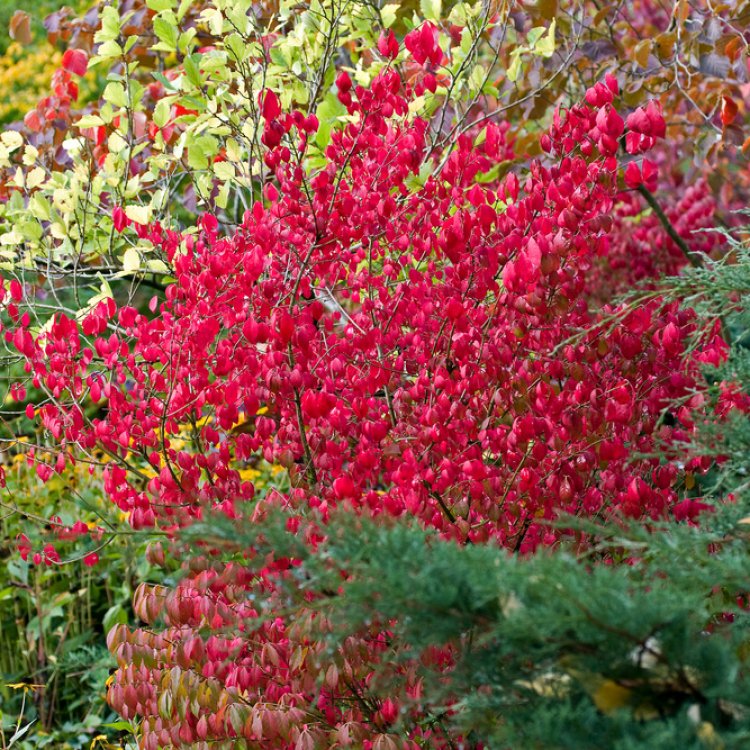
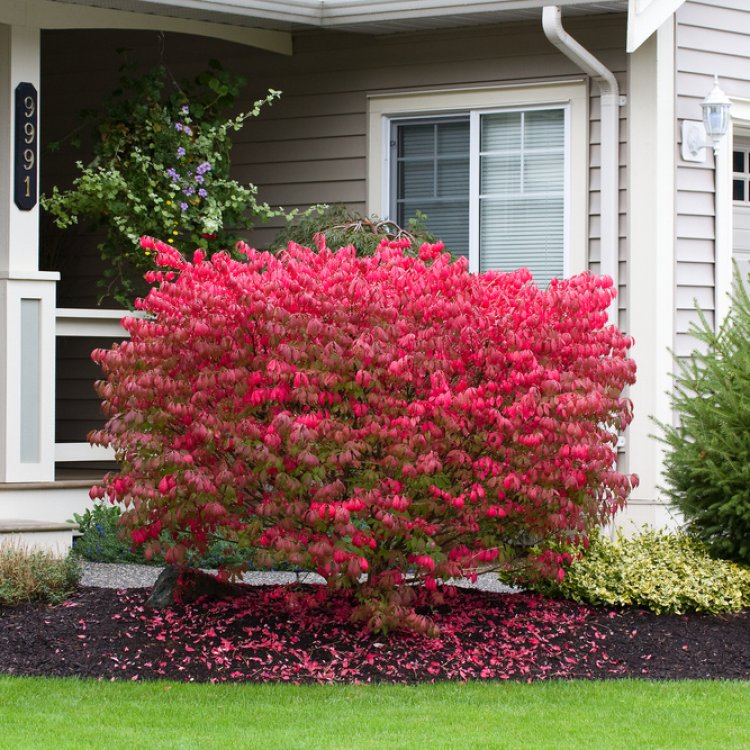
Euonymus alatus, the Winged Spindle, delivers spectacular autumn colour with fiery crimson foliage. Its unique corky stems offer winter interest, making this hardy, adaptable shrub a stunning focal point in any UK garden.
49 in stock
Discover Euonymus alatus, a captivating deciduous shrub celebrated for its unique corky winged stems and spectacular autumn foliage.
Euonymus alatus, often known as Winged Spindle, offers truly remarkable seasonal interest to any garden. This hardy shrub captivates with its distinctive, angular branches. It then transforms in autumn, displaying an incredible blaze of scarlet. Hailing from East Asia, this adaptable plant thrives in UK gardens, establishing itself as a cherished focal point. Gardeners value its robust nature and the structural beauty it brings to the landscape.
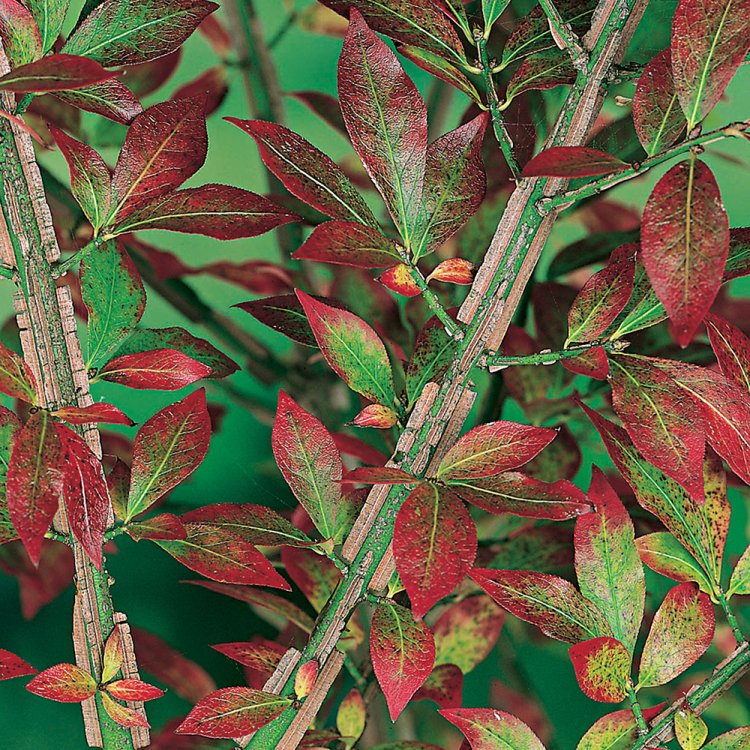
Euonymus alatus is a deciduous shrub that brings a dynamic presence to the garden. Its name, ‘alatus’, directly translates to ‘winged’, a clear reference to the prominent, corky ridges that develop on its young stems. These fascinating wings add significant visual appeal, particularly in winter when the leaves have fallen. Furthermore, this plant provides structure during the colder months.
Although its flowers are subtle, small, and greenish-yellow, appearing in late spring, the true spectacle of Euonymus alatus unfolds with its autumn foliage. The leaves transition from a vibrant green to an electrifying, intense crimson. This dramatic colour change truly earns it the common name ‘Burning Bush’. Originating from regions across Northeast Asia, this species has found a welcome home in British gardens. It thrives in our temperate climate.
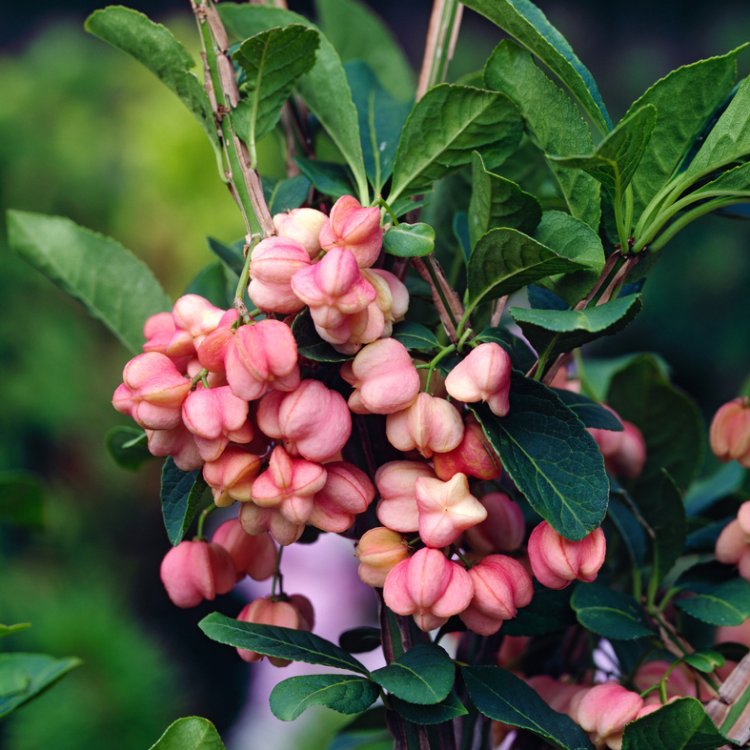
Plant Euonymus alatus where its brilliant autumn show can be fully appreciated. It makes an excellent specimen shrub in a border. Moreover, it works well within a mixed planting scheme. Its dense habit offers shelter for small birds, and the fruits, while toxic to humans and pets, provide a food source for some garden birds during colder months. Light pruning in late winter or early spring helps maintain its shape. This practice also removes any dead or crossing branches, ensuring a healthy structure. The plant naturally develops an attractive, rounded form.
Very hardy. Tolerates temperatures typical of a continental winter.
Euonymus alatus is generally low-maintenance once established. Plant in well-drained soil in a position that receives full sun to partial sun for the best autumn colour. Water regularly during its first year to help establish a strong root system. After establishment, it is relatively drought-tolerant. Pruning is seldom required beyond removing dead, damaged, or crossing branches in late winter or early spring to maintain a tidy shape. Avoid heavy pruning as this can detract from its natural form. Feed with a general-purpose fertiliser in spring if growth appears sluggish. It is generally pest and disease free.
This plant is deciduous so it will lose all of its leaves in the autumn and get fresh new foliage each spring.