£52.70 – £64.57Price range: £52.70 through £64.57
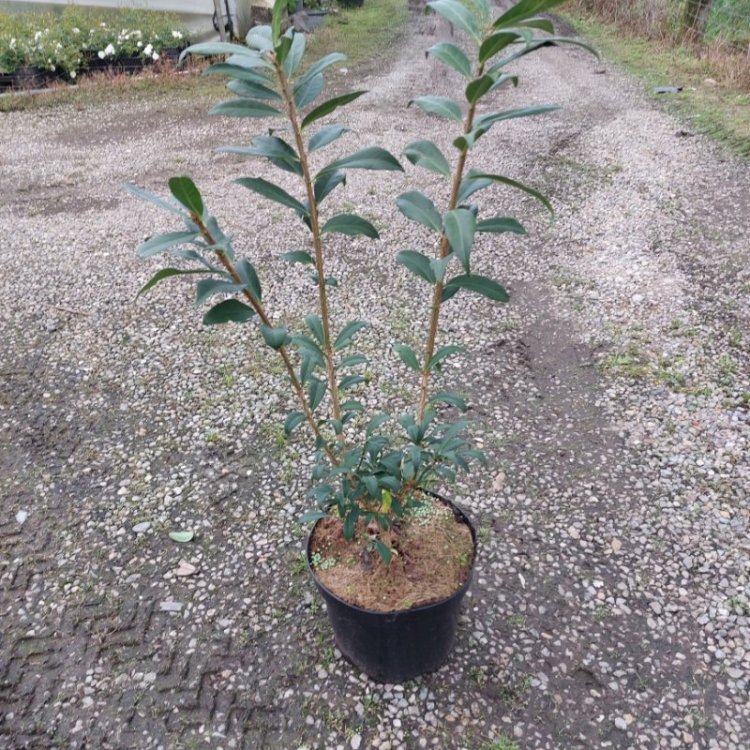
Euonymus alatus ‘Compactus’ offers spectacular fiery red autumn foliage and unique cork-winged stems for year-round interest. This compact, easy-care shrub is perfect for UK gardens, providing colour and a food source for birds.
249 in stock
Euonymus alatus ‘Compactus’ is a remarkable deciduous shrub, celebrated for its vivid fiery red autumn foliage and distinctive corky winged stems.
This popular ornamental plant, often known as the Burning Bush or Dwarf Burning Bush, brings spectacular seasonal interest to any UK garden. Originating from northeastern Asia, this compact cultivar offers a stunning display, especially as cooler weather arrives. Its dense, rounded shape makes it highly versatile, fitting neatly into various garden designs and providing a delightful visual impact throughout the year. Gardeners cherish it for its ease of growth and its truly unforgettable autumn transformation.
The botanical name, Euonymus alatus ‘Compactus’, reflects its key features. “Euonymus” comes from Greek, meaning “good name” or “good fortune.” “Alatus” means winged, referring to the unique corky ridges or “wings” that develop on its stems. The cultivar name “Compactus” precisely describes its naturally smaller, denser growth habit compared to the species. Therefore, it perfectly suits its common names, “Burning Bush” and “Dwarf Burning Bush,” given its intense autumn colour and reduced size. This ensures it remains a manageable yet striking choice for many gardeners.
Through spring and summer, Euonymus alatus ‘Compactus’ displays fresh green, ovate leaves that create a lush, uniform appearance. However, its true glory unfolds in autumn. The foliage transitions into an astonishing range of crimson and fiery red hues, truly living up to its “Burning Bush” moniker. This vibrant display lasts for several weeks, adding warmth and drama to the autumn landscape. Small, greenish-yellow flowers emerge in late spring or early summer, though they are quite modest and often go unnoticed. Following these flowers, however, come bright orange-red berries that ripen in autumn. These berries are attractive and persist on the bare branches well into winter, offering continued visual interest after the leaves have fallen. Furthermore, the distinctive corky wings on its stems become more prominent in winter, adding another layer of texture.
Euonymus alatus ‘Compactus’ proves an excellent choice for a variety of garden uses. Its neat, compact shape makes it perfect for creating low hedges, edging borders, or as a striking specimen plant in a small garden. It also works beautifully in mixed shrub borders, adding a burst of intense autumn colour. For example, gardeners often place it near paths where its winter stem interest can be admired. This plant requires minimal pruning; typically, you only need to remove any dead, damaged, or crossing branches. If shaping is desired, a light trim after flowering will suffice. Importantly, the berries produced by Euonymus alatus ‘Compactus’ serve as a valuable food source for various bird species during the colder months, making it a wonderful addition for wildlife-friendly gardens across the UK.
Very hardy. Tolerates temperatures typical of a continental winter.
Water well after planting until established, especially during dry spells. Requires minimal pruning; remove dead, damaged, or crossing branches in late winter or early spring. If shaping is desired, a light trim can be performed after flowering. Fertilising is generally not necessary in fertile soils.
This plant is deciduous so it will lose all of its leaves in the autumn and get fresh new foliage each spring.