£7.09 – £7.81Price range: £7.09 through £7.81
Bring vibrant winter colour to your UK garden with Erica carnea, the resilient Winter Heath. This evergreen shrub boasts bell-shaped blooms from December to April, providing vital food for early pollinators. It’s a low-maintenance, hardy plant perfect for ground cover.
98 in stock
Discover Erica carnea, the versatile Winter Heath, bringing essential colour and life to your UK garden throughout the colder months and into early spring.
Winter Heath, or Erica carnea, offers a welcome display when many other plants are dormant. This resilient evergreen shrub is cherished for its vibrant, bell-shaped flowers, appearing from late autumn right through to spring. It thrives in various UK garden settings, bringing much-needed cheer during the greyest days. Furthermore, its easy-care nature makes it a superb choice for both novice and experienced gardeners seeking reliable, long-lasting appeal.
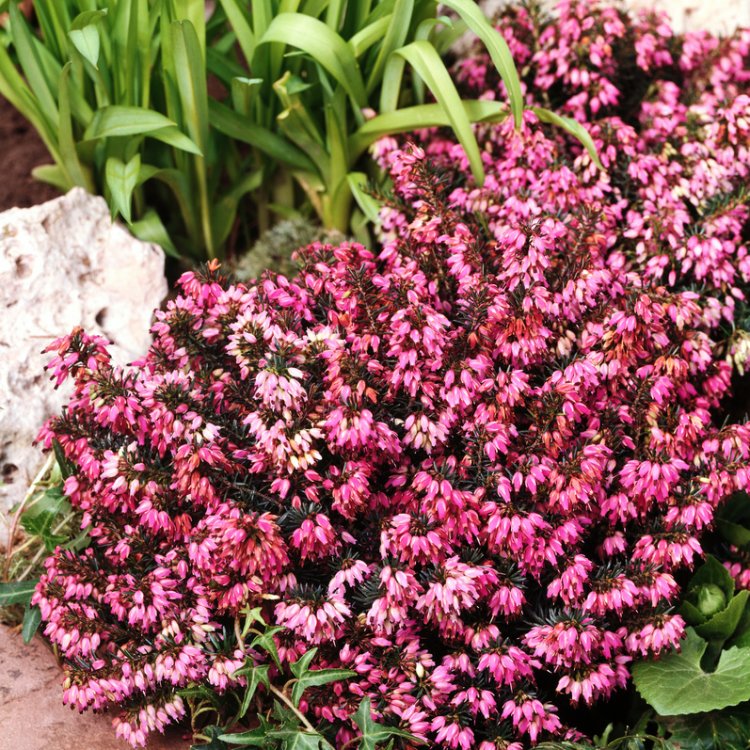
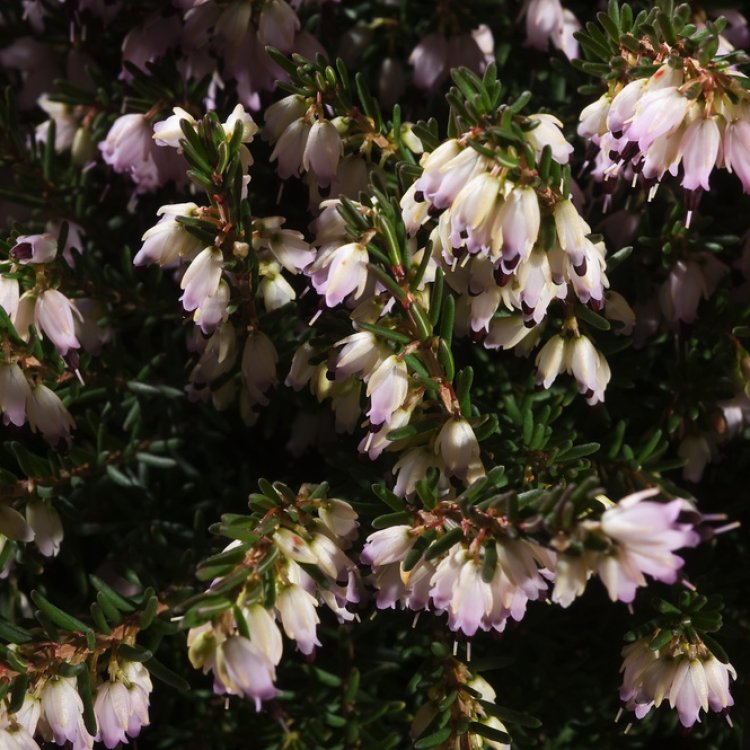
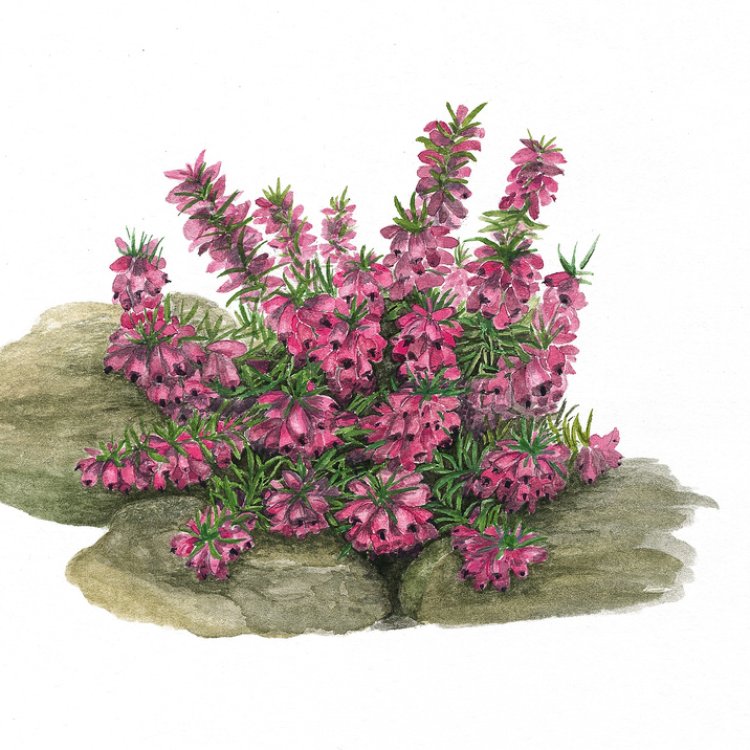
The delightful Erica carnea is a low-growing, spreading evergreen shrub, a true gem for any British garden. It stands out by flowering when little else does. Many superb cultivars exist, presenting a stunning array of flower colours, ranging from pristine whites to soft pinks and deep purples. These variations allow for diverse planting schemes.
The genus name, Erica, derives from the ancient Greek word “ereike,” meaning “heather.” The species epithet, carnea, comes from Latin, translating to “flesh-coloured.” This name aptly describes the typical soft pink or rose-pink hues of the species’ original blooms. Moreover, it accurately reflects the plant’s natural beauty.
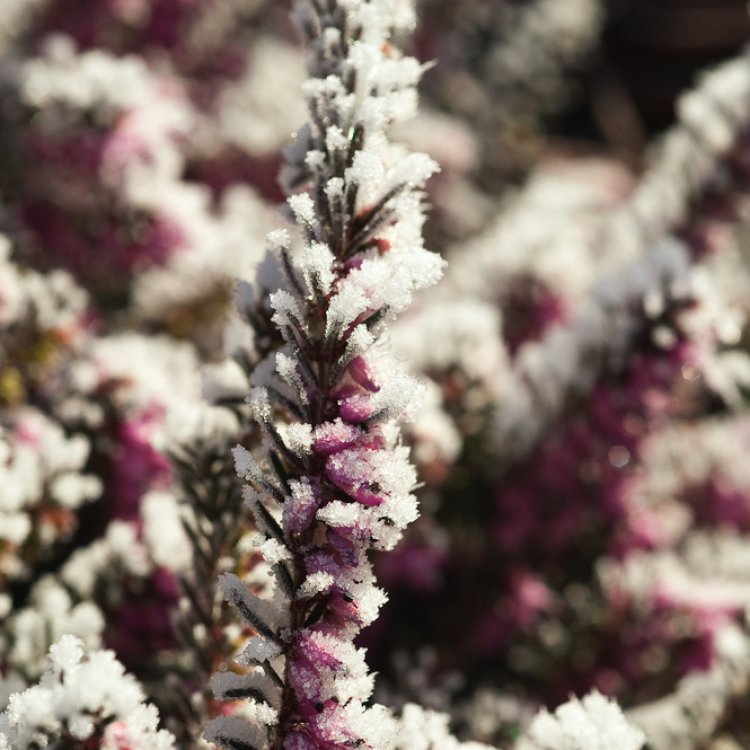
This appealing plant showcases dense, needle-like foliage, which remains attractive all year. In fact, some varieties even develop a bronze tint during the colder months, adding further visual interest. The small, bell-shaped flowers emerge in abundant racemes. They create a charming, colourful carpet across the plant’s low mounds. Bees and other early-season pollinators eagerly visit these blooms, finding a vital food source when few others are available. Consequently, your garden becomes a haven for essential wildlife.
Erica carnea is wonderfully versatile in the garden. For example, it excels as an effective ground cover, supressing weeds and adding texture. It also shines when planted at the front of borders, forming a neat, evergreen edge. Similarly, it is perfect for rock gardens, container planting, or slopes, where its spreading habit can be fully appreciated. Importantly, this plant offers significant winter interest, transforming dull garden areas into vibrant scenes.
This resilient plant generally requires minimal attention. A light prune after flowering, usually in late spring, helps maintain a compact shape. Furthermore, this simple task encourages robust new growth. It also ensures a spectacular floral display in the following season. Always remember to use sharp, clean secateurs for best results.
Hardy in the harshest UK conditions and below. Suitable for mountain regions.
Water newly planted Erica carnea regularly until established, especially during dry spells. Established plants are fairly drought-tolerant. A light feed with a general-purpose fertiliser in spring can encourage vigorous growth. Prune lightly after flowering by removing spent blooms and up to a third of the previous year's growth to maintain a compact, bushy habit and encourage future flowering. Apply a mulch of grit or compost around the base in spring to help suppress weeds and retain moisture. Generally pest and disease resistant, inspect plants periodically for any issues.