£3.02 – £4.43Price range: £3.02 through £4.43
Eleocharis palustris, the common spike-rush, is a native aquatic perennial. It brings natural beauty and vital ecological benefits to UK pond margins and bog gardens, offering year-round green interest. It supports wildlife and is easy to care for.
300 in stock
Discover Eleocharis palustris, the common spike-rush, a graceful native aquatic plant bringing natural beauty and vital ecological benefits to UK gardens.
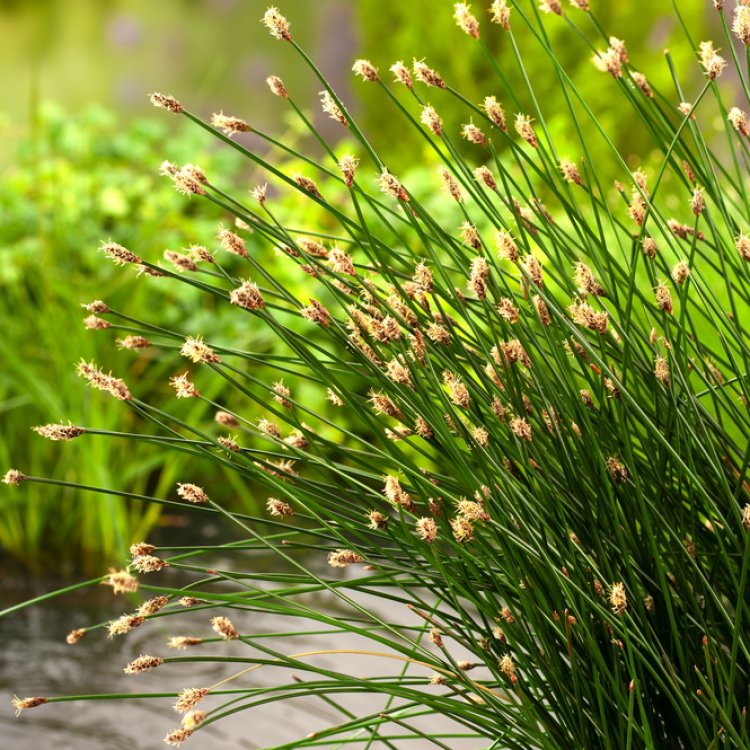
Eleocharis palustris, often called Common Spike-rush, is a delightful perennial. It thrives in wetland environments and pond margins across the UK. This slender rush offers a calming, verdant presence. It creates a soft, textural contrast in aquatic settings. Its simple elegance enhances the natural charm of any water feature. Gardeners select this adaptable plant for its ecological value. It provides habitat and food for various wildlife.
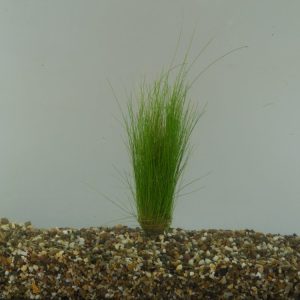
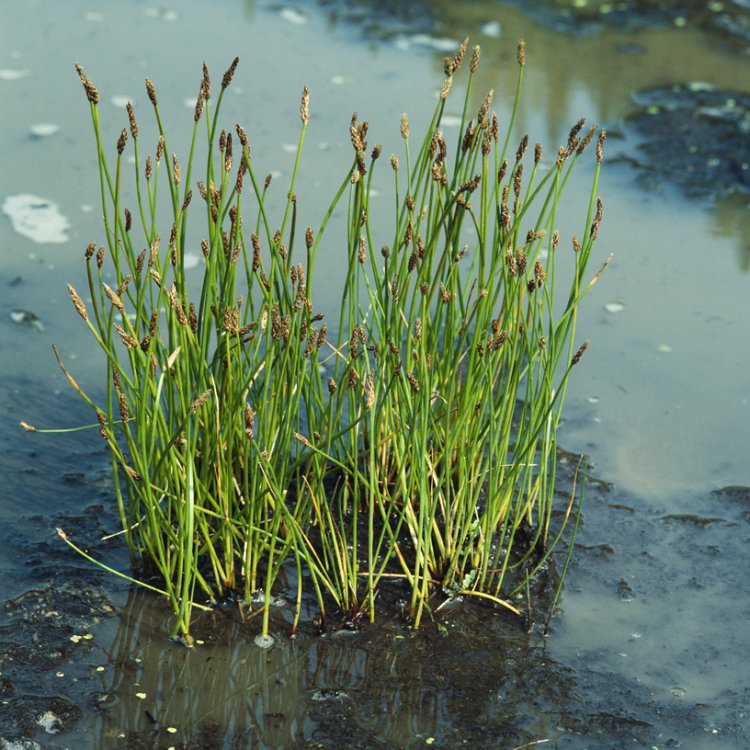
The name Eleocharis palustris comes from Greek and Latin. “Helocharis” means “marsh delight.” “Palustris” means “of marshes.” This accurately describes its preferred wet home. The plant grows delicate, bright green stems. They stand tall, creating a dense, rush-like look. Small, brown flower spikes appear on stem tips in summer. These spikes are not showy, yet they add a subtle, natural charm to the plant.
Its green stems provide continuous visual interest throughout the year. This is especially true in milder UK climates, adding structure even in winter.
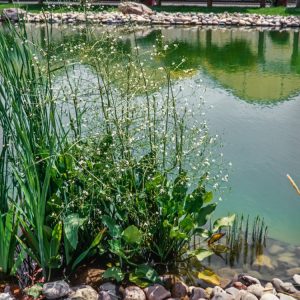
Gardeners use this versatile spike-rush for its simple, elegant form. It excels at naturalising pond edges and bog gardens. Plant it in shallow water, just a few centimetres deep, or in very moist soil. Eleocharis palustris softens pond edges. It helps them blend into the landscape. Furthermore, it offers cover and a safe home for small fish and amphibians.
The plant’s spreading habit helps stabilise pond banks. This actively prevents erosion. It truly transforms water features into vibrant ecosystems.
This native plant helps local wildlife greatly. Its dense growth offers shelter for many aquatic insects. These insects then feed birds and other pond animals. While it lacks bright flowers, it forms a key part of the wetland food web. Eleocharis palustris spreads by rhizomes. This helps it establish firmly. Minimal pruning is needed.
Simply remove brown or dead stems in late autumn or early spring. This keeps the plant tidy. It also encourages new growth. It is quite low-maintenance, making it superb for busy gardeners seeking ecological benefits.
Hardy in the harshest UK conditions and below. Suitable for mountain regions.
Plant Eleocharis palustris in shallow water at pond margins or in bog gardens where the soil remains consistently wet. Ensure the roots are submerged or in very damp substrate. It spreads by rhizomes, so consider planting in aquatic baskets to manage its spread in smaller ponds. No significant pruning is necessary beyond removing any brown or dead stems in late autumn or early spring to maintain a tidy appearance and encourage fresh growth.