£9.47 – £11.83Price range: £9.47 through £11.83
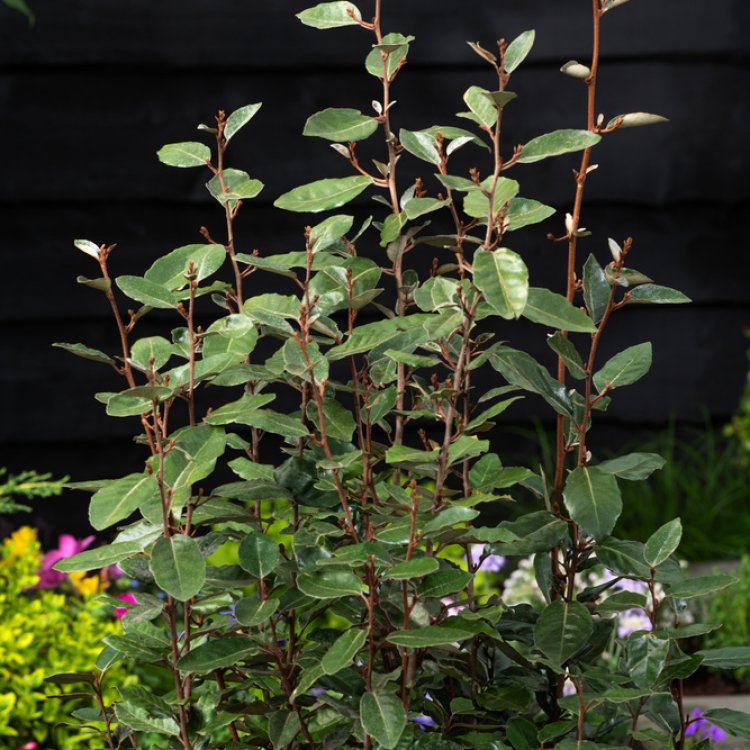
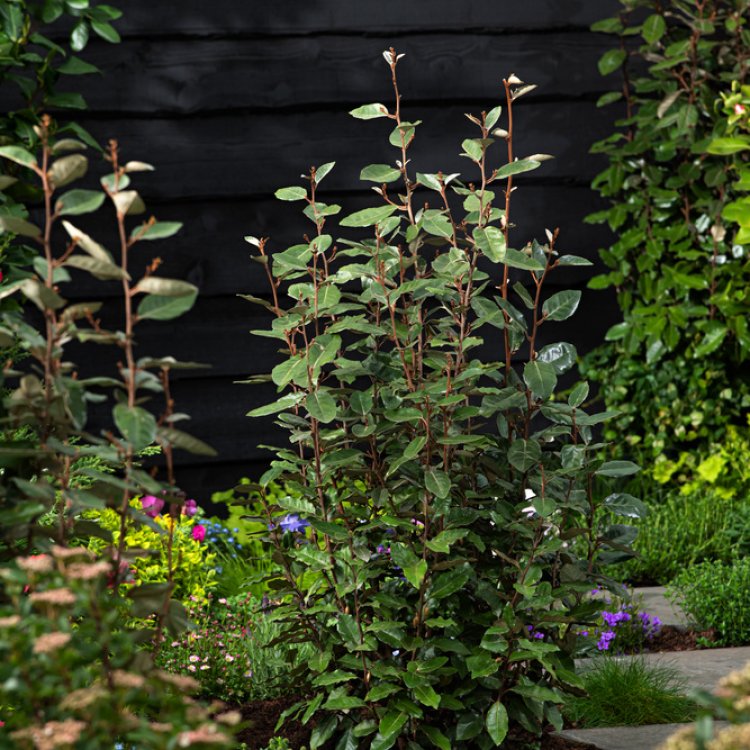
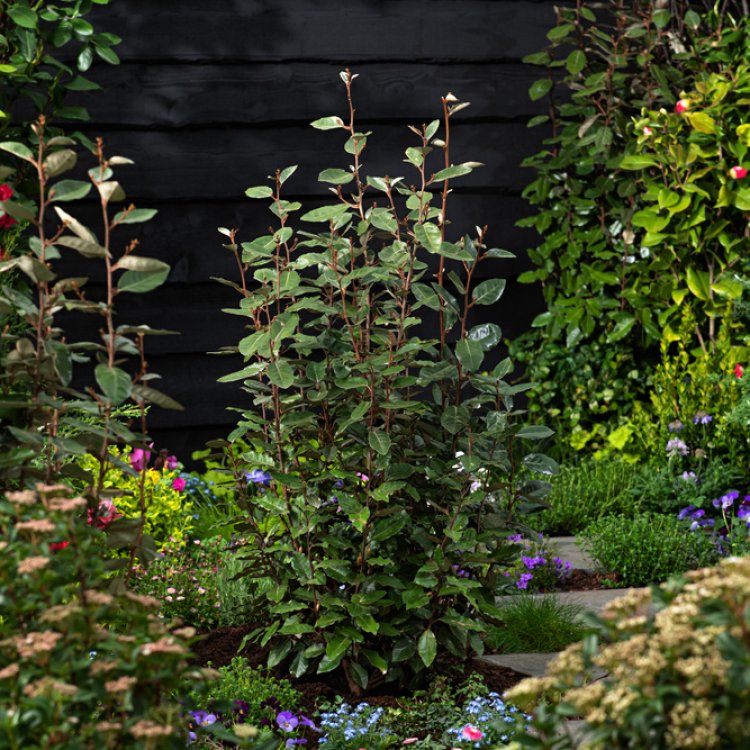
Elaeagnus ebbingei ‘Compacta’ is a tough evergreen shrub offering year-round glossy foliage. Its compact form suits various garden uses, from hedging to specimen planting. Enjoy subtle, fragrant autumn flowers and winter berries, all with minimal fuss.
170 in stock
Discover Elaeagnus ebbingei ‘Compacta’, a robust evergreen shrub offering year-round interest and exceptional resilience for diverse UK garden settings.
This superb plant is a top choice for many gardens, known for its dense, bushy growth and reliable hardiness. The versatile shrub provides an attractive focal point throughout the seasons. It makes an excellent addition to borders or works well as a low-maintenance hedging option. This plant thrives in various conditions, further enhancing its appeal to gardeners seeking beauty and dependability. Its compact nature also ensures it fits neatly into smaller spaces.
Elaeagnus ebbingei ‘Compacta’ stands out as a distinguished cultivar of Ebbing’s Silverberry. Growers selected it for its notably denser and more contained growth habit. This makes it an ideal choice where garden space is a key consideration. Moreover, it suits situations where a more formal appearance is desired.
Its botanical name, Elaeagnus, comes from Greek words: ‘elaia’ meaning olive, and ‘agnos’ meaning pure. These describe the olive-like look of some species. ‘Ebbingei’ honours Simon Doorenbos, a Dutch horticulturalist who created the original hybrid. The ‘Compacta’ epithet simply describes its dense growth.
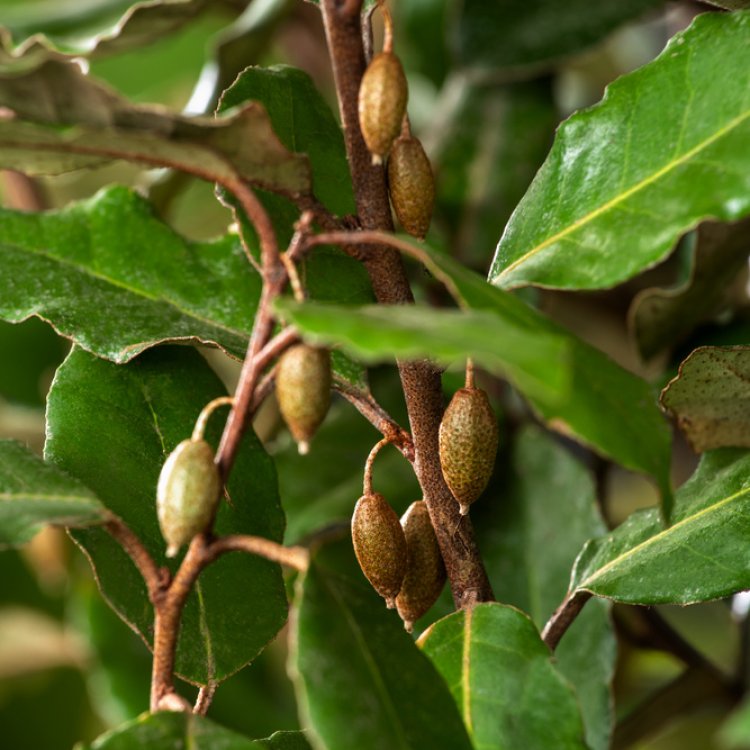
The foliage of Elaeagnus ebbingei ‘Compacta’ forms a key feature. Its oval leaves boast a glossy dark green upper surface. This contrasts beautifully with a silvery-scaly underside. This specific detail provides a subtle shimmer, especially when a breeze moves the leaves.
While the flowers are not overtly showy, the small, bell-shaped blooms emerge during autumn, typically from September to November. These creamy-white flowers are highly fragrant. They release a sweet perfume that often surprises gardeners who might otherwise miss them.
After the autumn flowering period, small, oval red berries develop. These appear in late winter and early spring. The fruits add valuable ornamental interest during a quiet time in the garden. Furthermore, they provide a much-needed food source for birds, boosting the plant’s wildlife appeal.
The autumn flowers also attract late-season pollinators, such as various bees. This offers them a vital nectar supply before the colder winter months arrive. Thus, Elaeagnus ebbingei ‘Compacta’ supports garden biodiversity.
This versatile shrub excels in many garden roles. It forms a superb evergreen hedge, providing excellent privacy and shelter. It also works well as an effective windbreak. This is especially true in exposed coastal areas, thanks to its remarkable salt tolerance. Gardeners can use it for screening unsightly views or as a standalone shrub in mixed borders.
Elaeagnus ebbingei ‘Compacta’ responds very well to pruning. Regular trimming helps maintain its dense form and desired size. This makes it a flexible component in both formal and informal designs. Prune it in spring after the last frost or in late summer.
Hardy in all of the UK and northern Europe. Suitable for exposed sites.
Water newly planted Elaeagnus ebbingei 'Compacta' regularly until established, typically for the first year. Once established, it is very drought tolerant and generally requires little supplemental watering, except during prolonged dry spells.
This shrub is not a heavy feeder. An annual application of a balanced granular fertiliser in spring can promote healthy growth, especially in poorer soils. However, it often thrives without much feeding.
Prune Elaeagnus ebbingei 'Compacta' to maintain its shape and size, or to remove any dead, damaged, or diseased branches. The best time for pruning is in spring after the risk of hard frosts has passed, or in late summer. It tolerates hard pruning well, making it suitable for hedging.
Generally very trouble-free. Keep an eye out for vine weevil in containers, though this is rare in established garden plants.
Being evergreen and hardy, it requires no special winter protection in most UK gardens.