£4.86 – £5.58Price range: £4.86 through £5.58
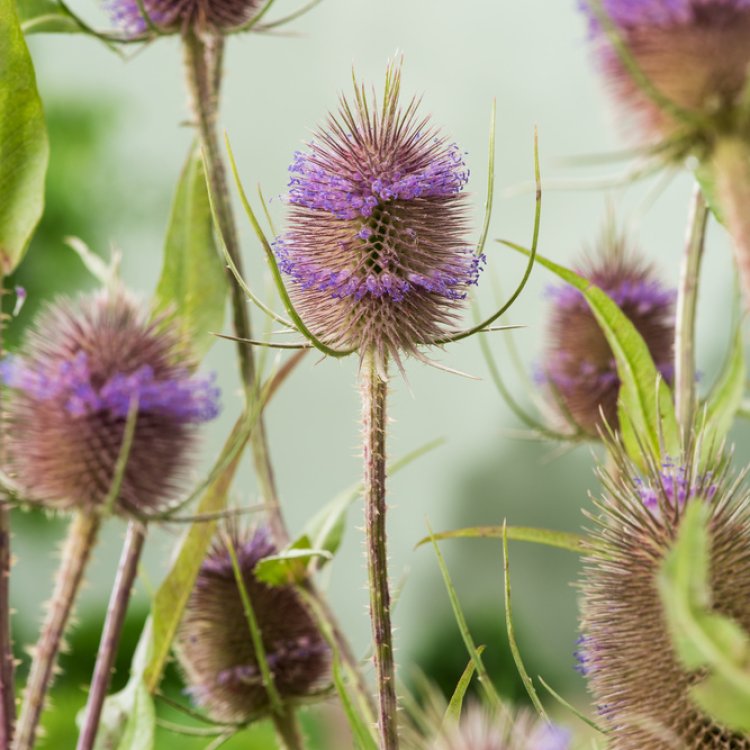
Dipsacus fullonum, or Teasel, is a striking architectural biennial. Its unique spiky flower heads and tall form offer year-round interest. Attracting bees, butterflies, and goldfinches, it adds vertical drama and vital wildlife support to any UK garden.
697 in stock
Introduce the magnificent Dipsacus fullonum, commonly known as Teasel, a striking architectural biennial that brings unique texture and form to UK gardens.
Dipsacus fullonum, or Teasel, is a truly captivating plant. Gardeners celebrate its unique spiky flower heads and stately presence. This biennial beauty quickly grows, becoming a focal point in borders or wilder garden areas. It offers interest all year, from its distinct leaves to its long-lasting seed heads. These stay attractive even into winter. Indeed, Teasel is an excellent choice for gardeners. It supports local wildlife and adds dramatic height.
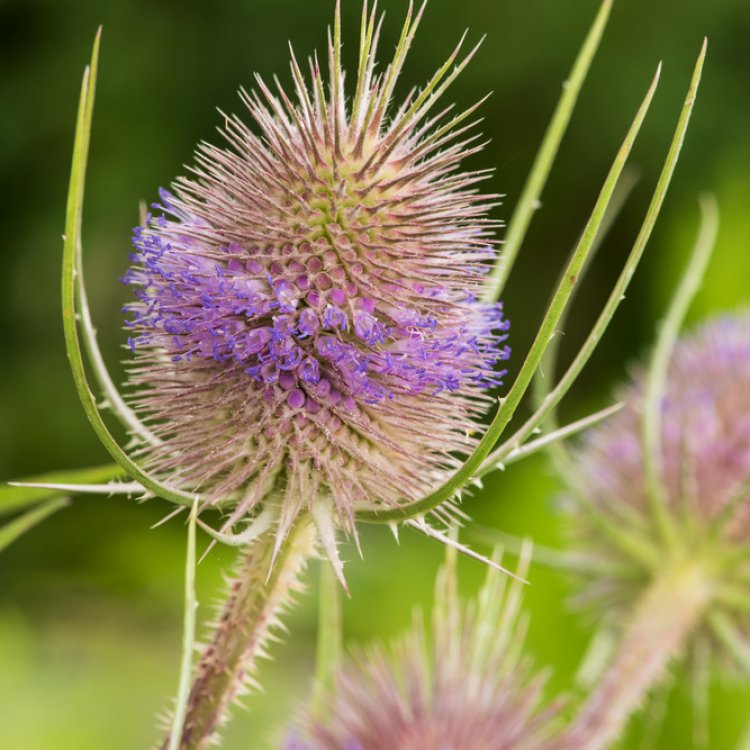
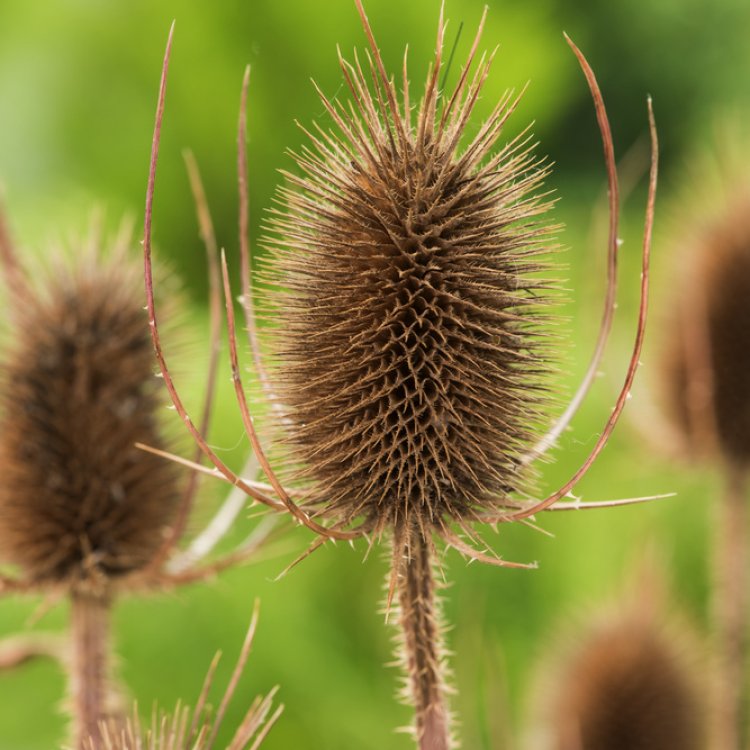
The captivating Dipsacus fullonum, widely known as Teasel, is an iconic biennial plant. It first forms a strong rosette of leaves in its first year. Then, in its second year, it sends up tall, impressive flowering stems. These stems hold distinct, egg-shaped flower heads. These heads look fascinating; first, they are green, then they turn into beautiful purple-pink blooms during summer. Finally, they become dry, brown seed heads. These seed heads last, giving structure and beauty through autumn and winter.
The genus name, Dipsacus, comes from the Greek word “dipsa,” meaning thirst. This name refers to the unusual cup-like shapes formed by the leaves where they meet the stem. These cups collect rainwater. The species name fullonum relates to “fullers.” Historically, they used the dried, bristly heads of Teasel to comb the nap of woollen cloth. This old use shows the unique texture and strength of the plant’s seed heads.
Dipsacus fullonum has rough, spiny leaves. These form a large rosette at the base. Later, they grow up the stem in pairs. The most notable leaf feature is the clear basal cup. This amazing natural design collects water. It also provides a small home for insects. Its flowers are small, pale purple to pink. They appear in bands around the spiky cones. Blooming happens from July to September. These blooms draw in many pollinators.
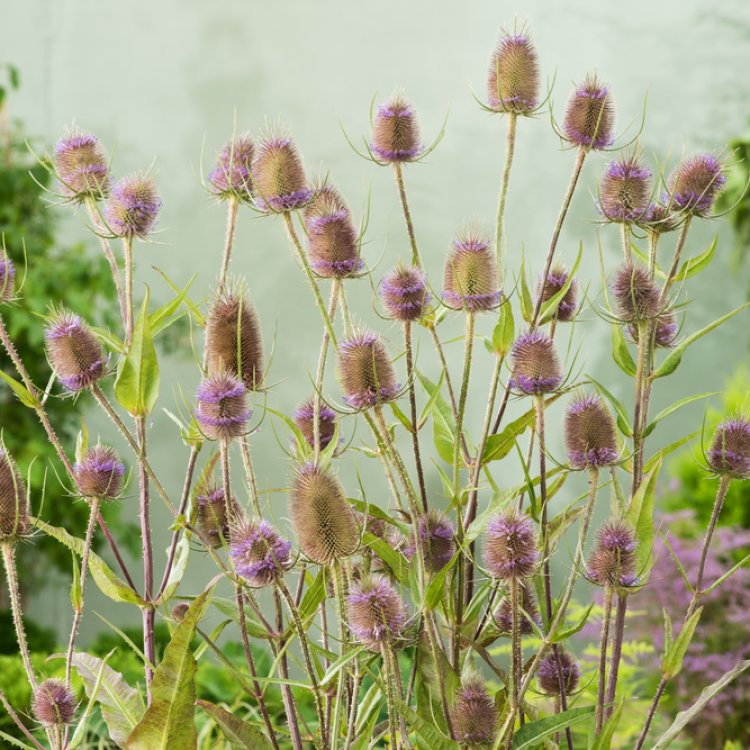
In UK gardens, Teasel works best at the back of mixed borders or in wilder meadows. Its height and bold shape make it great for adding vertical interest. It stands tall, creating a dramatic background. Gardeners often like its low-maintenance nature. You do not usually need to prune it. However, removing old flower stalks can stop too much self-seeding if you prefer. Many gardeners, though, like its self-seeding in natural areas. Most importantly, Dipsacus fullonum greatly helps wildlife. Its flowers give nectar to bees and butterflies. Also, its dry seed heads are key food for birds, especially goldfinches. This makes Teasel a vital plant for a garden full of life.
Hardy in the harshest UK conditions and below. Suitable for mountain regions.