£4.18 – £4.88Price range: £4.18 through £4.88
Dianthus ‘Dinetta Lilac’ offers exquisite, fragrant lilac-pink blooms from late spring to autumn, ideal for UK borders, containers, and rockeries. This compact perennial attracts pollinators and thrives in sunny, well-drained spots, bringing continuous charm to your garden.
1650 in stock
Dianthus ‘Dinetta Lilac’ offers exquisite lilac-pink blooms with a delightful fragrance, bringing charm and continuous colour to UK gardens from spring.
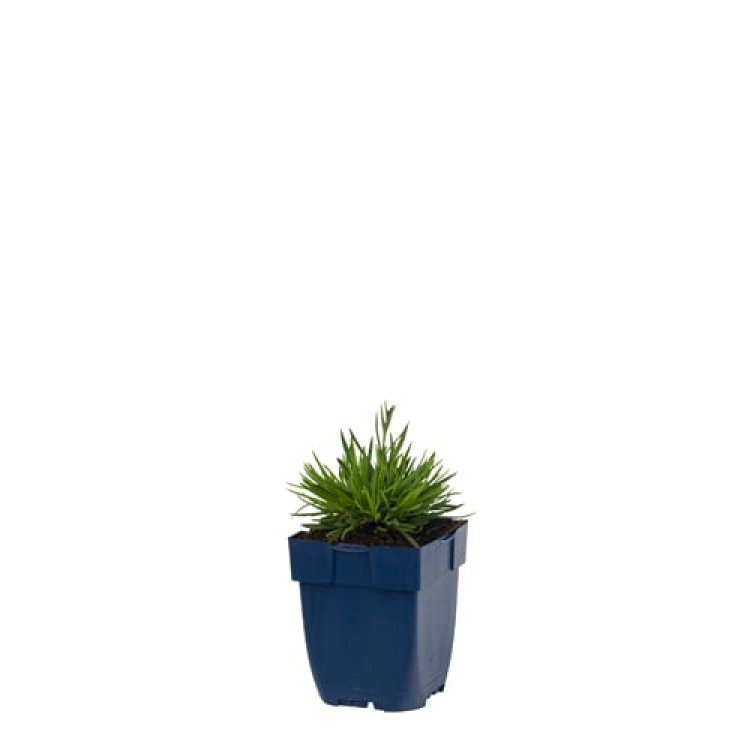
Graceful and robust, Dianthus ‘Dinetta Lilac’ is a truly captivating perennial, celebrated for its prolific flowering and distinctive beauty. This compact variety, often referred to as Pinks, creates a stunning display of vibrant lilac-pink flowers. It thrives in sunny spots, proving a delightful addition to any garden, balcony, or patio. Its charming blooms also release a sweet, spicy fragrance, enhancing your outdoor space.
Dianthus ‘Dinetta Lilac’ stands out with its gorgeous, frilly lilac-pink petals. These often feature a deeper ring towards the centre. Elegant flowers perch atop sturdy stems, creating a lovely contrast with the plant’s distinctive silver-green, grass-like foliage.
The plant’s name, Dianthus, originates from ancient Greek words. It literally means “flower of the gods” – a fitting tribute to its heavenly appearance. The specific ‘Dinetta Lilac’ cultivar highlights its unique colouration within the popular Dinetta series of Pinks.
This hardy perennial thrives in the UK climate, offering a prolonged flowering period from late spring through to early autumn. Its blooms arrive in abundance, creating a cheerful carpet of colour.
Moreover, the sweet, spicy aroma emanating from the Dianthus ‘Dinetta Lilac’ flowers is a true delight. This fragrance is especially noticeable when planted near seating areas or pathways. It also acts as a beacon for pollinating insects.
Pinks like Dianthus ‘Dinetta Lilac’ are incredibly versatile in the garden. They form neat, compact mounds, making them perfect for edging borders or pathways. You can also plant them in rock gardens, where their vibrant colours stand out beautifully against stone.
Furthermore, they excel in pots, containers, and hanging baskets, bringing their charm closer to your home. Regular deadheading helps to encourage more blooms, extending the flowering display well into autumn.
By removing spent flowers, you divert the plant’s energy into producing new blossoms rather than seeds. Happily, this lovely plant also provides a valuable food source for local wildlife, consistently attracting bees and butterflies to your garden. Its persistent foliage offers visual interest during colder months too.
Very hardy. Tolerates temperatures typical of a continental winter.
Deadhead spent flowers regularly to encourage continuous blooming. Water during dry spells, especially in containers, ensuring good drainage. Feed with a balanced liquid fertiliser during the growing season. Protect from winter wet if planted in heavy soil.