£36.59
Cyclamen coum is a hardy Eastern Cyclamen, bringing delightful winter to spring colour to UK gardens. Its marbled leaves and charming flowers create year-round appeal. Perfect for shady spots, it provides vital early nectar for bees.
5 in stock
Discover Cyclamen coum, a delightful, hardy perennial that brings vibrant splashes of colour to UK gardens from winter right through to early spring.
This charming plant offers an unexpected burst of life when most other garden residents lie dormant. Its petite, nodding flowers emerge with grace, pushing through the chill of winter. Often called Eastern Cyclamen or Winter Cyclamen, this small tuberous perennial truly brightens the colder months. Its resilience and striking appearance make it a cherished choice for naturalising under trees or enhancing shaded borders.
Cyclamen coum gets its botanical name from the Greek word ‘kuklos’, which means circle. This refers to the round shape of its corm. The specific epithet ‘coum’ tells us its origin. It is native to the island of Kos and other areas of the eastern Mediterranean. This plant has long been valued for its ability to thrive in challenging, shaded environments. It brings joy to many a gardener.
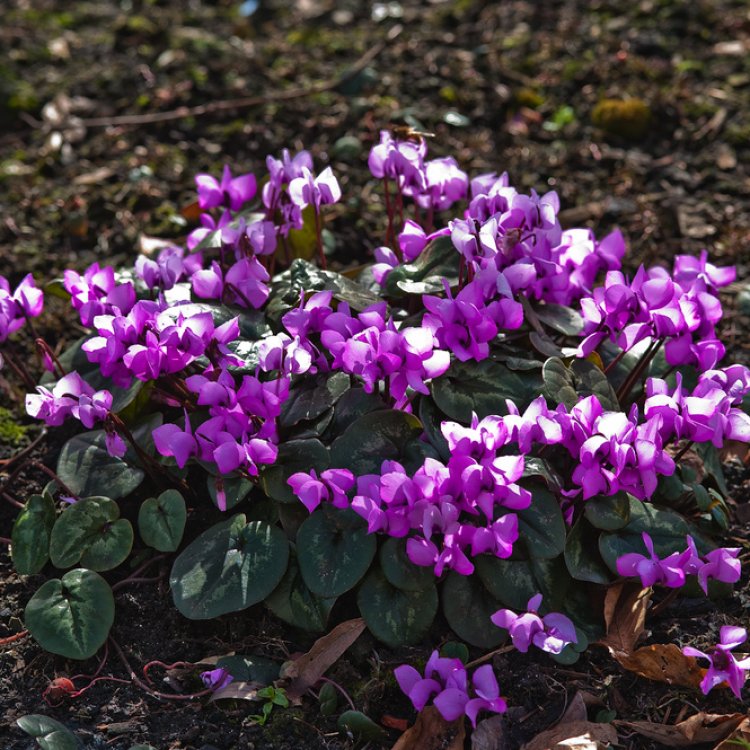
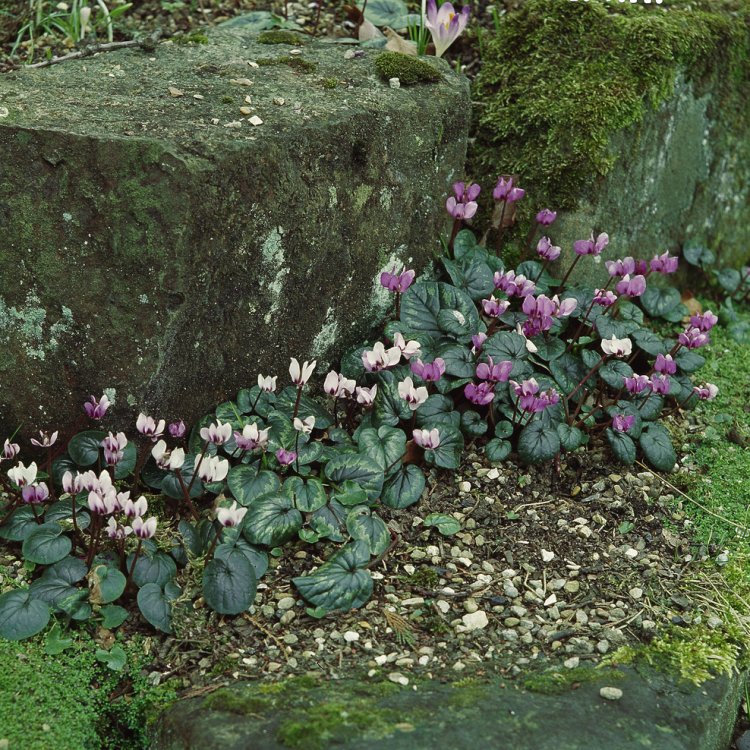
The flowering period of Cyclamen coum is a true highlight of the winter garden. From December, its pretty flowers begin to unfurl. These blooms often appear through snow. They continue until April. Each flower features five swept-back petals, resembling tiny shuttlecocks. They range in colour from pure white to soft pinks and vivid magentas. Some blooms also boast a darker blotch at their base.
Furthermore, the foliage of this Eastern Cyclamen is equally captivating. Its heart-shaped leaves often display intricate patterns of silver marbling against a deep green backdrop. This stunning variegation remains attractive throughout the cooler months. The leaves offer superb ground cover.
Cyclamen coum excels when naturalised in dappled or partial shade. It is an ideal plant for woodland settings, under deciduous trees, or along the front of a shady border. Its ability to self-seed means it will gently spread over time. This creates delightful carpets of flowers and foliage. Gardeners often use it to fill gaps in rockeries or to add texture to mixed containers. This Cyclamen does not typically require pruning. Instead, it thrives when left undisturbed. The plant’s hardy nature ensures reliable performance year after year.
Importantly, Cyclamen coum offers valuable support to local wildlife. During mild spells in winter and early spring, its nectar-rich flowers provide a crucial food source for early foraging bees. This helps support pollinators when other floral resources are scarce. Cultivating this plant contributes positively to biodiversity within your garden. Its presence creates a welcoming habitat for insects.
Hardy in all of the UK and northern Europe. Suitable for exposed sites.
Plant Cyclamen coum corms in late summer, about 5cm deep, in well-drained, humus-rich soil. Ensure a shaded or dappled position, ideally under deciduous trees. Water regularly during dry spells in autumn and winter when the plant is actively growing. Allow the soil to dry out during its summer dormancy. No deadheading is needed as the plant self-seeds readily. Fertilise lightly in autumn with a balanced feed for best results.