£4.82 – £5.53Price range: £4.82 through £5.53
Crataegus monogyna, or Hawthorn, is a British native offering beautiful white May flowers and red autumn berries. Essential for UK wildlife, it’s perfect for hedging or as a specimen tree in any garden.
100 in stock
Discover Crataegus monogyna, the quintessential British native, offering vital support for wildlife and timeless beauty with its spring blossoms and autumn berries.
Crataegus monogyna, widely known as Hawthorn, Quickthorn, or May, forms a cornerstone of the UK landscape. This robust, native species holds a special place in British gardens and countryside alike. Its resilience and striking seasonal changes make it a beloved choice for diverse planting schemes. Furthermore, it contributes significantly to local ecosystems, enriching biodiversity.
The name Crataegus monogyna comes from ancient Greek and Latin words. ‘Crataegus’ derives from ‘kratos’, meaning strength or power. This refers to its very hard wood and formidable thorny nature. ‘Monogyna’ combines ‘mono’ (one) and ‘gyne’ (female), indicating its single pistil per flower. This detail highlights a key botanical characteristic of the species.
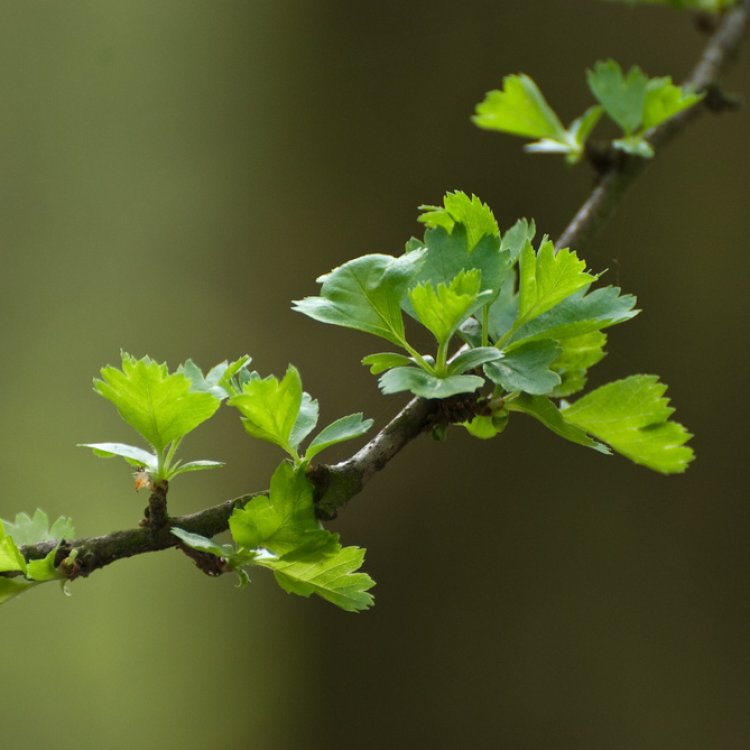
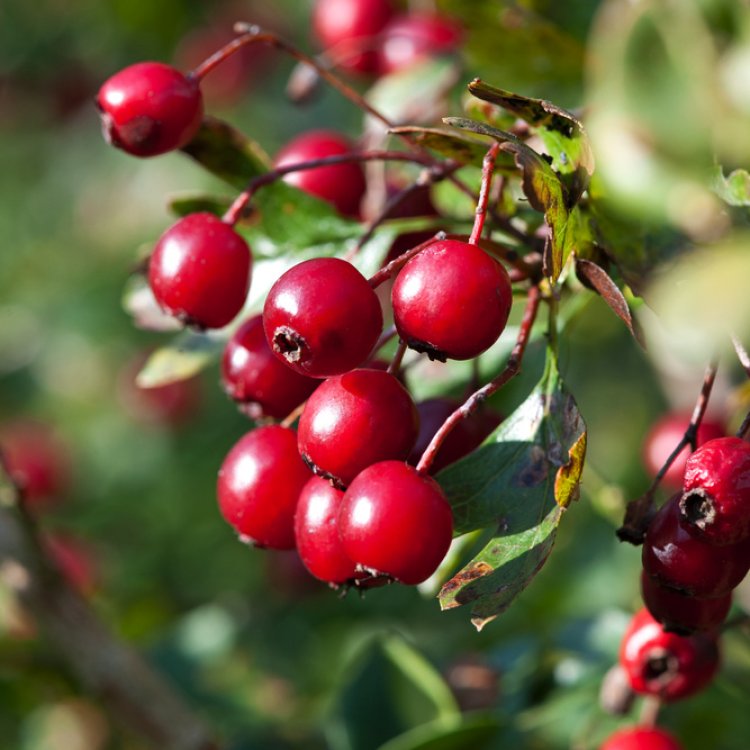
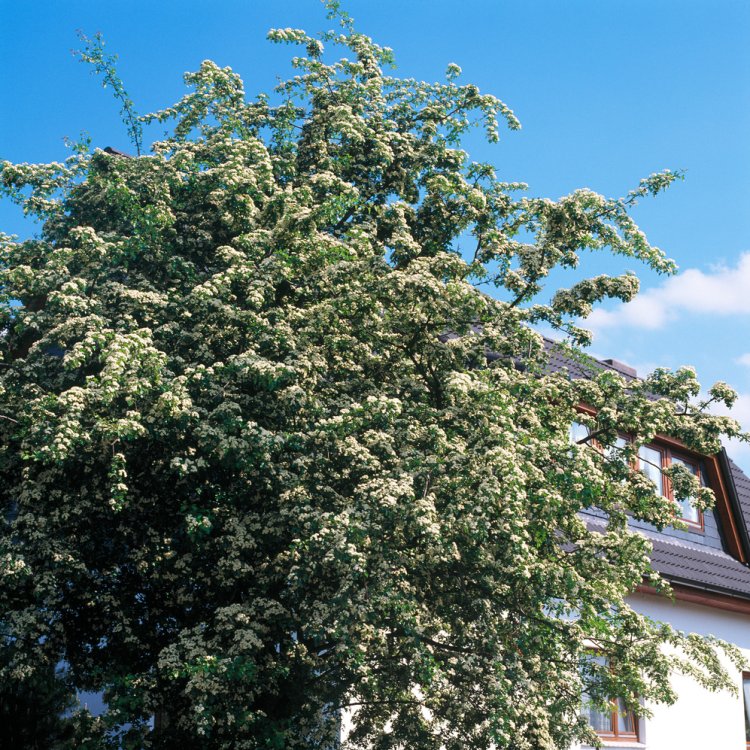
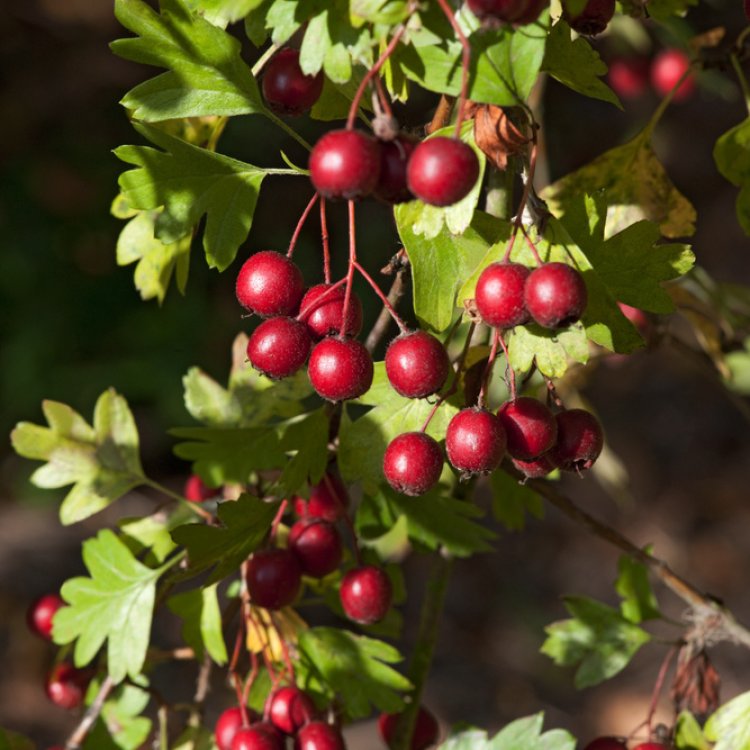
In spring, specifically during May, Crataegus monogyna bursts into a spectacular display. Small, creamy-white flowers appear in profuse clusters along its branches. These blossoms are highly fragrant and create a beautiful spectacle across the landscape. Later, its deeply lobed green leaves provide lush summer greenery. As autumn approaches, the foliage shifts into warm shades of yellow and bronze. Subsequently, an abundance of bright red haws adorns the branches. These eye-catching berries often persist well into winter, offering continued visual interest.
Crataegus monogyna proves incredibly versatile in the garden. It is an excellent choice for creating strong, impenetrable hedges. These act as both a visual boundary and a natural security feature. Moreover, you can grow it as a charming small tree, perfect for a specimen planting. It also fits well as part of a native mixed hedge. Its adaptable nature means it responds well to pruning. Therefore, you can shape it for formal hedging or allow it to grow more freely for an informal look. This tough plant also serves as an effective windbreak, protecting more tender garden areas.
This native species provides immense benefits for local wildlife. Its spring flowers are a vital early nectar source for bees and other pollinators, including many butterfly species. The plentiful haws are a crucial food source for numerous bird species. These include fieldfares and redwings, especially throughout the colder months. Dense, thorny branches offer excellent nesting sites and shelter for birds and small mammals. They protect them from predators. Planting Hawthorn truly enriches your garden’s biodiversity.
Hardy in the harshest UK conditions and below. Suitable for mountain regions.
Crataegus monogyna is a low-maintenance plant. Water thoroughly after planting, especially during its first year, to help it establish. Once mature, it is remarkably drought tolerant. For hedging, prune annually in late summer or early autumn to maintain shape and density. When grown as a tree, remove any crossing or damaged branches in winter. It typically requires little ongoing feeding. Keep the area around the base clear of weeds to reduce competition for nutrients and moisture.
This plant is deciduous so it will lose all of its leaves in the autumn and get fresh new foliage each spring.