
£2.83 – £3.55Price range: £2.83 through £3.55
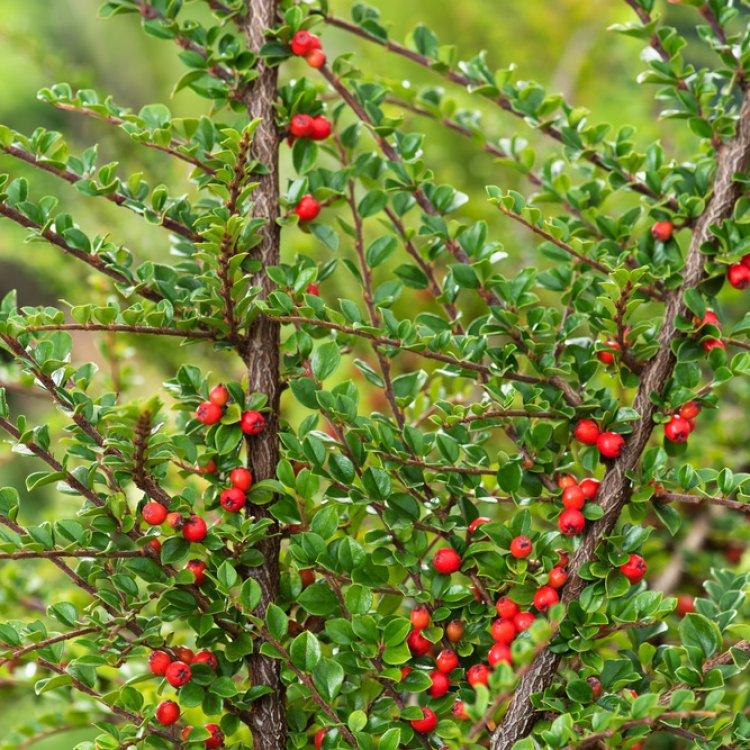
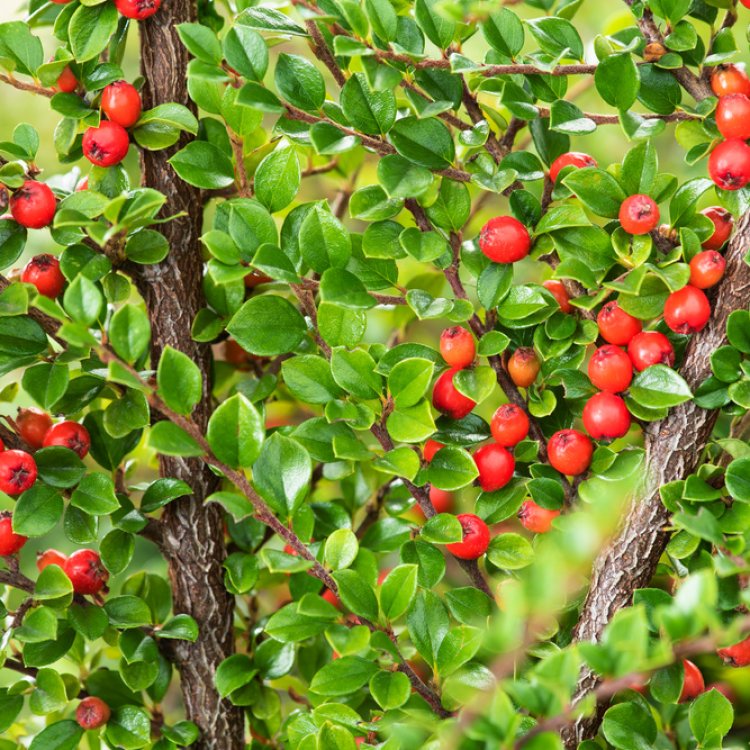
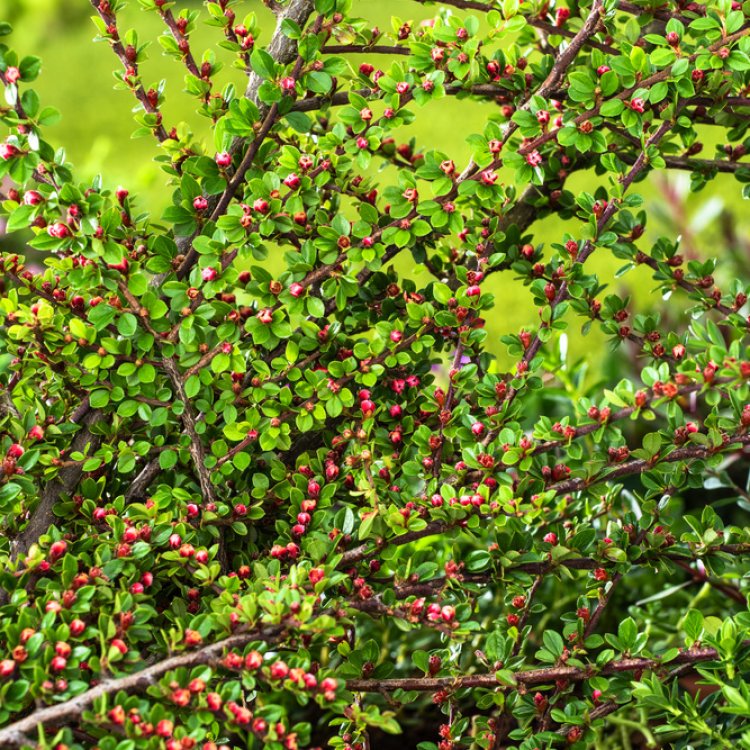
Cotoneaster horizontalis, the Wall Cotoneaster, provides year-round interest. Its unique fishbone branches showcase pinkish flowers in spring, vibrant red autumn foliage, and bright red berries attracting birds. A versatile, wildlife-friendly shrub for UK gardens.
821 in stock
Discover the charm of Cotoneaster horizontalis, a distinctive deciduous shrub transforming UK gardens with its unique fishbone branching and autumn allure.
Also known as the Wall Cotoneaster or Rockspray Cotoneaster, this versatile plant offers year-round visual interest. Originally from Western China, it thrives in various settings, particularly British gardens. Its striking horizontal branches create a beautiful architectural pattern, making it a favourite for many landscapers and home gardeners alike. As a result, it easily enhances both contemporary and traditional designs, bringing a touch of natural elegance.
The name Cotoneaster horizontalis provides clues to its character. ‘Cotoneaster’ combines the Latin ‘cotoneum’, meaning quince, and ‘aster’, suggesting similarity. ‘Horizontalis’ clearly describes its distinctive flat, spreading growth habit. This deciduous shrub truly captivates with its layered, fishbone-like branches. These branches spread gracefully, forming a beautiful structure even in winter.
Each season brings a new display from Cotoneaster horizontalis. In spring, tiny pinkish-white flowers emerge. These subtle blooms attract bees, making your garden a vibrant hub. After this, small, dark green leaves develop throughout summer. However, the autumn transformation is spectacular. The foliage shifts to brilliant shades of fiery red and orange, creating a stunning impact. Later, a profusion of bright red berries appears. These cling to the branches, providing essential food for birds into winter. This plant thus offers continuous beauty and ecological benefits.
Cotoneaster horizontalis proves incredibly adaptable for various garden uses. Many gardeners utilise its unique form to cascade over retaining walls or rockeries. Its spreading nature also makes it an excellent choice for ground cover, particularly on slopes where it helps with erosion control. Furthermore, people often train this Wall Cotoneaster against a wall or fence, creating an attractive espalier effect. It can also form a low, informal hedge or border edge.
Regular pruning is not generally essential for this plant. However, you can lightly prune it in late winter or early spring. This helps maintain its shape or restricts its size if necessary. This easygoing nature adds to its appeal, making it a wonderful addition to almost any UK garden.
Very hardy. Tolerates temperatures typical of a continental winter.
Water regularly until established, especially during dry periods in its first year. Cotoneaster horizontalis generally requires minimal pruning; however, you can trim it in late winter or early spring to maintain its shape, restrict its size, or remove any dead or damaged branches. A light annual feed in spring with a general-purpose fertiliser will encourage healthy growth and berry production. This plant is hardy and resilient, tolerating most conditions once settled.
This plant is deciduous so it will lose all of its leaves in the autumn and get fresh new foliage each spring.