£4.68 – £7.04Price range: £4.68 through £7.04
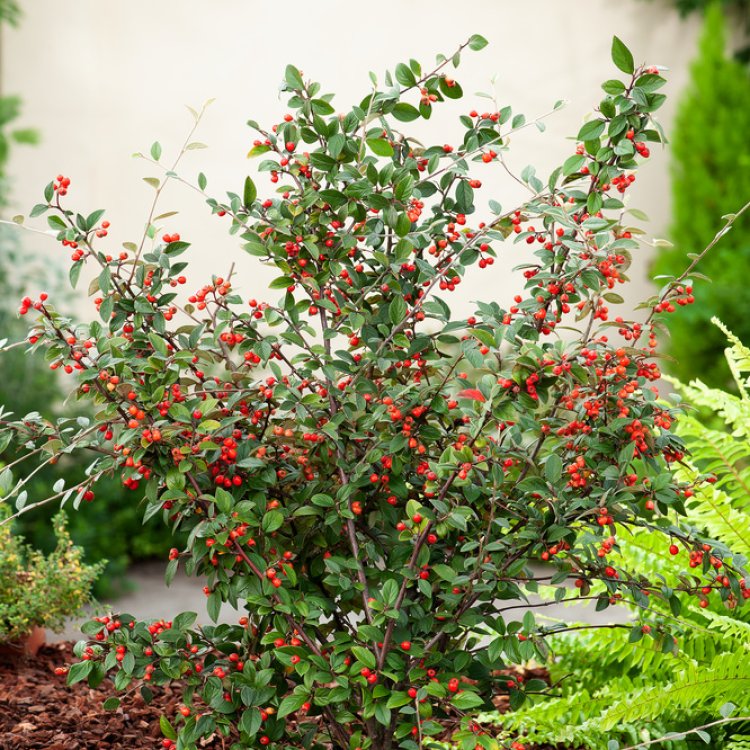
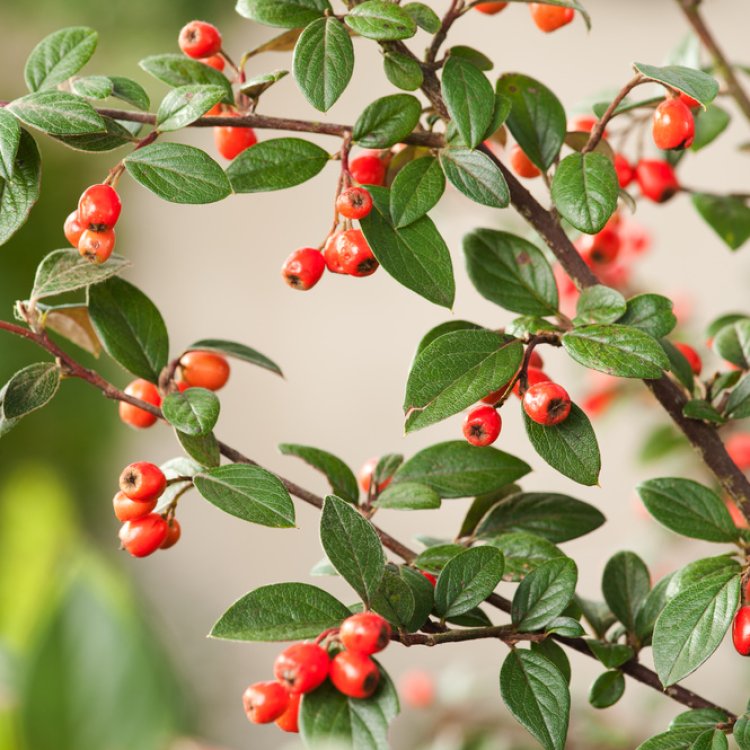
Cotoneaster franchetii is a resilient semi-evergreen shrub, providing year-round charm to UK gardens. It showcases delicate white-pink flowers, vibrant orange-red berries, and attractive foliage. This plant actively supports local wildlife, attracting bees and birds.
800 in stock
Discover Cotoneaster franchetii, an elegant semi-evergreen shrub that brings year-round interest to British gardens with its beautiful foliage, delicate flowers, and vibrant berries.
Cotoneaster franchetii, often known as Franchet’s Cotoneaster, is a superb choice for garden enthusiasts seeking enduring appeal. This versatile plant offers a charming display through every season in the UK. Its graceful, arching branches and attractive leaves provide excellent garden structure. Furthermore, it produces pretty blooms in spring and eye-catching autumn fruits. Gardeners often choose this robust plant for its hardiness and delightful visual appeal. It also significantly supports local wildlife.
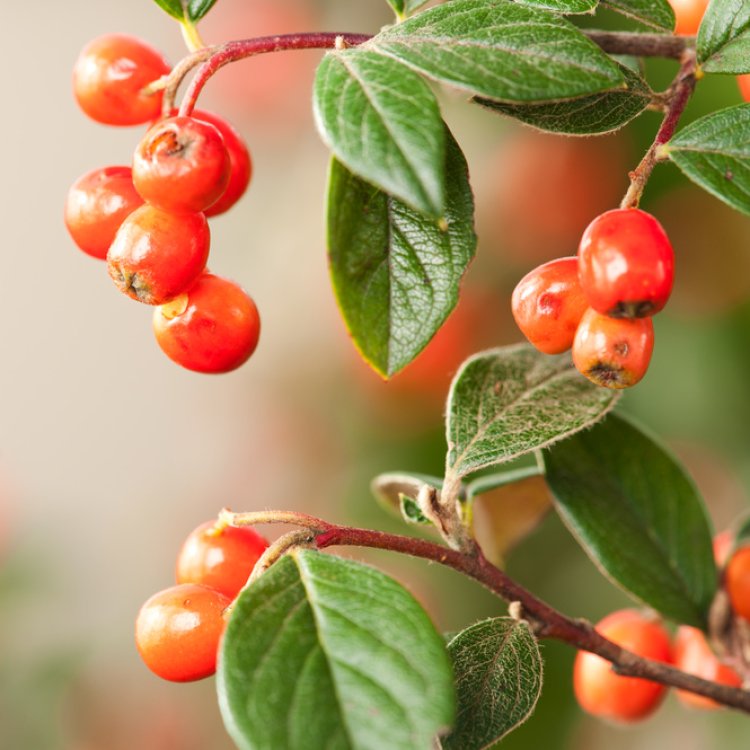
The name Cotoneaster derives from Latin, combining ‘cotoneum’, meaning quince, and ‘-aster’, indicating resemblance. This refers to the leaves of certain species. The specific epithet ‘franchetii’ honours Adrien Franchet, a notable French botanist. Cotoneaster franchetii typically grows as a medium to large shrub. Its distinct grey-green leaves feature a soft, felted underside, providing a unique texture. In autumn and winter, cooler temperatures often encourage these leaves to adopt beautiful reddish-purple hues, enhancing its seasonal charm.
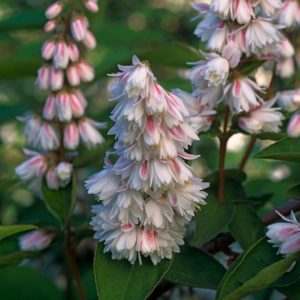
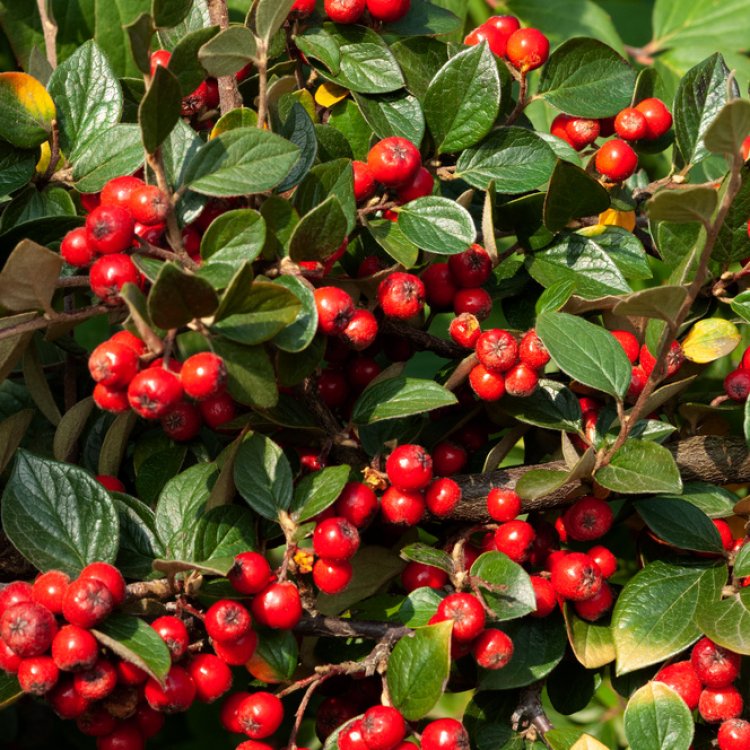
In May and June, Cotoneaster franchetii bursts into life with delicate clusters of small, white flowers. These blooms are often subtly tinged with pink. Subsequently, they provide a vital food source for pollinators; consequently, bees eagerly visit them. As summer transitions into autumn, these flowers give way to a spectacular display of bright orange-red berries. These abundant fruits persist throughout winter, offering continuous visual interest. Moreover, the berries serve as a crucial food source for various bird species, which helps to sustain local wildlife during colder periods.
Cotoneaster franchetii is incredibly versatile in its garden applications. For instance, you can use it to form an attractive, informal hedge or screen, offering privacy and shelter. Its dense, arching habit also makes it an excellent choice for planting on banks and slopes, helping to stabilise the soil. Alternatively, allow it to grow as a magnificent specimen shrub, showcasing its natural form. Furthermore, it tolerates pruning well; gardeners can prune it to maintain a desired size or shape. If you need to prune, the best time is typically after flowering or during late winter for general tidy-ups.
Beyond its aesthetic appeal, Cotoneaster franchetii provides significant ecological benefits. Its spring flowers are a magnet for bees and other beneficial insects, supporting local biodiversity. As autumn arrives, the plant’s profusion of berries becomes a lifeline for birds. This makes Franchet’s Cotoneaster an invaluable addition to any wildlife-friendly garden. This hardy shrub truly embodies beauty with purpose, flourishing across diverse UK garden settings.
Very hardy. Tolerates temperatures typical of a continental winter.
Water Cotoneaster franchetii regularly until it establishes itself, after which it becomes relatively drought tolerant. Feeding is generally not necessary, but apply a balanced fertiliser in spring if growth appears weak. Prune minimally to maintain shape or remove dead/damaged wood in late winter or early spring. For significant shaping or size reduction, prune after the plant has finished flowering. Keep the area around the base free of weeds to reduce competition. This plant is generally robust but watch for common pests like aphids or scale insects and diseases such as fireblight.